The story
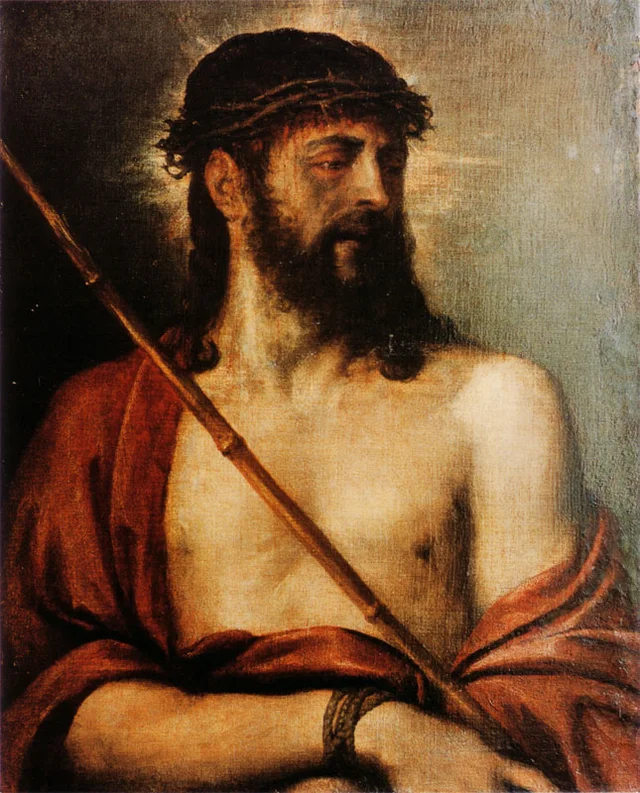
On the night of 26 May 1968, thieves who had hidden in the Brukenthal Palace during visiting hours took eight paintings from its first-floor galleries. One was Titian's Ecce Homo, Christ crowned with thorns and shown to the crowd. It resurfaced only in the 1990s, when a Romanian émigré who had bought four of the stolen pictures in Vienna had one examined by experts. In 1998 all four came home. The other four have never been found.
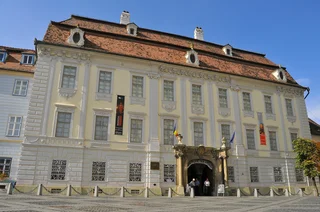
The palace stands on the Grand Square of Sibiu, the old Saxon town of Hermannstadt in Transylvania. Samuel von Brukenthal, governor of Transylvania under the Habsburg empress Maria Theresa, built it in the late 18th century and filled it with paintings, books and minerals. His collections passed to the town's Lutheran school and opened to the public in 1817, which makes this the oldest museum in what is now Romania.
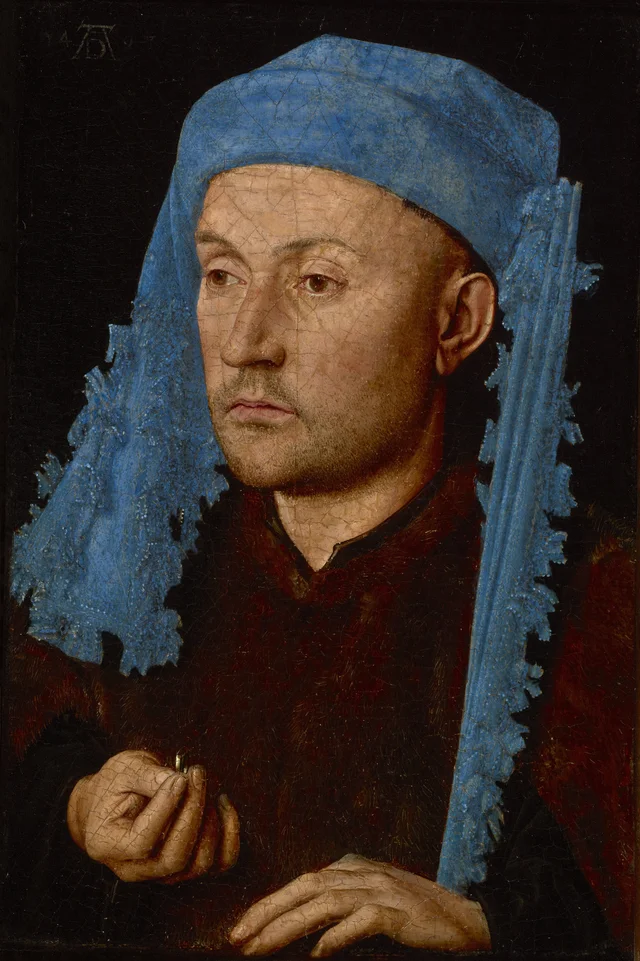
The collection had been divided once before the theft. In 1948 the communist authorities sent 19 of its finest paintings to the national art museum in Bucharest, and they came back to Sibiu only in 2006, the year before the city became a European Capital of Culture. Among them was the small Portrait of a Man with a Blue Chaperon by Jan van Eyck, painted around 1430. It hangs in the palace again, a sitter in a heavy blue headdress holding a ring between his fingers.