The story
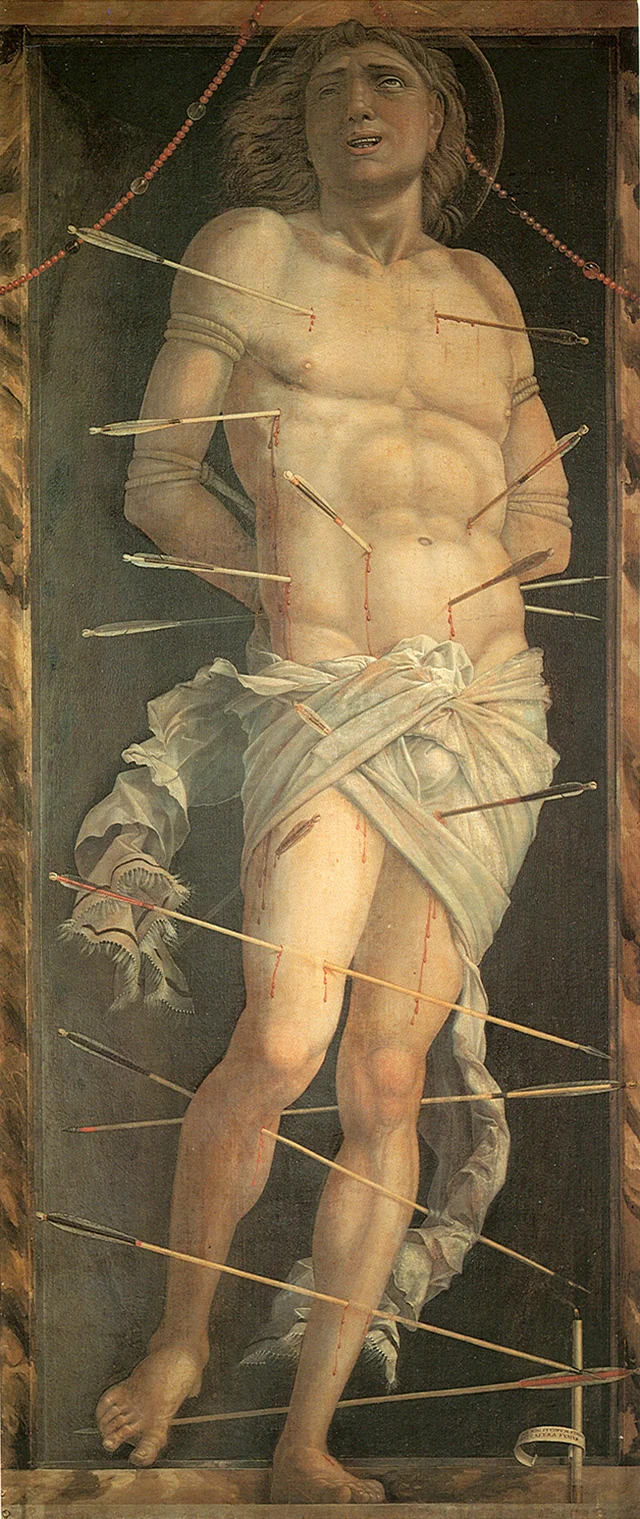
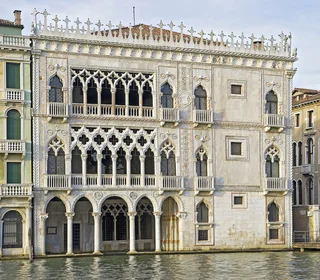
Behind the lace-like Gothic front on the Grand Canal, the most famous object in the Ca' d'Oro stands in a small marble chapel built just for it. Andrea Mantegna, the Renaissance master of Padua and Mantua, painted this Saint Sebastian late in life, the saint pierced by arrows in a narrow niche. Beside him a candle has gone out, and a scroll carries a Latin motto saying that nothing is stable except the divine, and the rest is smoke.
The chapel was made by Baron Giorgio Franchetti, a Turin-born collector who bought the painting in 1893 and the palace a year later. By then the house had been badly treated. It was built in the 1420s and 1430s for the patrician Marino Contarini, with stonework by the Bon family of sculptors and Matteo Raverti from Milan, and parts of the facade were once picked out in gold, which gave the "golden house" its name. In the 19th century the ballerina Marie Taglioni owned it and sold off original features, among them the carved well-head. Franchetti tracked down what he could, laid the marble mosaic floor of the ground-floor hall himself, and gave the building to the Italian state in 1916.
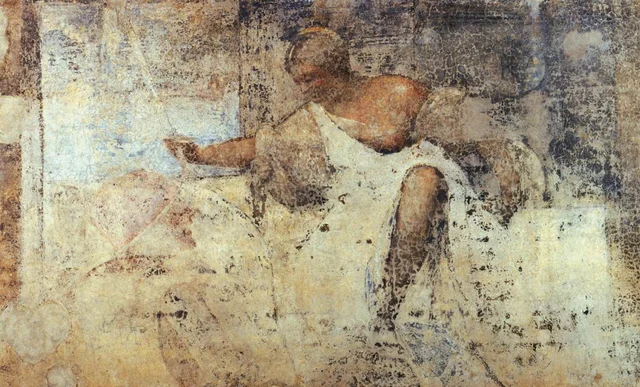
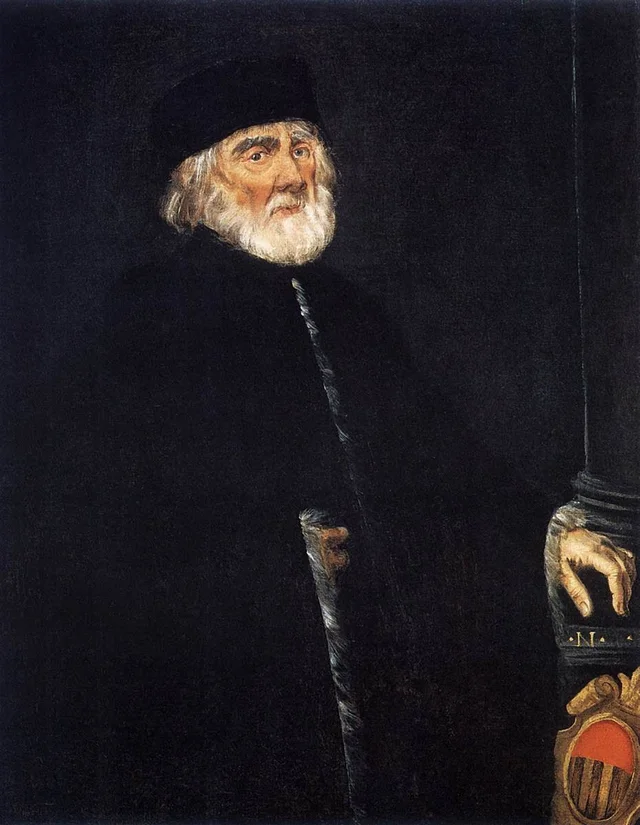
Upstairs the collection mixes Venetian painting and sculpture. Among the portraits is Jacopo Tintoretto's likeness of Nicolò Priuli, a procurator of Saint Mark's, and there are faded fresco fragments by Giorgione and the young Titian, taken from the Fondaco dei Tedeschi, the German merchants' warehouse by the Rialto. The gallery opened in 1927, five years after the baron's death, and his ashes rest under a porphyry monument in the entrance portico.