The story
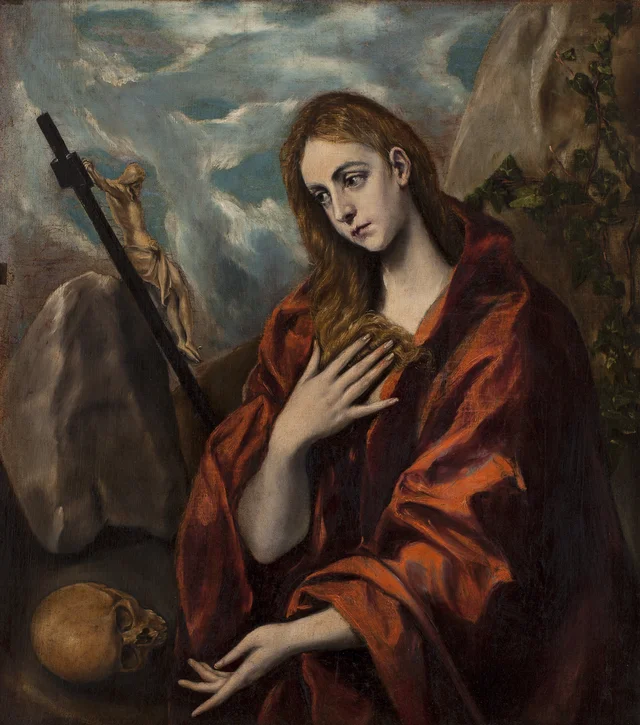
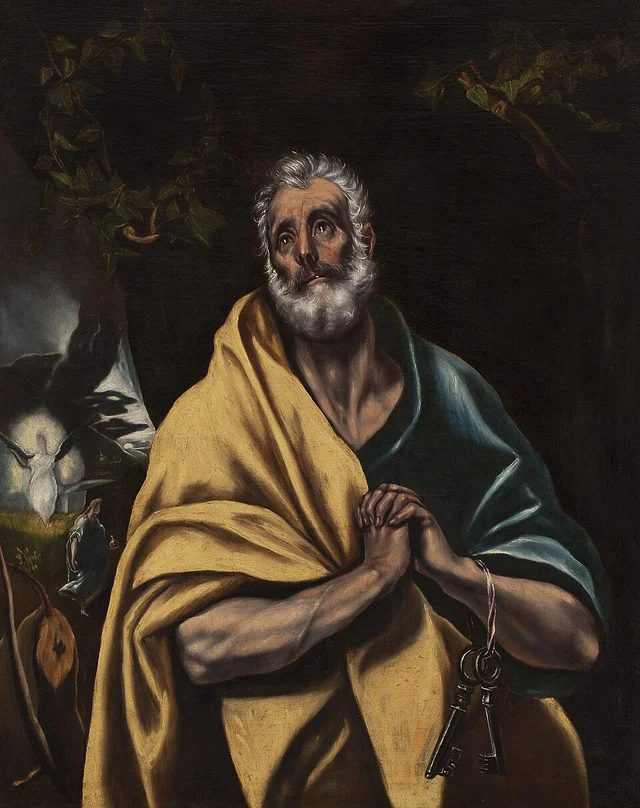
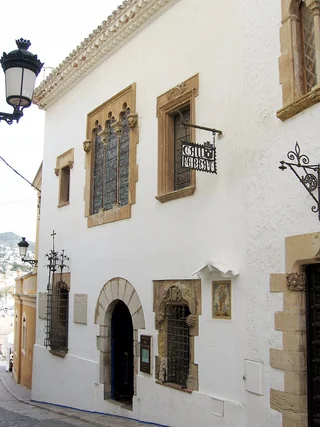
On 4 November 1894, a procession wound through the streets of Sitges carrying two paintings by El Greco, the Cretan-born painter of Toledo. Santiago Rusiñol, the Catalan painter and writer, had bought them in Paris. El Greco was still largely out of fashion, and Rusiñol and his modernista friends turned the arrival into a town festival. The parade ended at his new studio-house on the seafront, the Cau Ferrat, which opened that day.
Rusiñol had bought a fisherman's cottage here in 1893 and then the house next door, and the architect Francesc Rogent joined them, setting Gothic windows salvaged from Sitges's old castle into the facade. The name, roughly "the iron den", came from the Barcelona studio Rusiñol had shared with the sculptor Enric Clarasó, and it suits the place. Rusiñol was a passionate collector of wrought iron, and his forged-iron pieces still fill the rooms among the pictures.
The two El Grecos are still here, a Penitent Magdalene and The Tears of Saint Peter, alongside work by Rusiñol himself and by his friends, the painters Ramon Casas and Isidre Nonell and the young Pablo Picasso. Rusiñol died in 1931 and left the house to the town on condition that it become a public museum, and it opened as one in April 1933.