The story
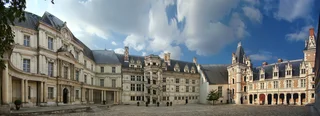
Stand in the courtyard at Blois and you can turn through three centuries of French building without moving. On one side is the red brick and pale stone wing of Louis XII, king from 1498. Beside it rises the wing of his successor François I, with an open spiral staircase carved with the king's salamander. Facing you is the sober classical front that the architect François Mansart began in the 1630s for Gaston d'Orléans, brother of Louis XIII.
The château's best-known episode came early on 23 December 1588, when King Henri III had his rival, the Duke of Guise, killed in the royal apartments on the second floor. Nearby is the study of Catherine de' Medici, the king's mother, lined with 237 carved wooden panels, four of which hide small cupboards. Legend made them poison cabinets. They more likely held small treasures and curiosities.
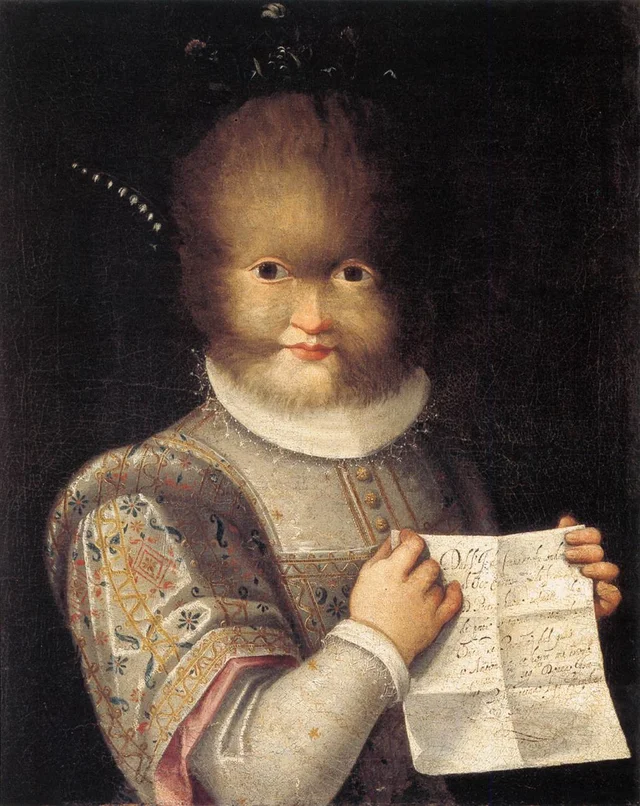
The Louis XII wing also houses the town's fine arts museum, with paintings, sculpture and tapestries from the 16th to the 19th centuries. Its best-known picture is a small portrait by Lavinia Fontana, the Bolognese painter, of Antonietta Gonsalvus, a girl whose face was covered in hair from a rare condition. Her father Petrus had come to the French court from Tenerife, and the family was treated as a marvel at courts across Europe. Until 1990 the portrait was credited to a follower of Veronese. In it the girl holds a letter that tells her own story.