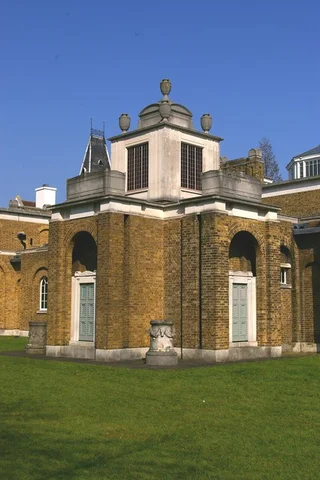
The story
Dulwich, in south London, was the first purpose-built public art gallery in England, opened in 1817. Its collection began as a royal commission that collapsed: two London dealers, Noël Desenfans and Francis Bourgeois, were assembling a national gallery for the King of Poland when Poland was partitioned out of existence in the 1790s and the king lost his throne, leaving them holding the pictures.
They left the collection to Dulwich College and hired Sir John Soane, the architect of the Bank of England, to build a home for it. Soane invented something here, top-lit galleries where daylight falls from above onto the paintings, a design copied by museums ever since. At its centre he set a small mausoleum holding the founders' coffins, lit through amber glass.
One resident is famous for going missing. Rembrandt's small portrait of Jacob de Gheyn has been stolen four times and recovered every time, earning it the nickname the takeaway Rembrandt.
Collection
16 works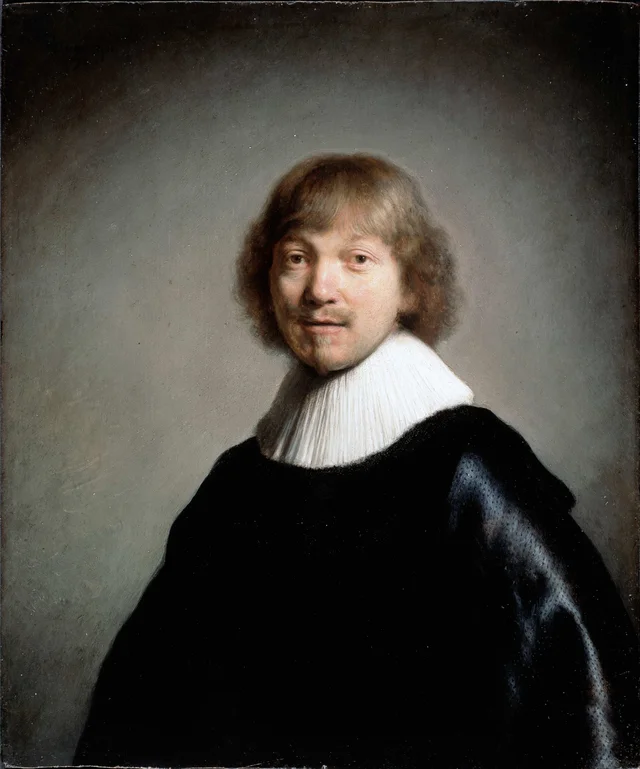 Portrait of Jacob de Gheyn IIIRembrandt, 1632
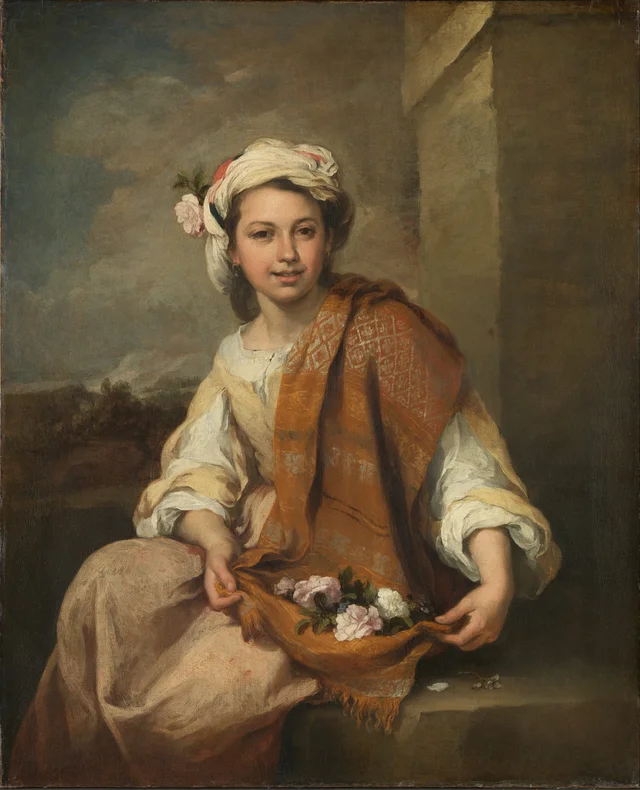 The Flower GirlBartolomé Esteban Murillo, 1665
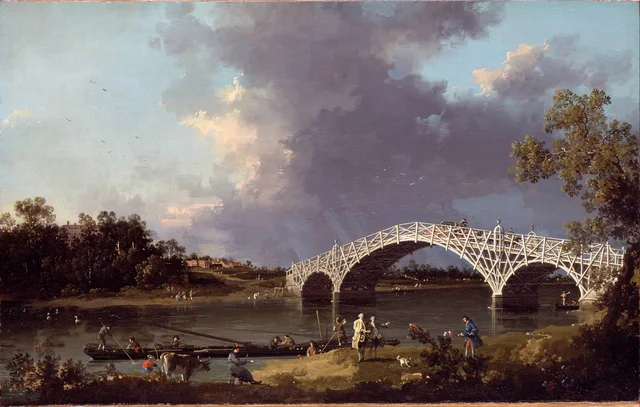 A View of Walton BridgeCanaletto, 1754
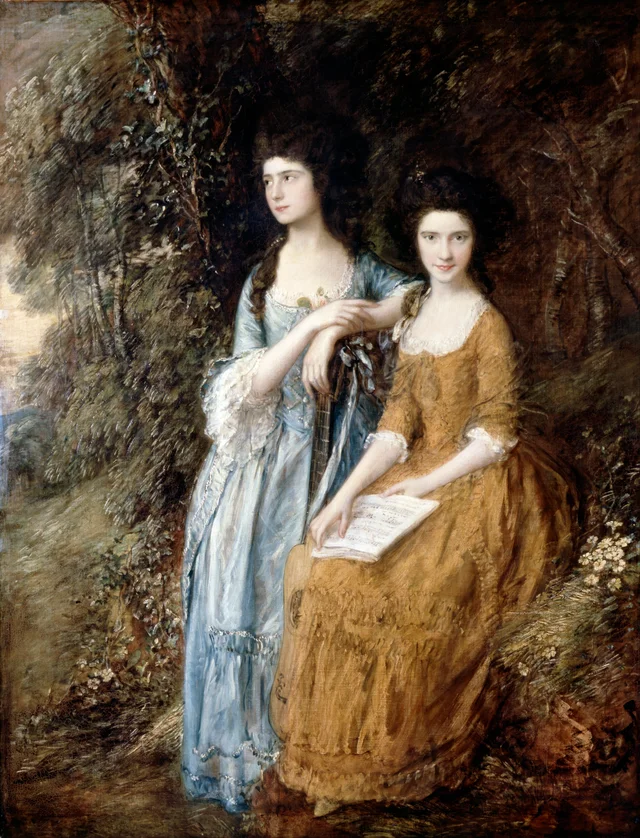 Elizabeth and Mary LinleyThomas Gainsborough, 1772
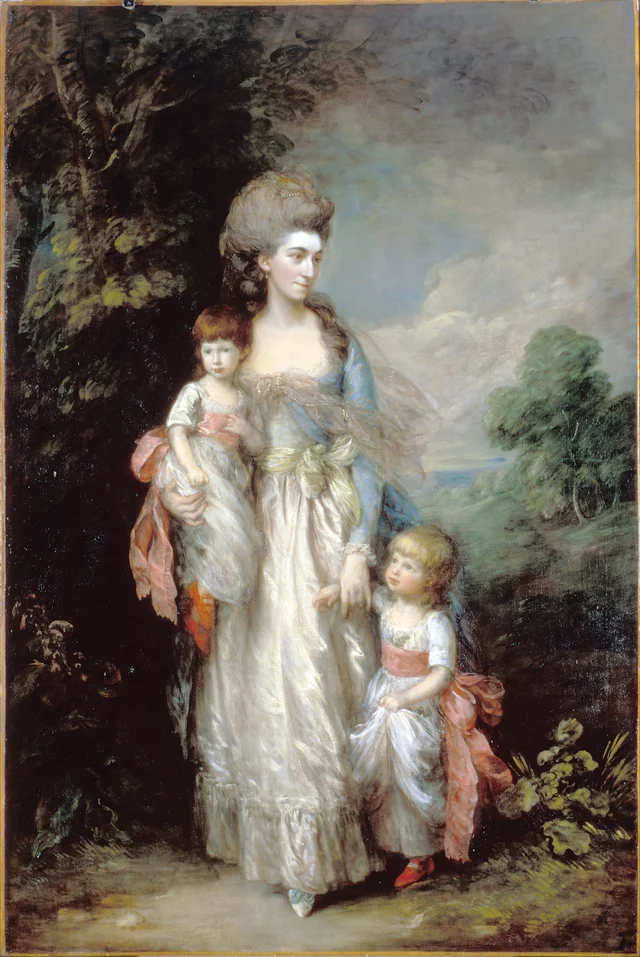 Mrs Elizabeth Moody with her sons Samuel and ThomasThomas Gainsborough, 1779
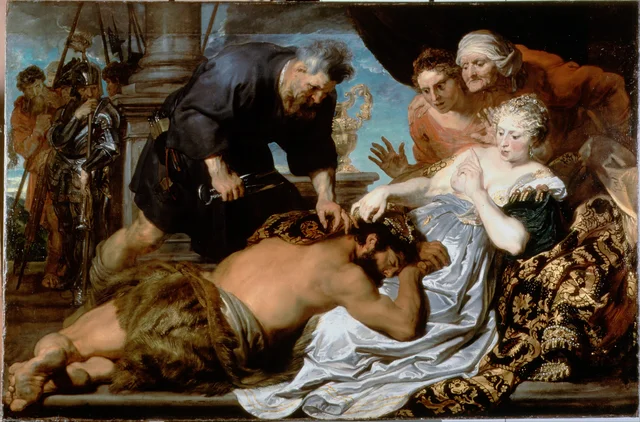 Samson and DelilahAnthony van Dyck, 1620
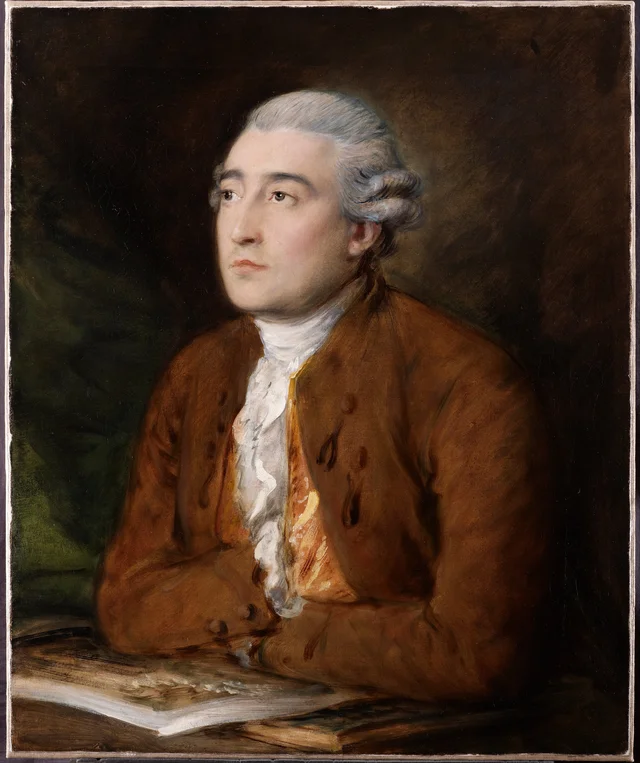 Philippe Jacques de LoutherbourgThomas Gainsborough, 1777
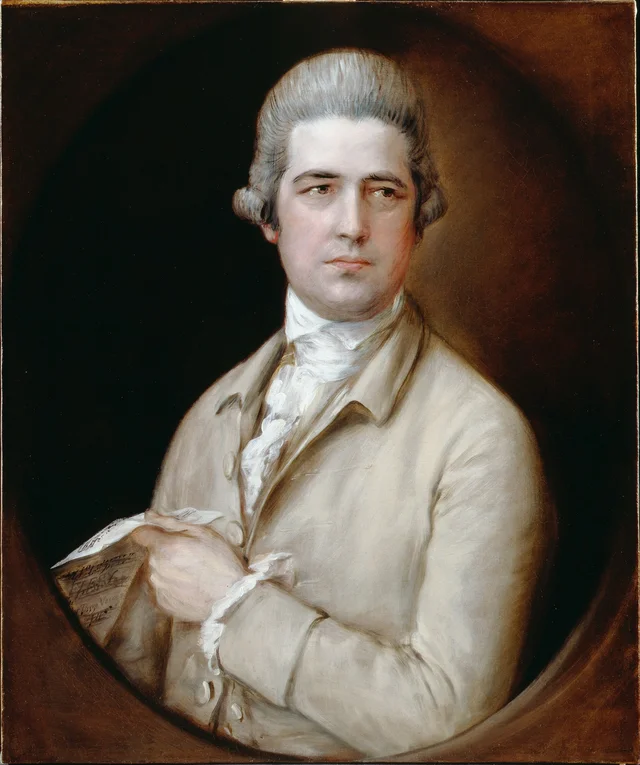 Thomas Linley the ElderThomas Gainsborough, 1760
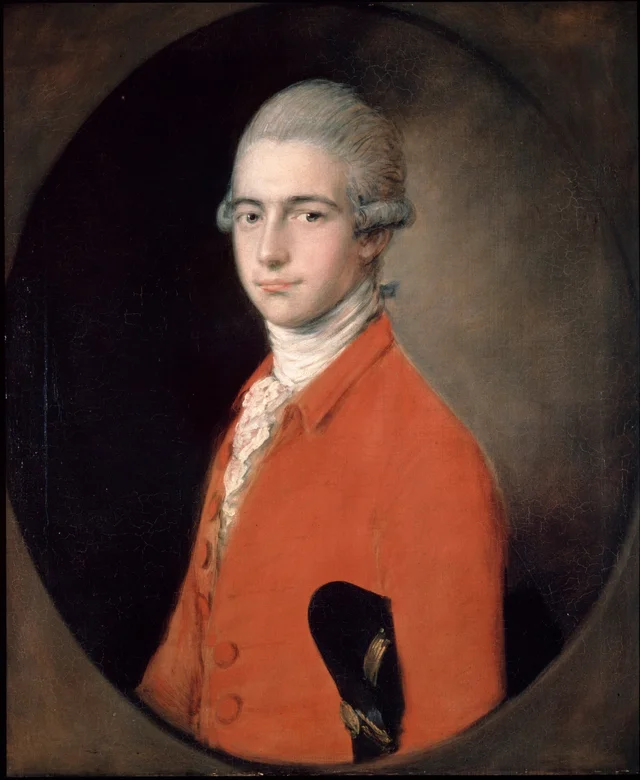 Thomas Linley the youngerThomas Gainsborough, 1772
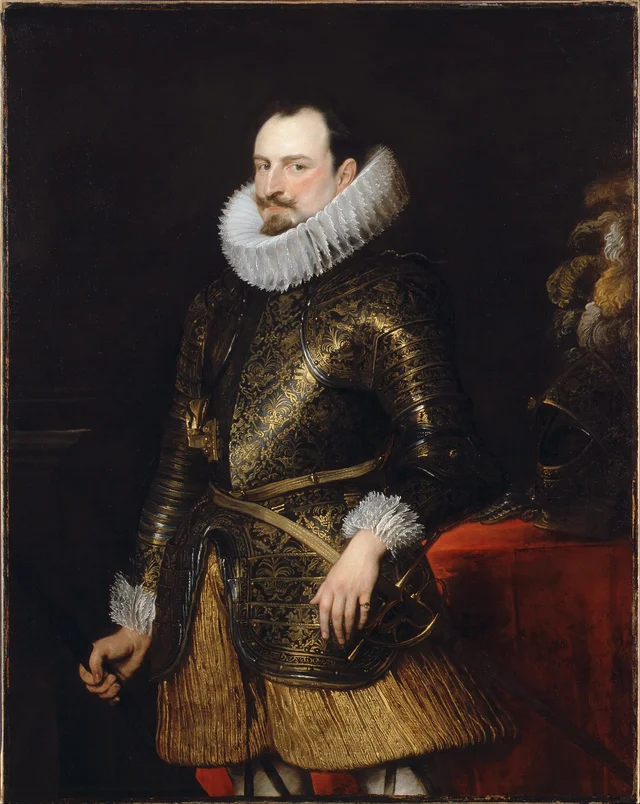 Emmanuel Philibert of Savoy, Prince of OnegliaAnthony van Dyck, 1624
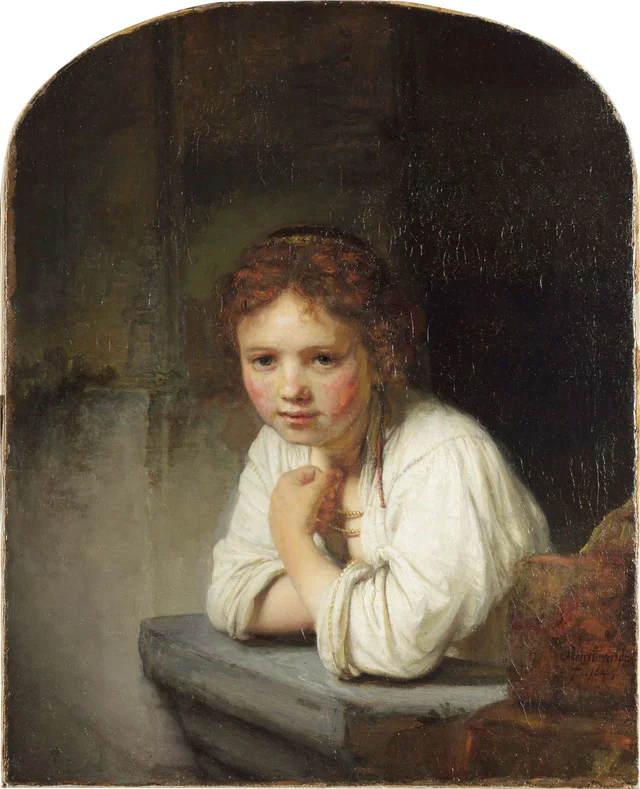 Girl at a WindowRembrandt, 1645
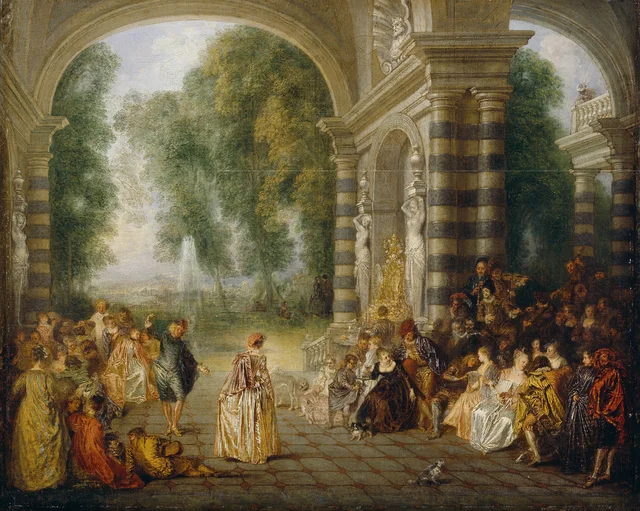 Les Plaisirs du BalJean-Antoine Watteau, 1717
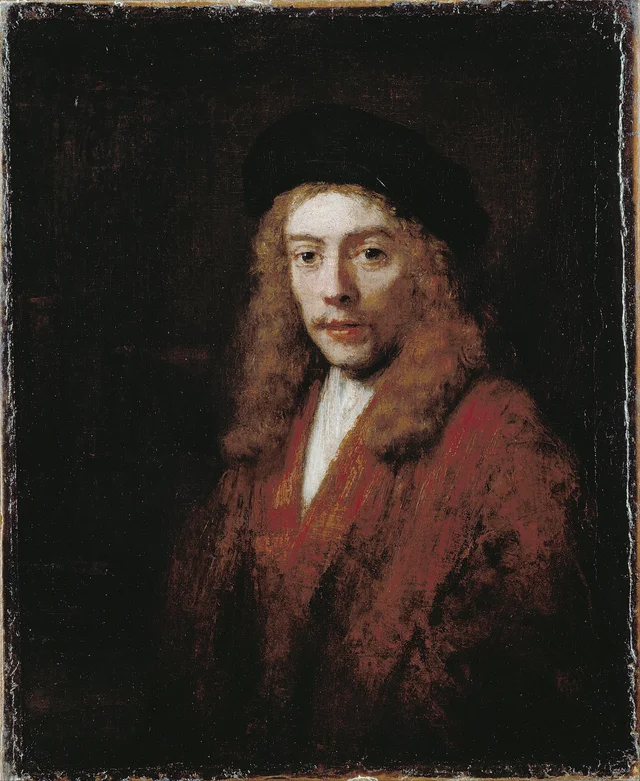 Portrait of a Young Man, possibly TitusRembrandt, 1663
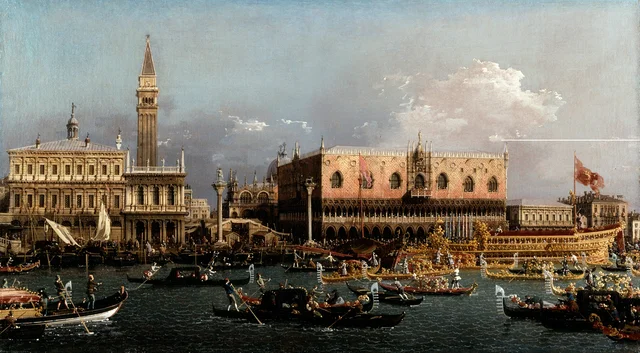 Bucintoro at the Molo on Ascension DayCanaletto, 1760
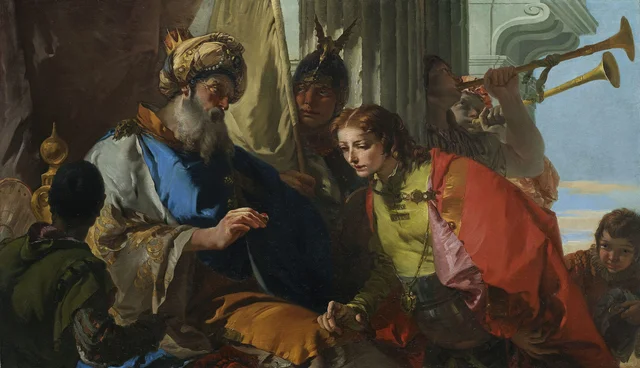 Joseph receiving Pharaoh's RingGiovanni Battista Tiepolo, 1733
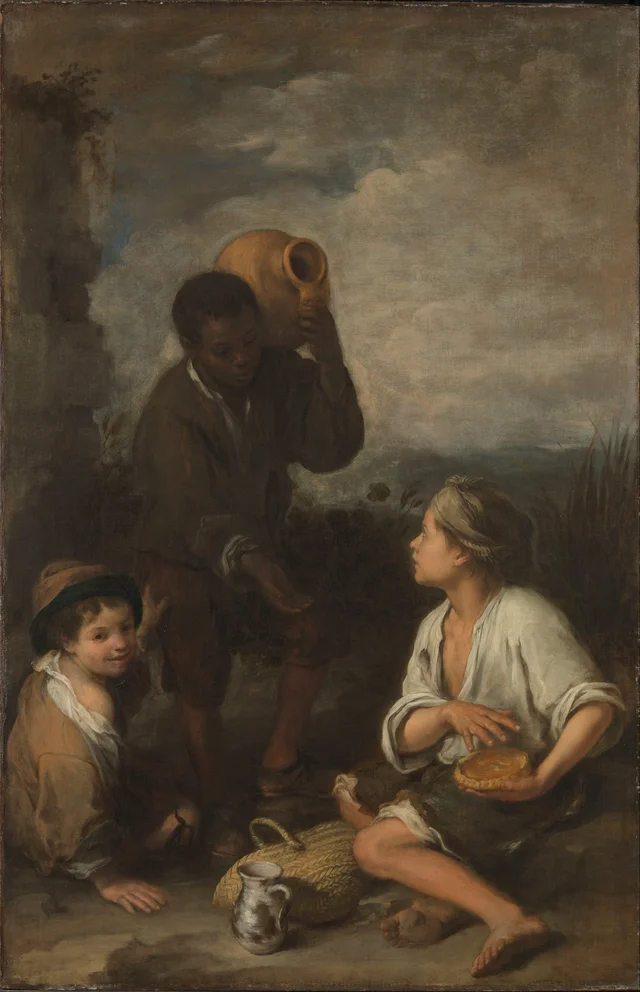 Three BoysBartolomé Esteban Murillo, 1670