The story
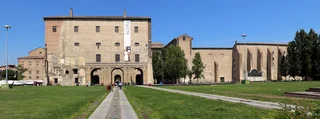
Parma's national gallery is folded into the Palazzo della Pilotta, the huge brick pile the Farnese dukes threw up to hold the machinery of their court. You reach the paintings by walking through the palace's greatest surprise, the Teatro Farnese, a vast wooden theatre built in 1618 that seats thousands and was almost never used, rebuilt after wartime bombing flattened it.
The collection belongs to Parma. Its two home-grown geniuses dominate: Correggio, whose soft figures seem lit from within, and Parmigianino, whose elegant, elongated saints defined a whole Mannerist taste. The single most famous sheet, though, is a small unfinished head by Leonardo da Vinci, 'La Scapigliata', a young woman with tousled hair emerging from bare brown ground.
Because the gallery shares the Pilotta with an archaeology museum, a great library and a printing museum, one ticket in Parma walks you from a Baroque theatre through Leonardo and Correggio and out among Roman bronzes.
Collection
16 works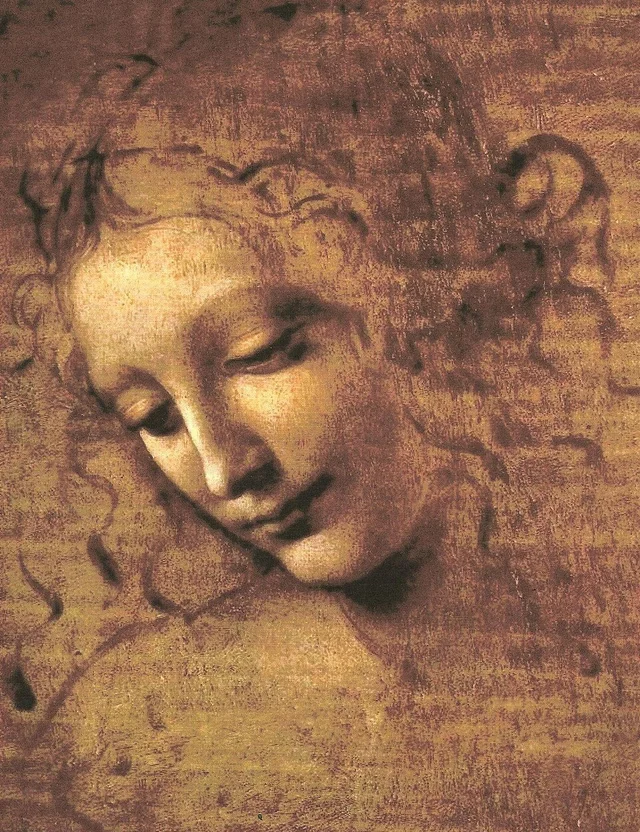 Head of a WomanLeonardo da Vinci, 1500
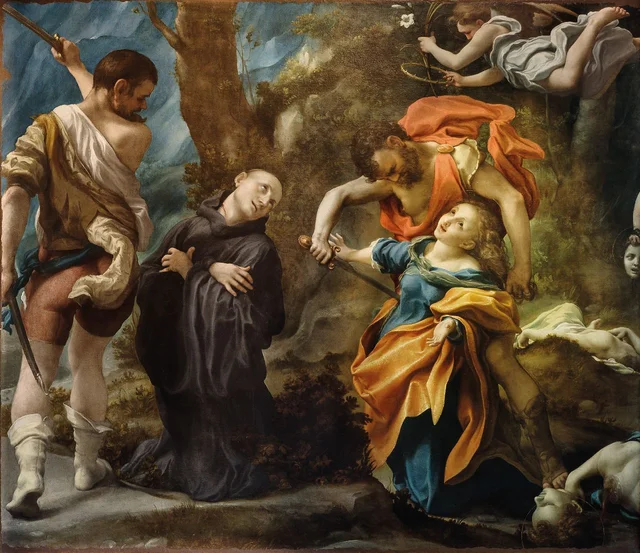 Martyrdom of Four SaintsAntonio da Correggio, 1524
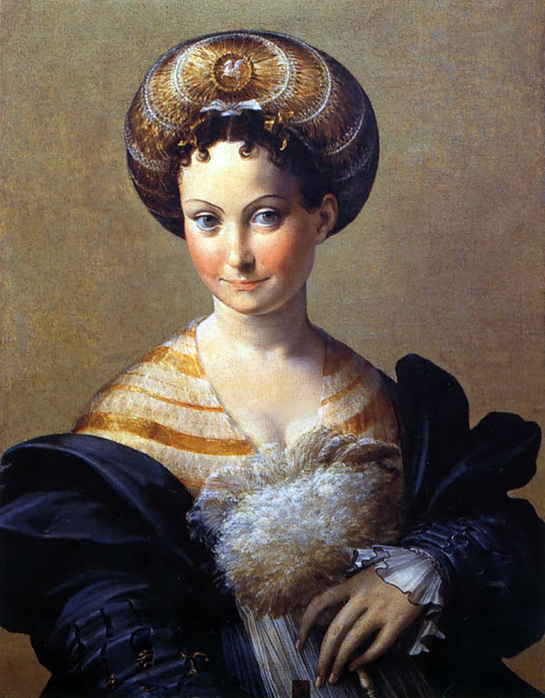 Turkish SlaveParmigianino, 1533
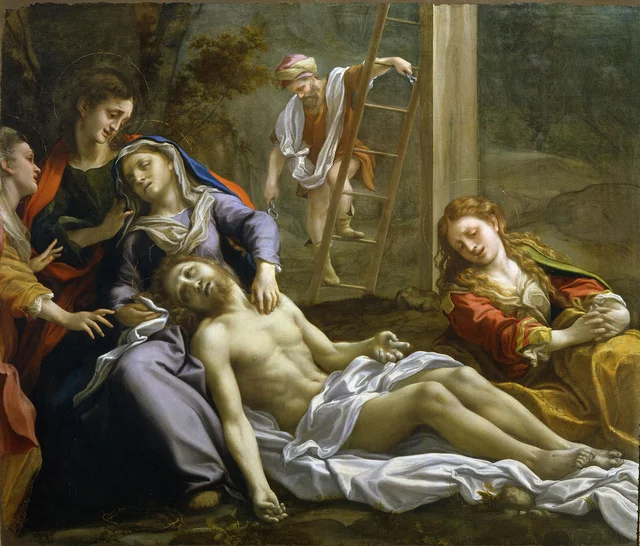 Lamentation over the Dead ChristAntonio da Correggio, 1524
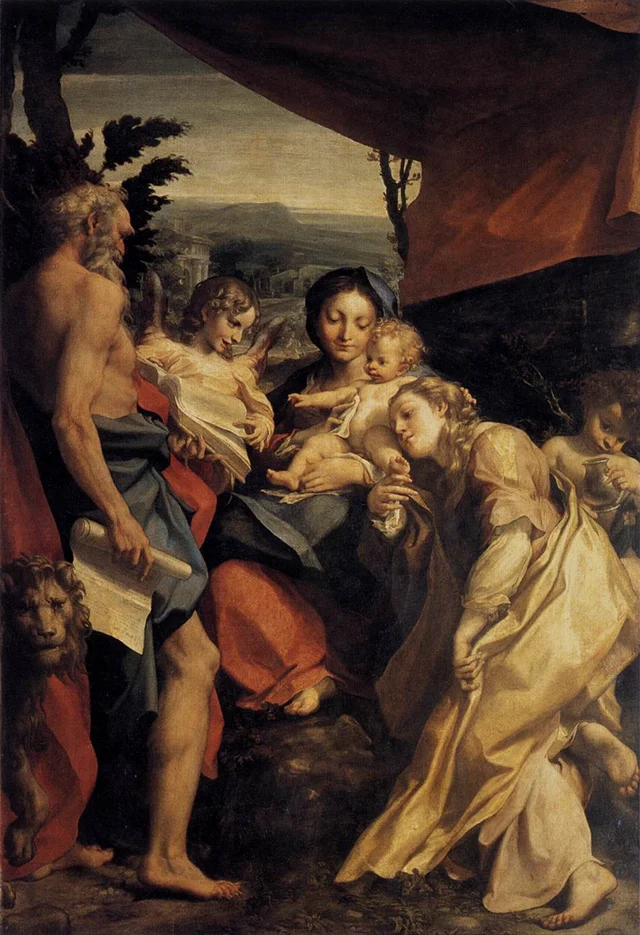 Madonna of St. JeromeAntonio da Correggio, 1528
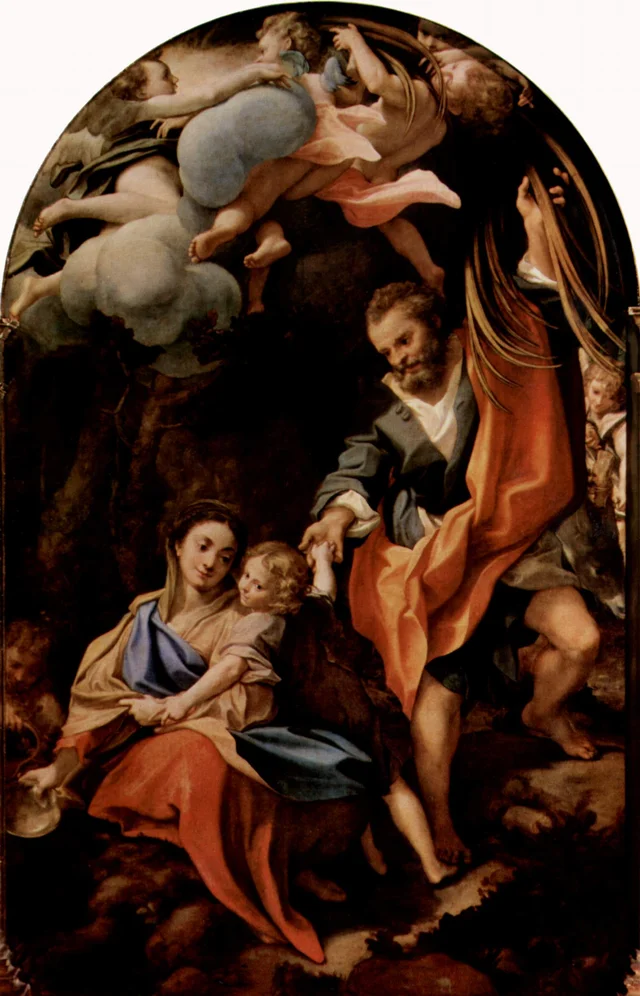 Madonna della ScodellaAntonio da Correggio, 1528
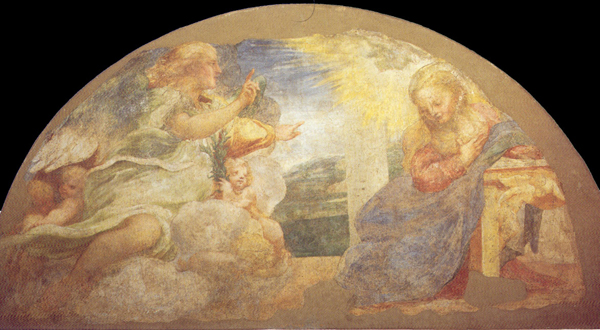 AnnunciationAntonio da Correggio, 1525
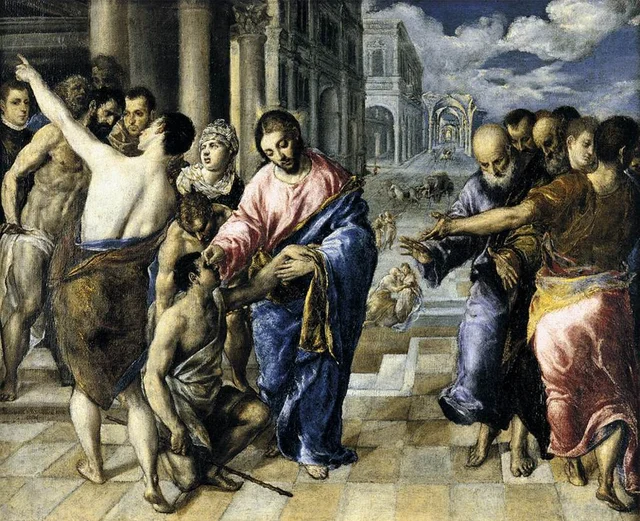 Healing of the Man Born BlindEl Greco, 1570
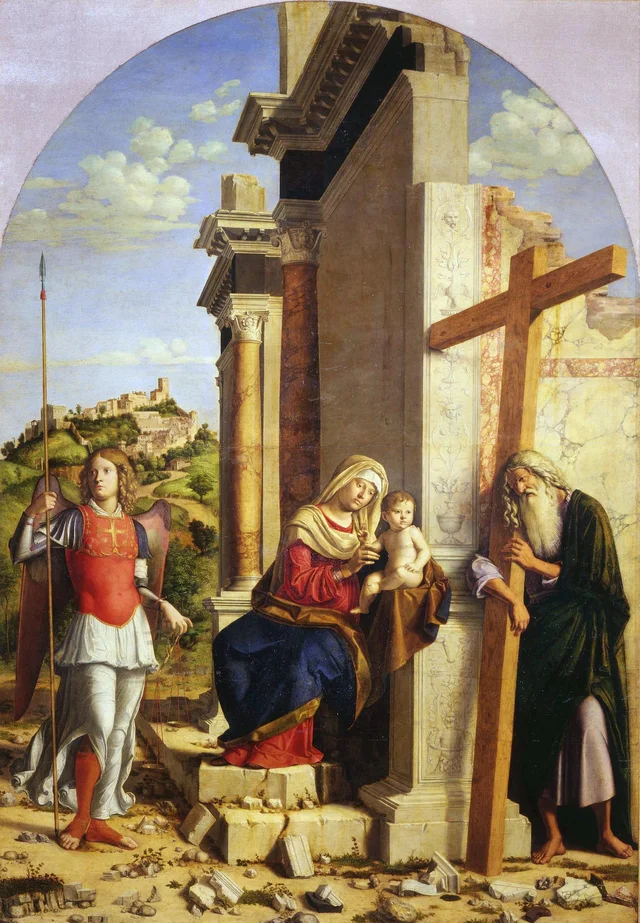 Madonna and Child with Saints Michael the Archangel and AndrewGiovanni Battista Cima da Conegliano, 1497
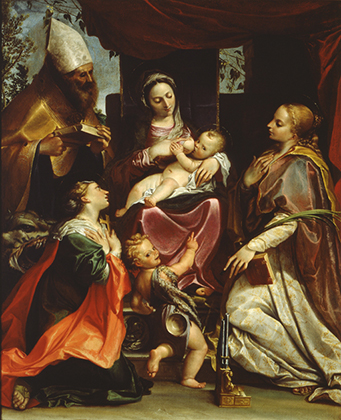 Madonna and Child with SaintsAgostino Carracci, 1586
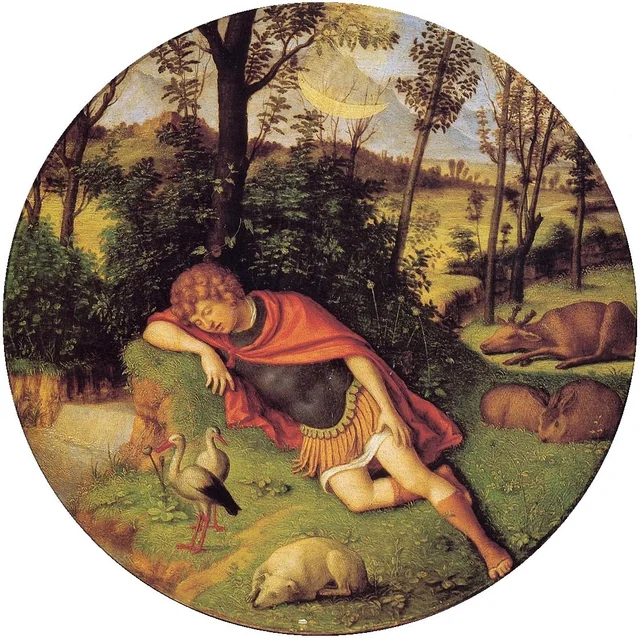 Sleeping EndymionGiovanni Battista Cima da Conegliano, 1507
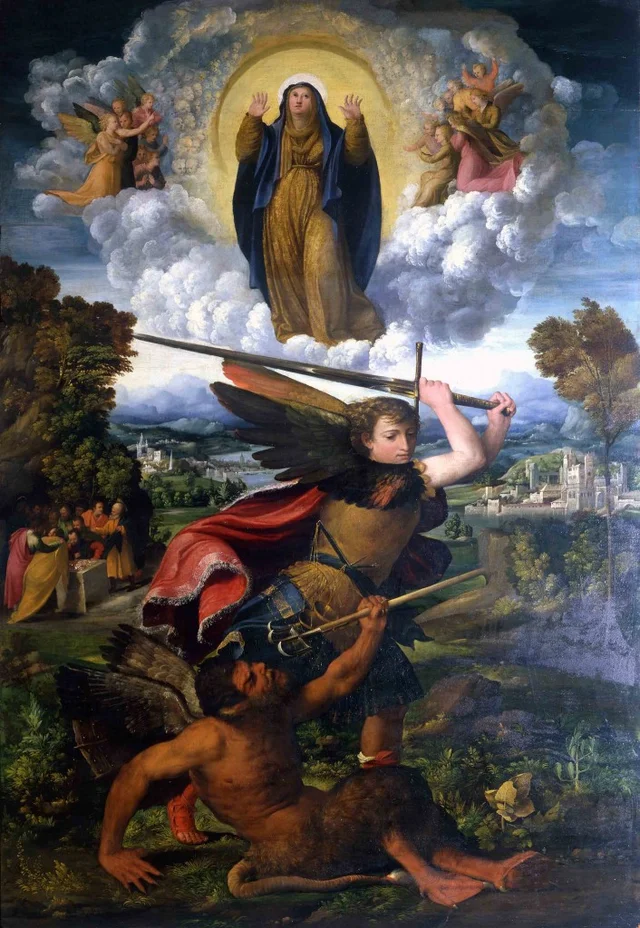 Virgin of the Assumption and St. Michael the ArchangelDosso Dossi, 1533
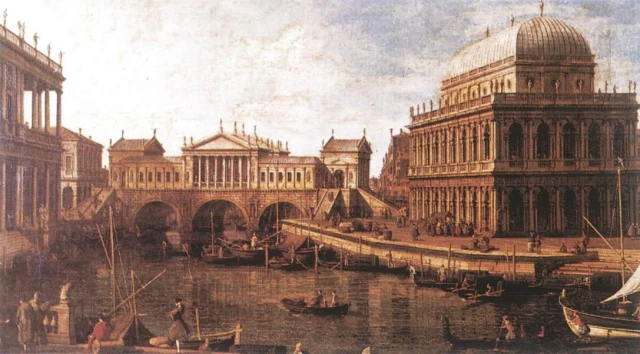 Capriccio: a Palladian Design for the Rialto Bridge, with Buildings at VicenzaCanaletto, 1750
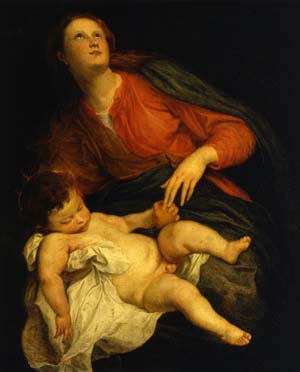 Madonna and ChildAnthony van Dyck, 1621
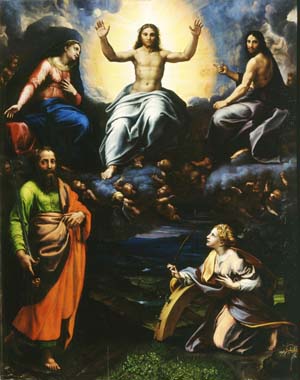 Deesis with Saint Paul and Saint CatherineGiulio Romano, 1520
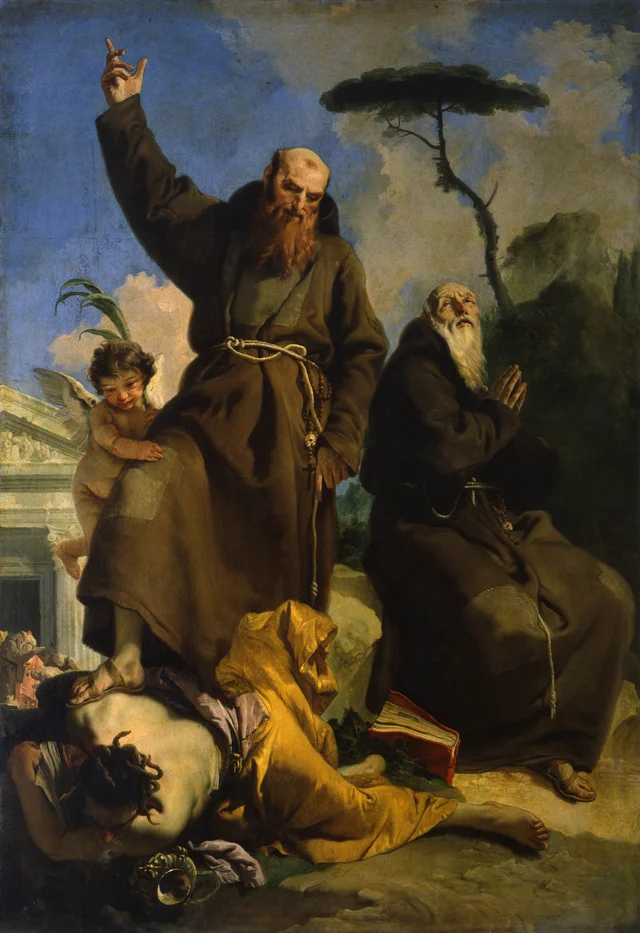 Saint Fidelis of Sigmarigen and Saint Joseph of LeonessaGiovanni Battista Tiepolo, 1752