The story
In the courtyard of Palazzo Spada in Rome, a colonnade seems to run some 37 metres to a life-size statue in a sunlit garden. Walk toward it and the trick falls apart. The gallery is about eight metres long, the floor rises and the columns shrink as they recede, and the warrior at the end is roughly 60 centimetres tall. Francesco Borromini, the Baroque architect, built the illusion in 1653 for Cardinal Bernardino Spada, who had bought the palace in 1632. The statue itself was added in the 19th century.
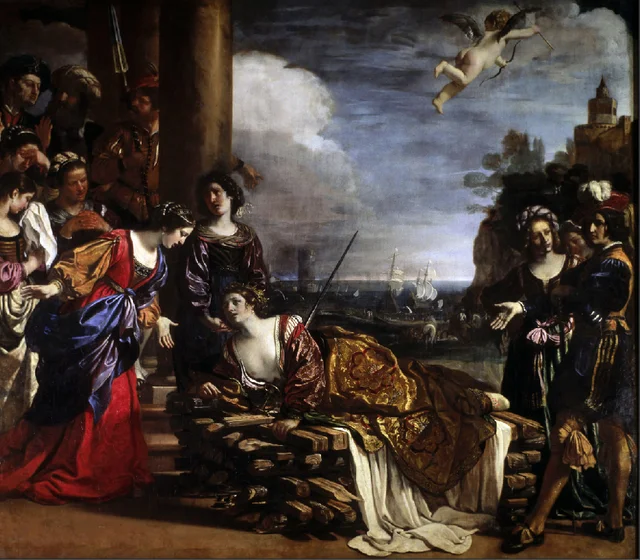
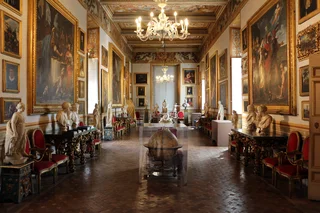
Upstairs, the cardinal's picture collection still hangs in four rooms, frame beside frame in the manner of a 17th-century Roman palace. Some of it he commissioned himself. Guercino, the painter from Cento near Bologna, made The Death of Dido for him around 1630, the Carthaginian queen on her pyre while the ships of Aeneas leave the harbour.
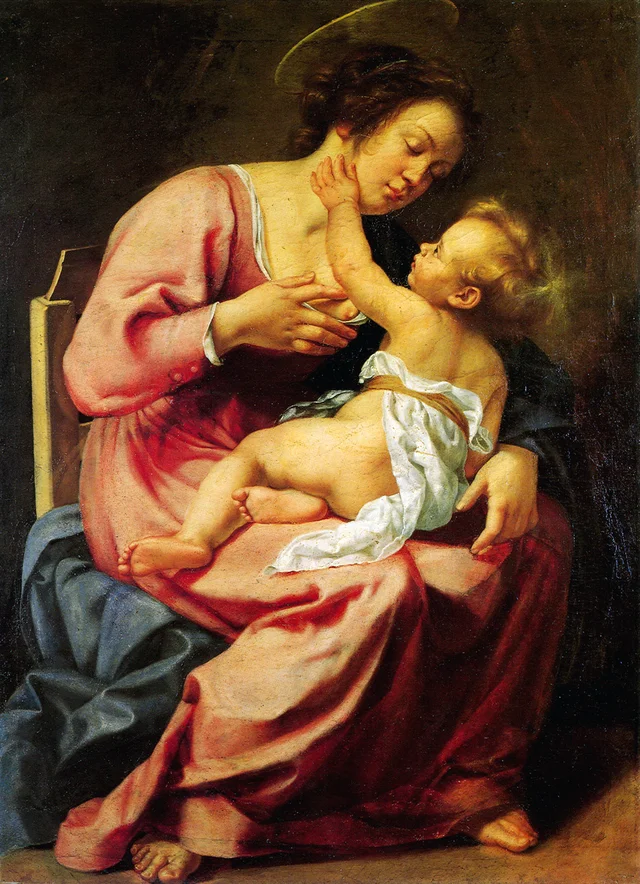
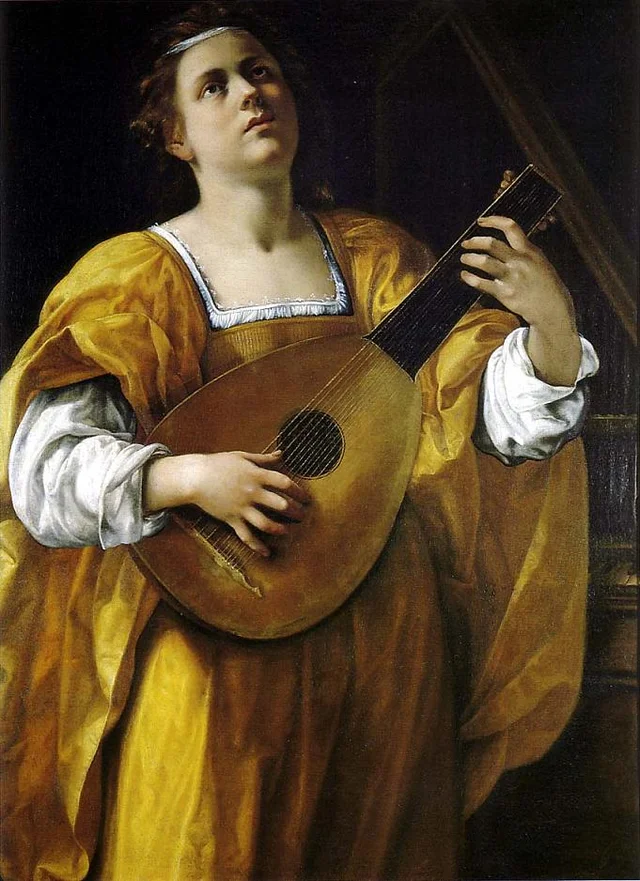
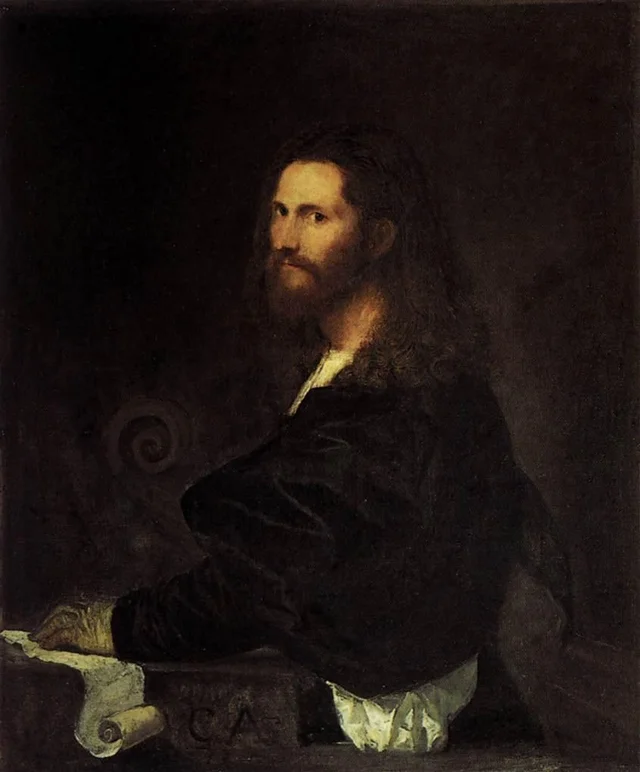
There are two pictures by Artemisia Gentileschi, the Roman painter who worked for patrons across Italy, a Madonna and Child and a Saint Cecilia playing the lute. A Portrait of a Musician attributed to the young Titian came from Venice. Most of the palace is occupied by Italy's Council of State, the highest administrative court, which moved into the building in 1927.