The story
Between 1748 and 1756, Landgrave Wilhelm VIII of Hesse-Kassel put his diplomats and agents to work as art buyers, sending them to Amsterdam, Antwerp, Brussels, Venice and Paris to bring home paintings by the hundred. A German prince with a soldier's career and a collector's eye, he chased the Dutch and Flemish masters above all, and within a few years he had gathered roughly 800 pictures.
That taste still defines the gallery. Its heart is Rembrandt — around a dozen of his paintings hang here, one of the largest groups anywhere, among them Jacob Blessing the Sons of Joseph, a tender scene of the blind patriarch reaching to bless the wrong grandson, and an early portrait of Saskia, the painter's wife. Around them are Frans Hals and Anthony van Dyck, Rubens and Jacob Jordaens, with Italians and Germans including Titian and Dürer.
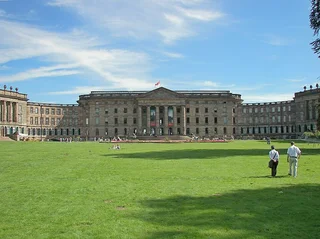
Since 1974 the collection has lived in Schloss Wilhelmshöhe, a neoclassical palace on a wooded hillside above Kassel, its galleries reached by climbing through the park the Landgraves laid out below, a park crowned by a colossal copper Hercules that has looked out over the valley since 1717.
Collection
23 works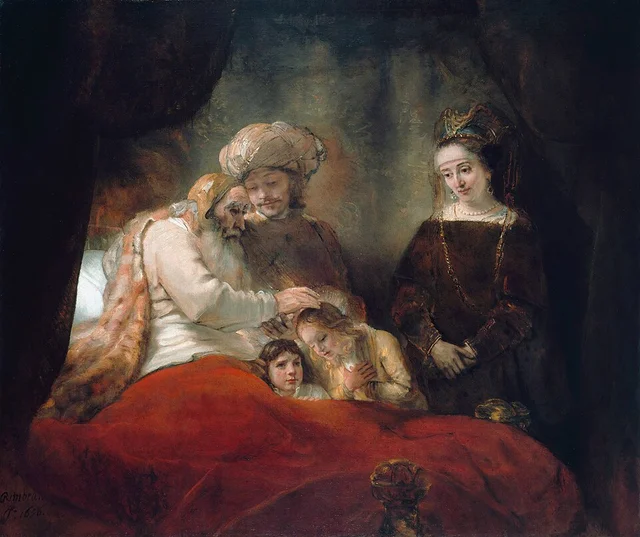 Jacob Blessing the Sons of JosephRembrandt, 1656
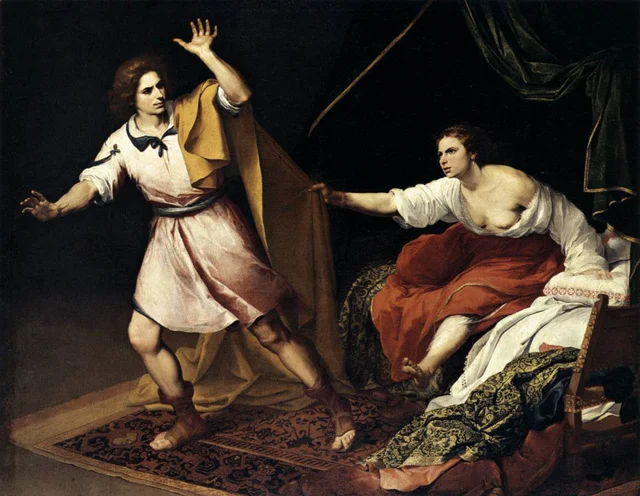 Joseph and Potiphar's WifeBartolomé Esteban Murillo, 1640
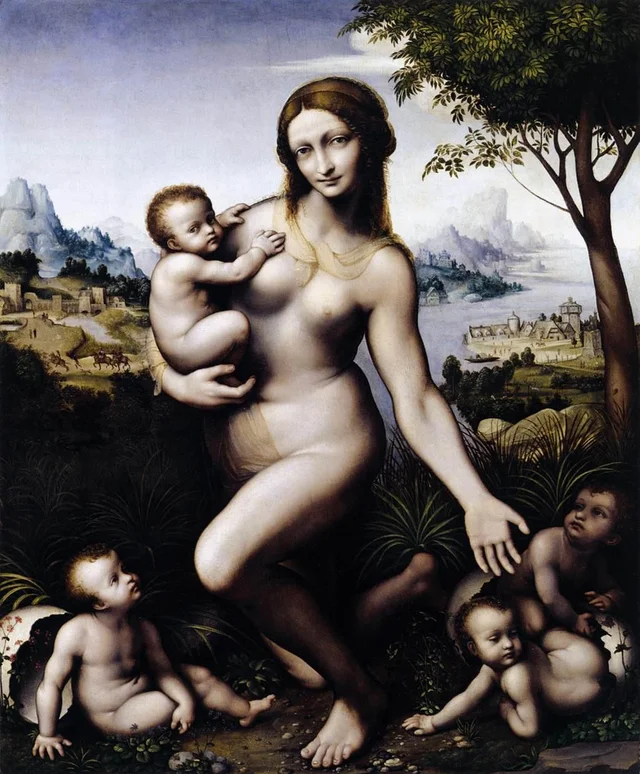 Leda with her childrenGiampietrino, 1530
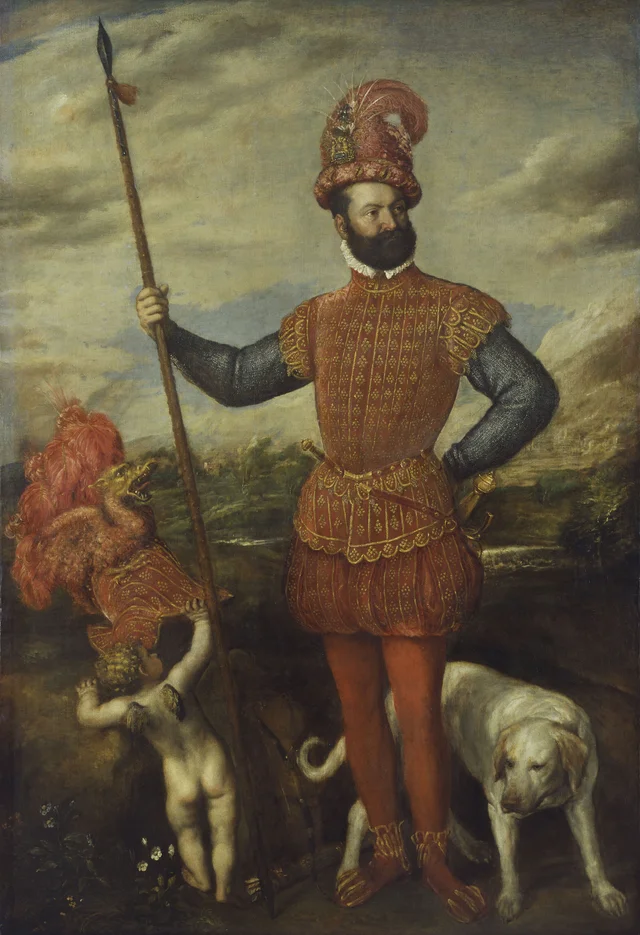 Portrait of a General - Man in Military CostumeTitian, 1550
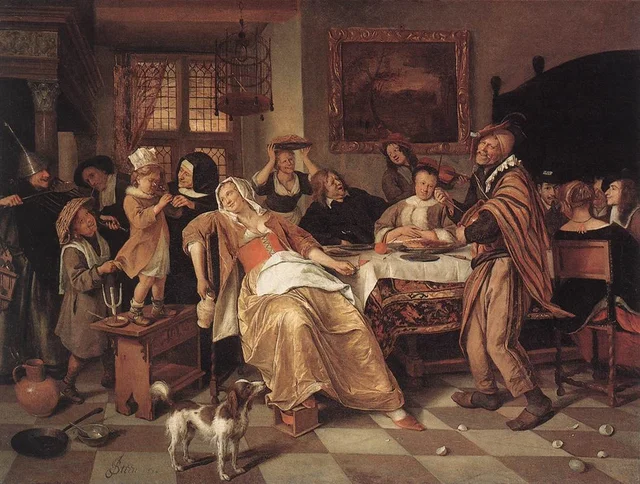 The Bean FeastJan Steen, 1668
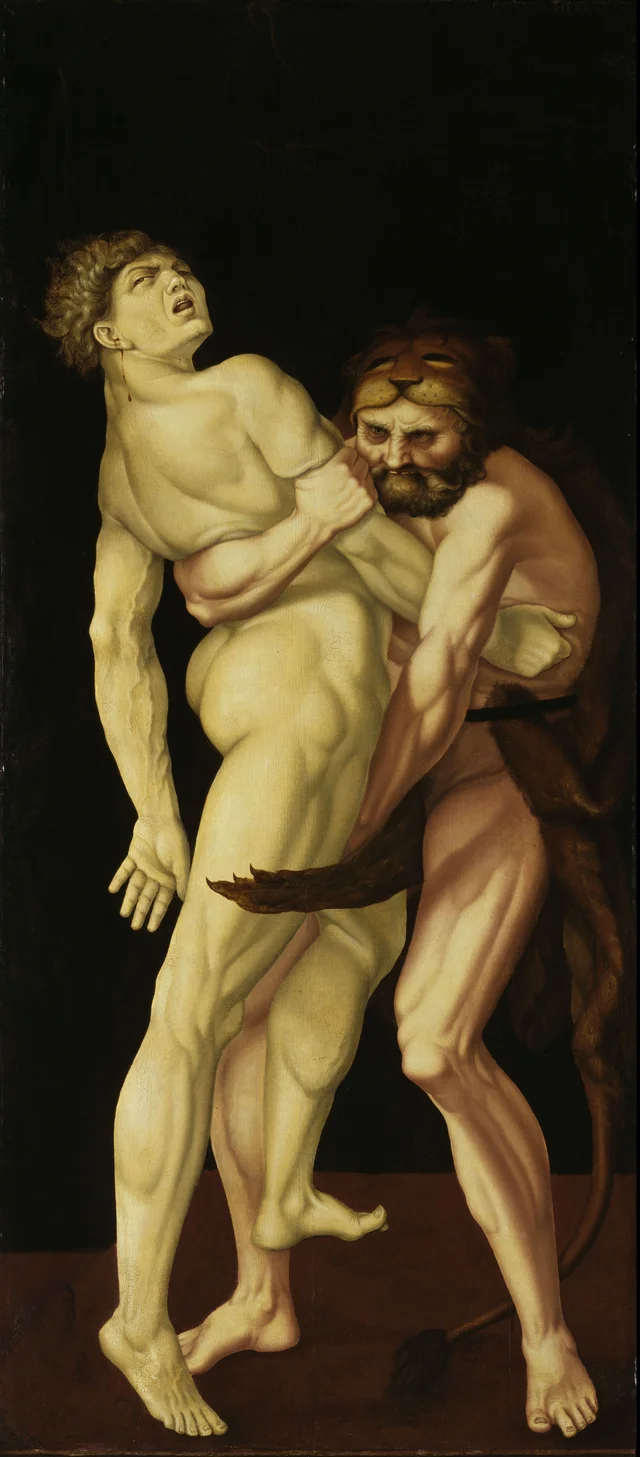 Heracles and AntaeusHans Baldung Grien, 1531
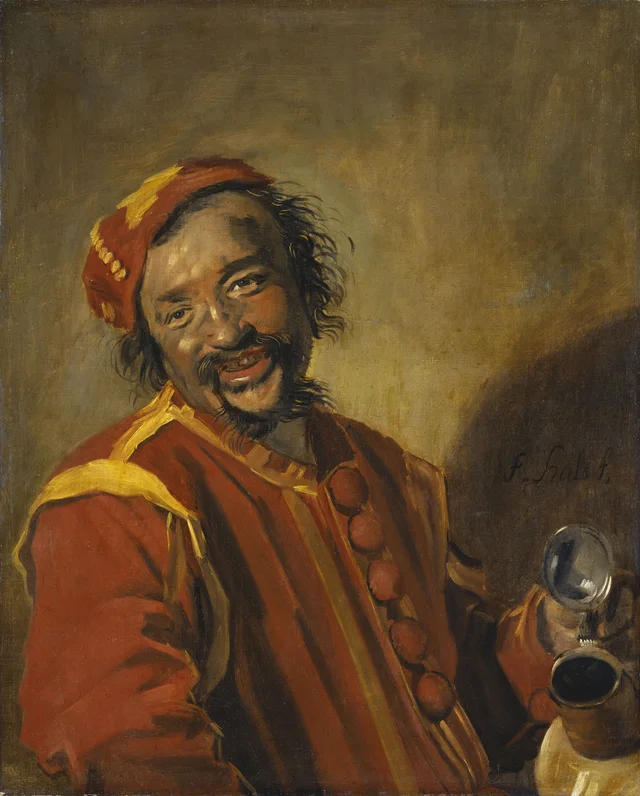 PeeckelhaeringhFrans Hals, 1620
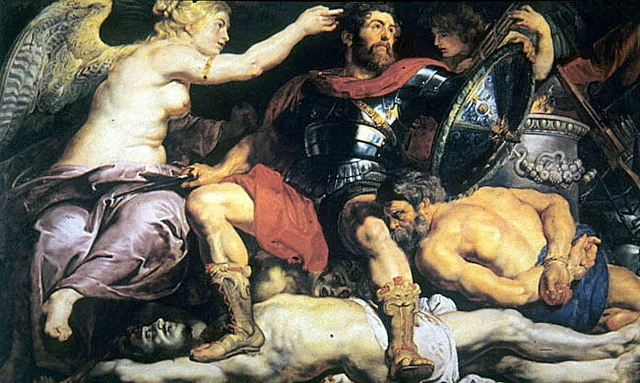 The Crowning of the Virtuous HeroPeter Paul Rubens, 1613
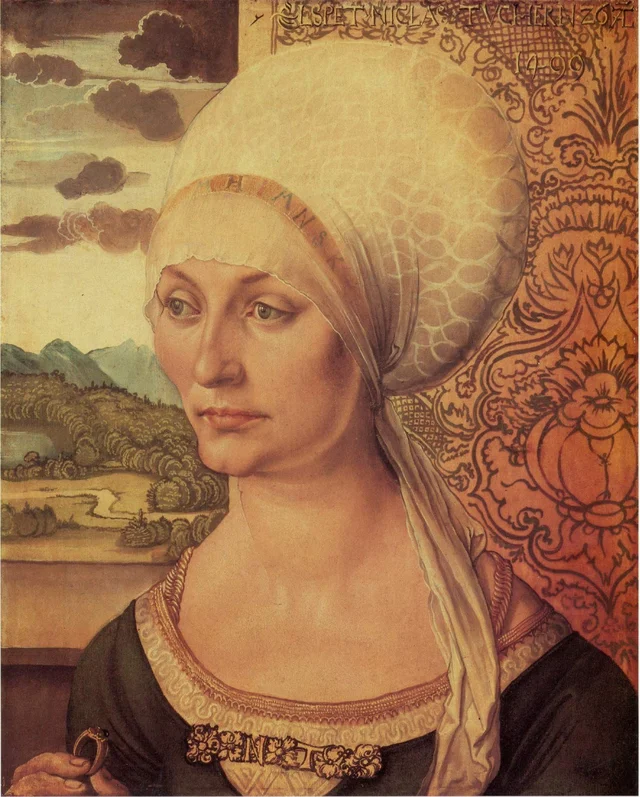 Portrait of Elspeth TucherAlbrecht Dürer, 1499
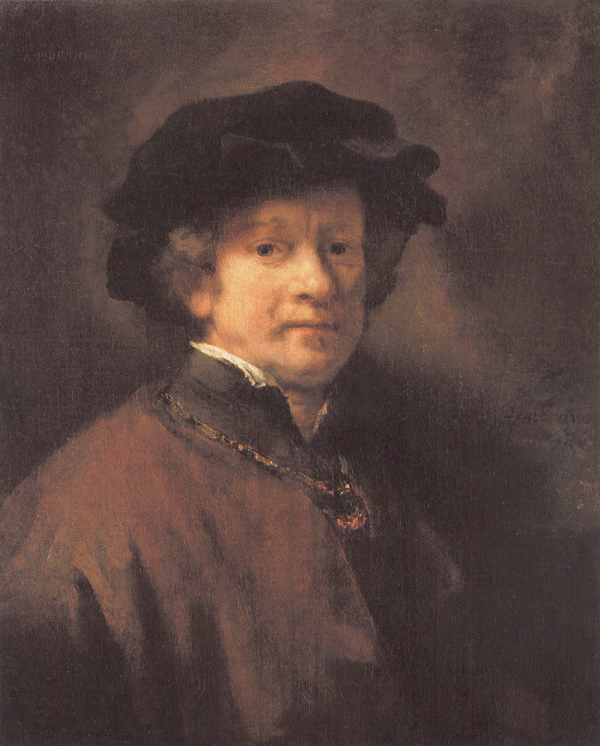 Self portrait with black baret and golden chainRembrandt, 1654
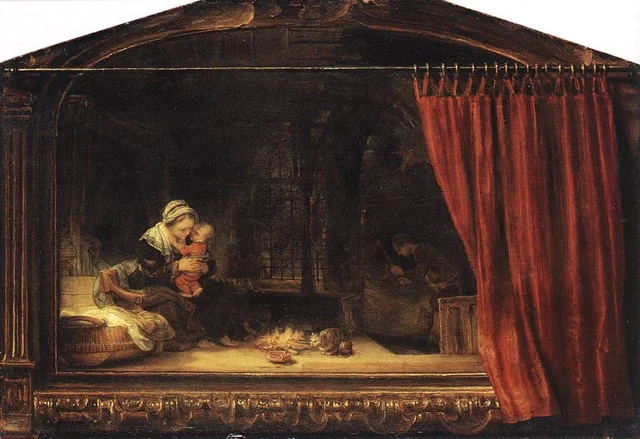 The Holy Family with a CurtainRembrandt, 1646
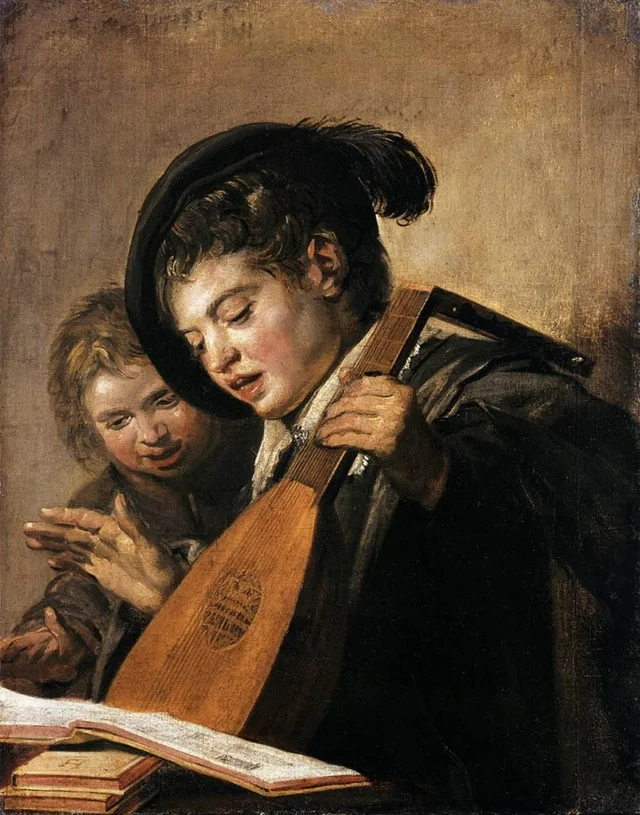 Two singing boys with a lute and a music bookFrans Hals, 1625
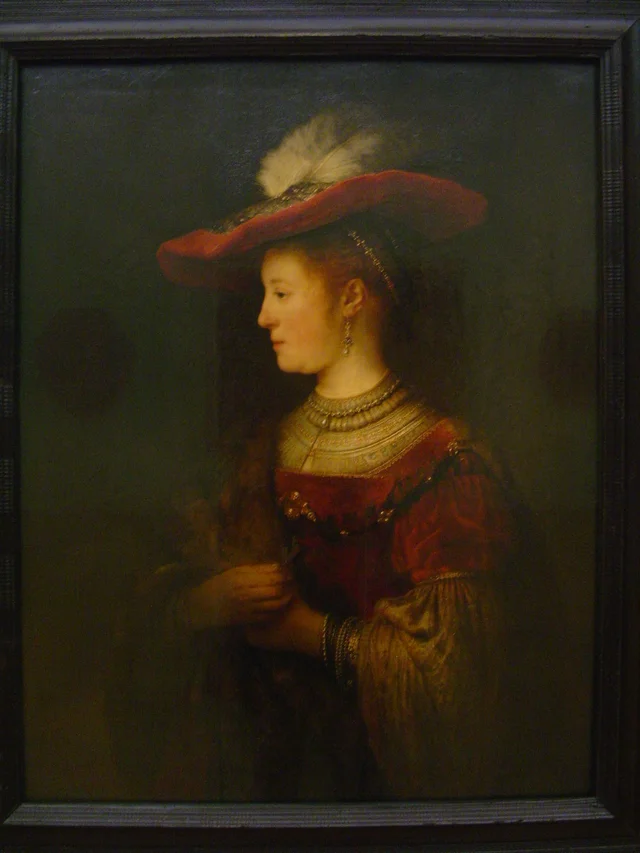 Saskia in a Red HatRembrandt, 1633
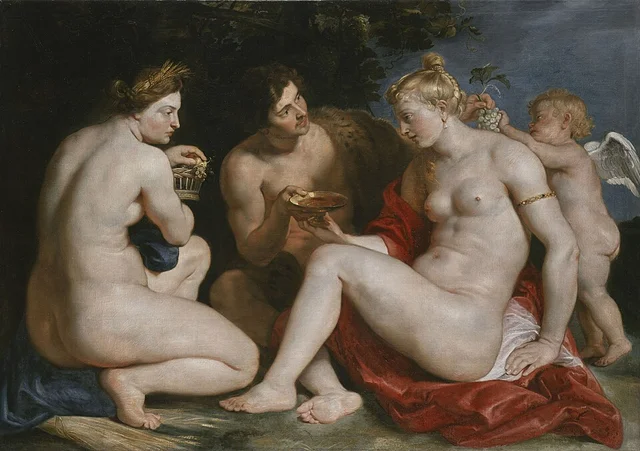 Sine Baccho et Cerere friget VenusPeter Paul Rubens, 1612
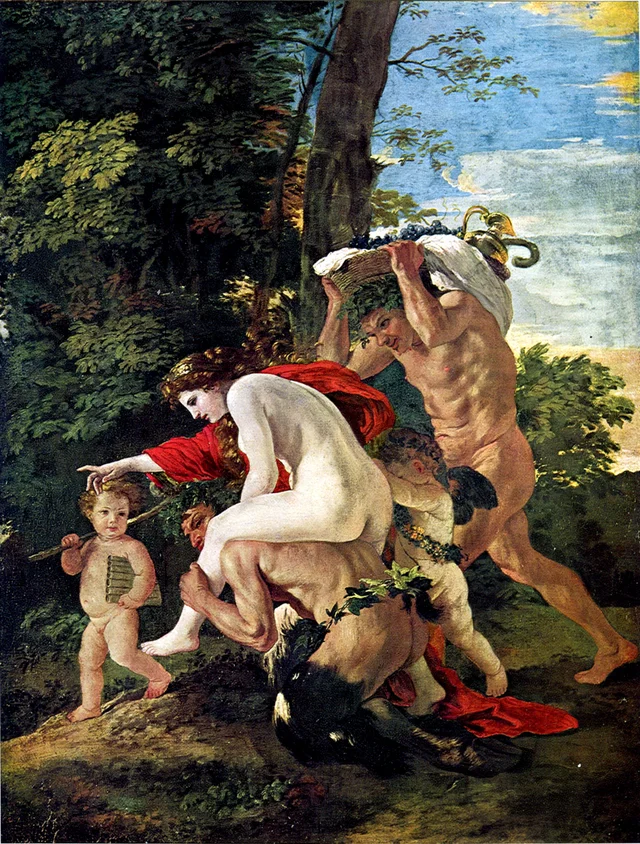 Bacchanal SceneNicolas Poussin, 1627
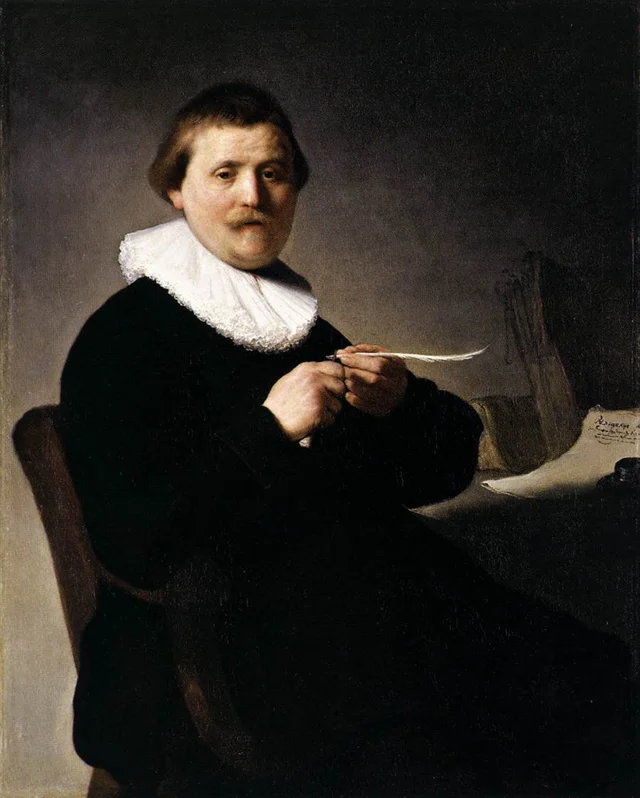 Portrait of a Man Trimming his QuillRembrandt, 1632
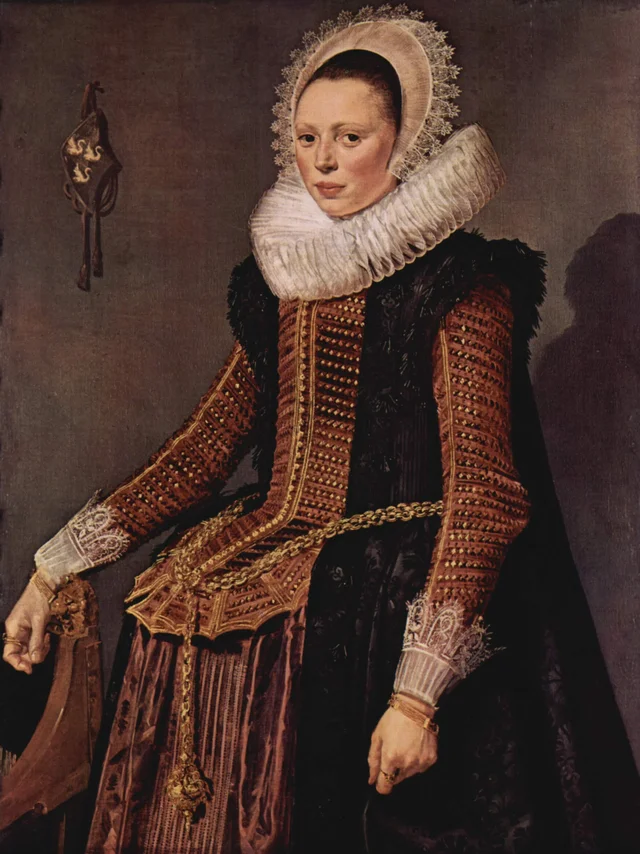 Portrait of a Woman StandingFrans Hals, 1618
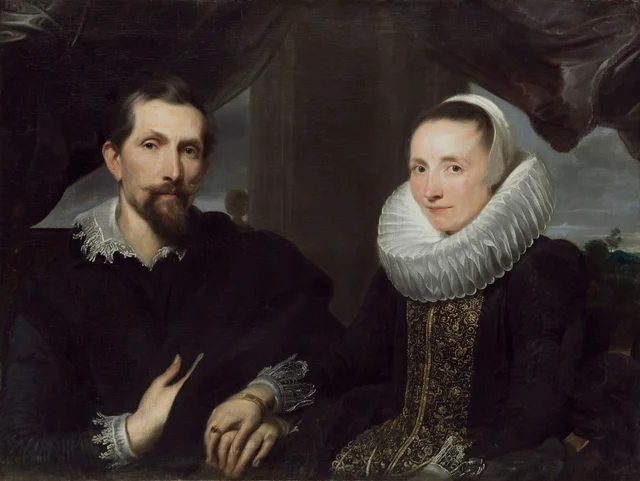 Portrait of Frans Snyders and his WifeAnthony van Dyck, 1621
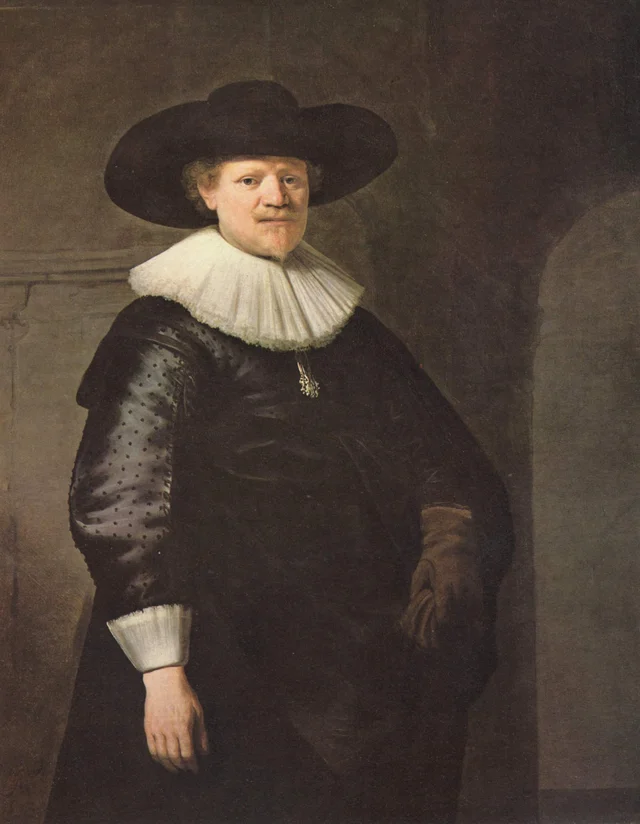 Portrait of Jan Harmensz. KrulRembrandt, 1633
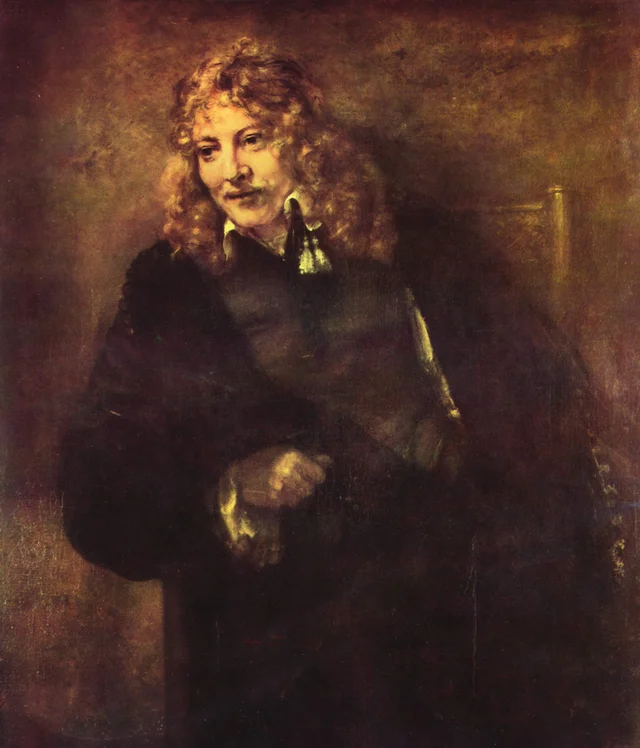 Portrait of Nicolaes BruyninghRembrandt, 1652
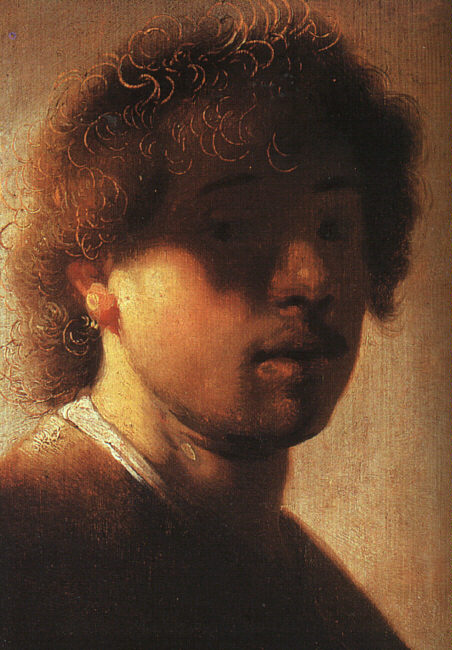 Self-portraitRembrandt, 1660
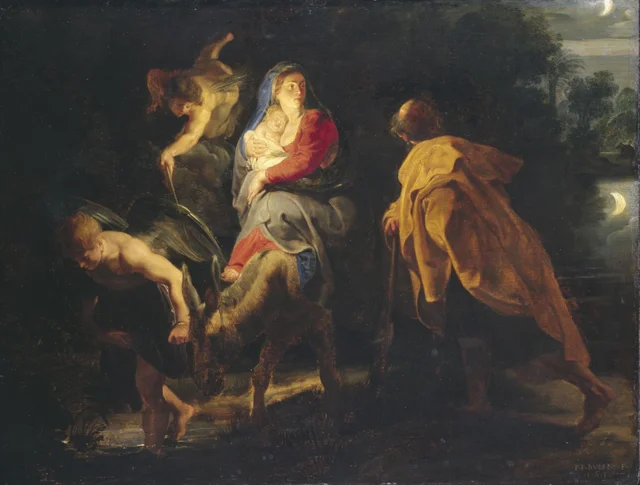 The Flight into EgyptPeter Paul Rubens, 1614
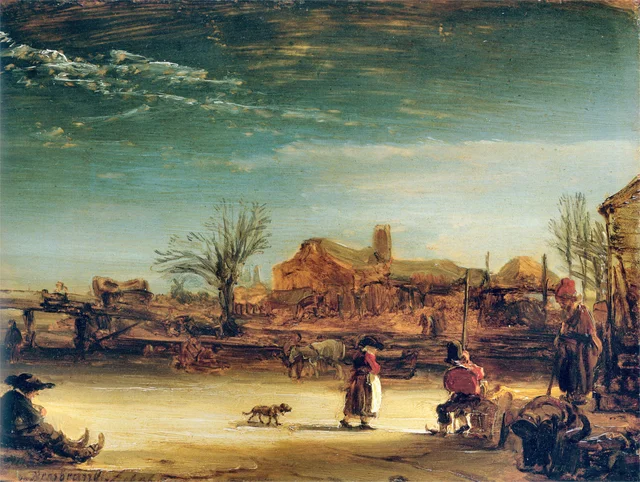 Winter LandscapeRembrandt, 1646