The story
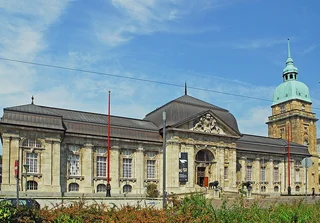
The Hessisches Landesmuseum in Darmstadt keeps almost everything under one roof. Fossils from the Messel Pit, a former oil-shale quarry nearby where 47-million-year-old early horses were found with their last meals still preserved, share the building with Art Nouveau design and a picture gallery that runs from Bruegel to August Macke.
That range goes back to 1820, when Grand Duke Louis I of Hesse turned his collections into a public foundation. The present building came almost a century later. The Berlin architect Alfred Messel, no relation to the fossil site, designed it as a sequence of rooms each shaped for its own collection, and it opened in 1906. After a long renovation it reopened in 2014.
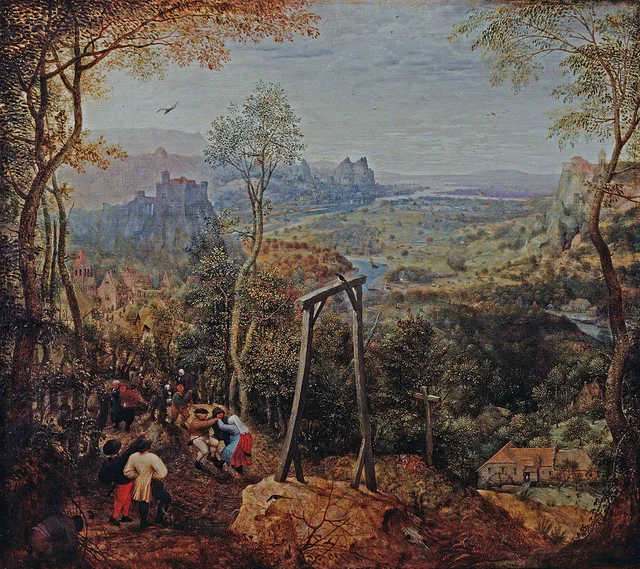
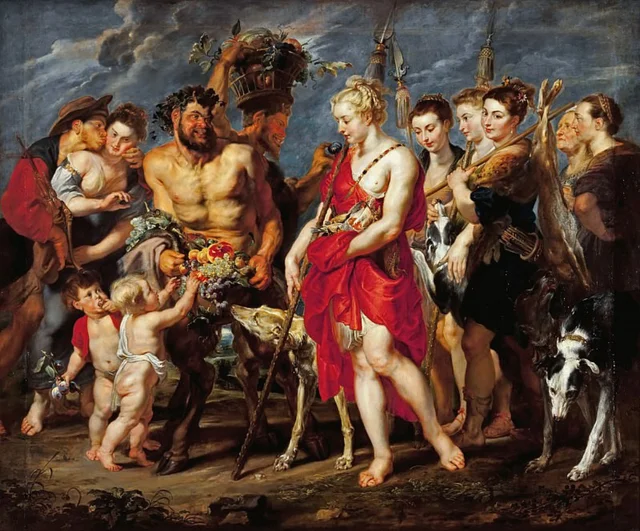
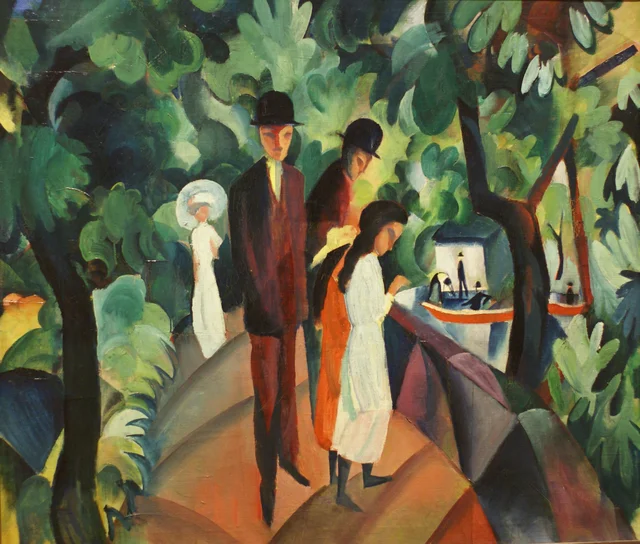
In the painting galleries, find Pieter Bruegel the Elder's The Magpie on the Gallows from 1568, a year before his death. Peasants dance in a bright, wide landscape close to a gallows with a magpie perched on it. The early biographer Karel van Mander wrote that Bruegel left the picture to his wife, and that the magpie stood for gossips, the people he would have liked to see hanged. Rubens's Diana Returning from the Hunt hangs here too, and Macke's Walk on the Bridge, painted in 1912, two years before he was killed in the first weeks of the First World War.