The story
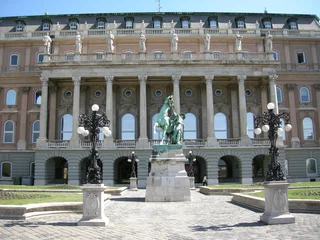
Hungary's national art hangs in a royal palace that has been rebuilt again and again. The palace on Castle Hill in Buda grew under medieval kings, decayed during the Ottoman occupation, was rebuilt in Baroque style, and was badly damaged in the siege of Budapest in 1944 and 1945. The Hungarian National Gallery, founded in 1957, moved into its restored wings in 1975.
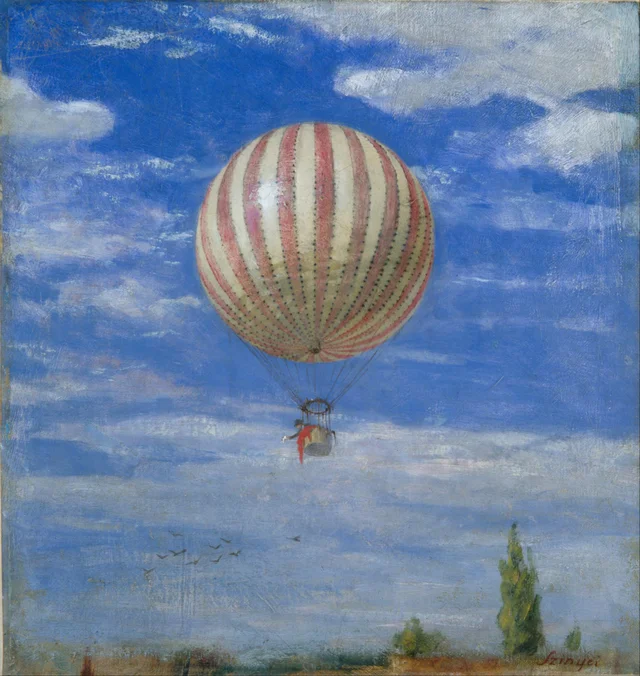
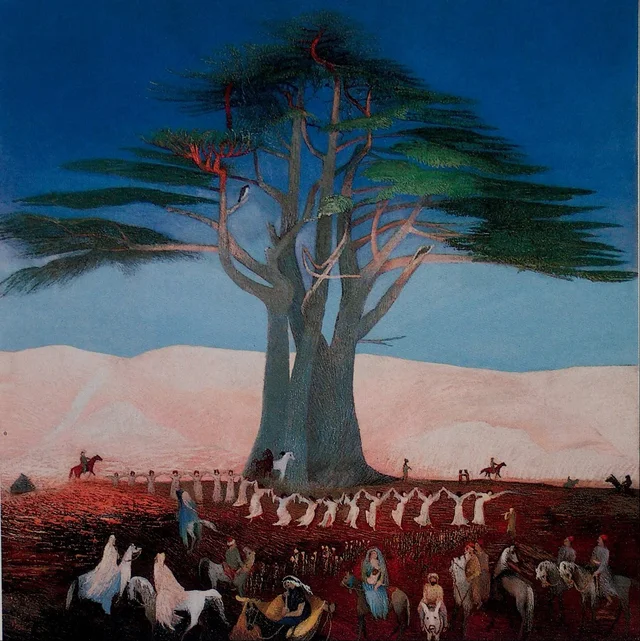
The visit runs from carved and painted winged altarpieces of the 15th century to the painters of modern Hungary. Pál Szinyei Merse, a pioneer of open-air painting there, is here with The Balloon of 1878. So is Tivadar Csontváry Kosztka, a pharmacist who took up painting in his forties. His Pilgrimage to the Cedars of Lebanon, about two metres square, was painted after a journey to the ancient cedar groves, trees that a popular theory of his day tied to the earliest Hungarian past.
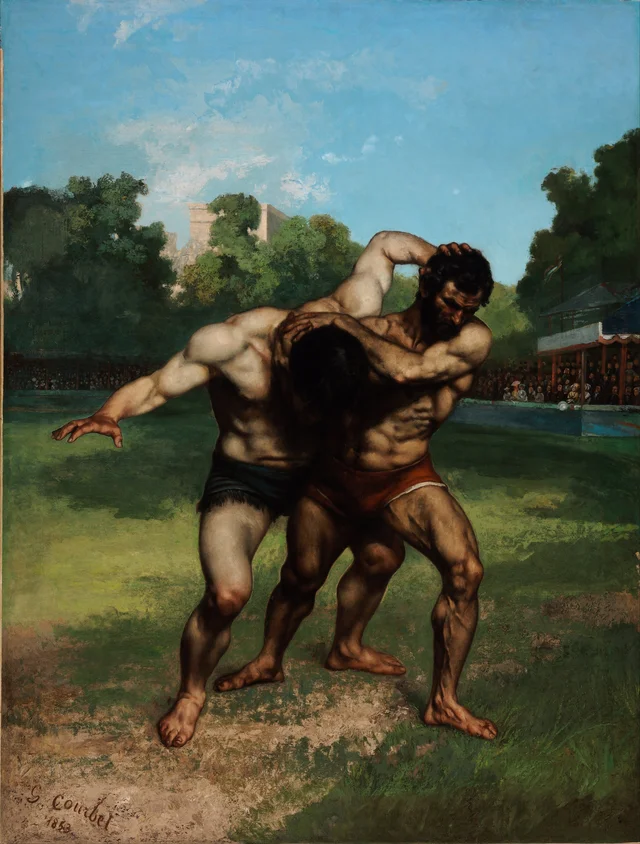
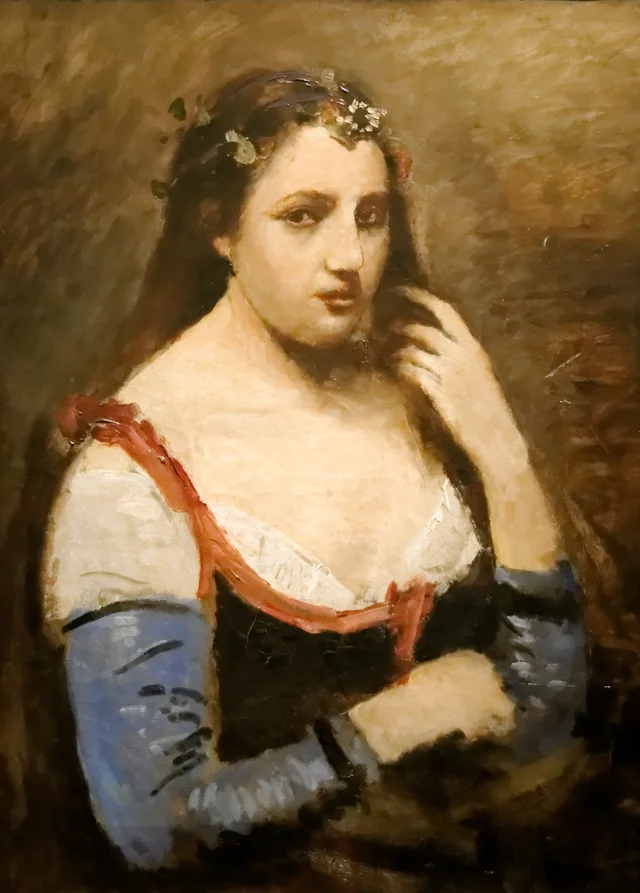
Since the gallery was joined to the Museum of Fine Arts in 2012, the palace also shows international art after 1800 on its first floor, in a display that runs from the French realist Gustave Courbet to the German painter Georg Baselitz. Courbet's Wrestlers of 1853, more than two and a half metres tall, shows a bout at the old hippodrome on the Champs-Élysées in Paris. Nearby hangs Lady with Daisies by the French landscape painter Camille Corot, left sketchy enough that you can still see where he moved the arms.