The story
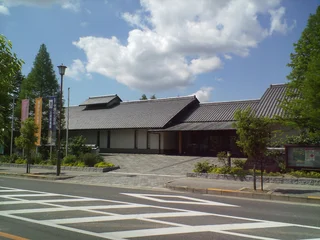
In 1982 Kubosō, a firm that had worked in the cotton trade in Izumi, in the south of Osaka Prefecture, for about a century, gave the city not only its owners' art collection but also a museum building, the land and an endowment to run it. Some 500 works came with the gift, gathered over three generations of the Kubo family, descendants of the company's founder, Kubo Sōtarō.
The heart of the museum is East Asian. Its two National Treasures are a Chinese celadon vase of the Southern Song dynasty with handles shaped like phoenixes, known by the name Bansei, meaning ten thousand voices, and a scroll of poems from the Heian court. The collection has since grown to more than 10,000 works and documents.
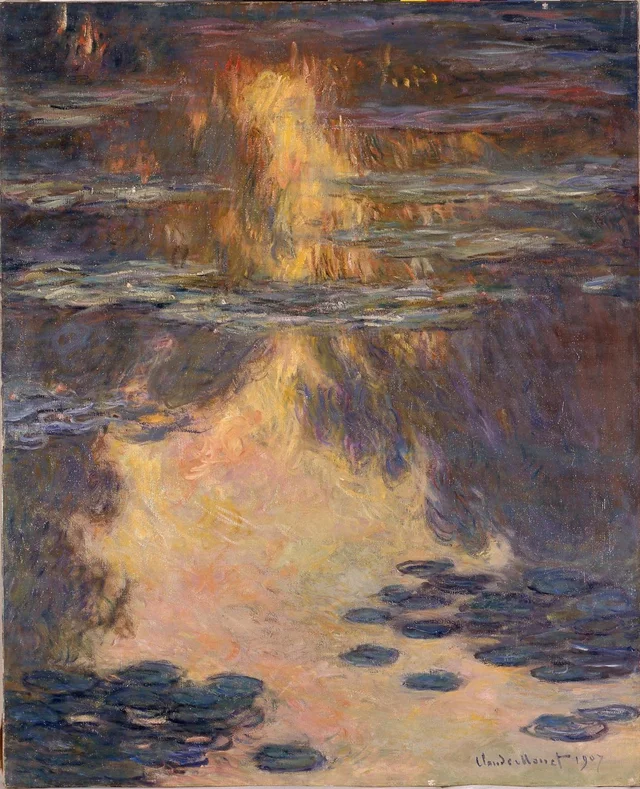
A new wing opened in 1997 with a gallery set aside for Western art, a small group of some 25 pictures. Among them are Claude Monet's Water Lilies of 1907 and Renoir's view of the post office in Cagnes, painted in 1906 in the Riviera town where he spent his last years.