The story
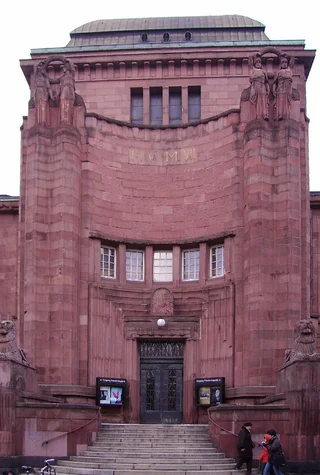
Mannheim's art museum opened in 1909 as a civic collection of modern art, and it moved fast. Within a year its director had bought the picture it is still known for: Edouard Manet's 'The Execution of Emperor Maximilian', the final large version of Manet's blunt, newspaper-flat painting of a firing squad shooting the Habsburg prince that France had installed as emperor of Mexico and then abandoned.
The museum made history again in 1925. Its director, Gustav Hartlaub, mounted an exhibition of hard, clear-eyed German painting and coined a name for it, 'Neue Sachlichkeit', or New Objectivity, which stuck to a whole movement. Much of that art was later condemned by the Nazis, and the museum lost hundreds of works to the purge of so-called degenerate art.
A striking new building of glass and weathered bronze opened in 2018, its galleries stacked around an open atrium, and the Manet still hangs near the centre of it, a century after the museum gambled on buying it.
Collection
10 works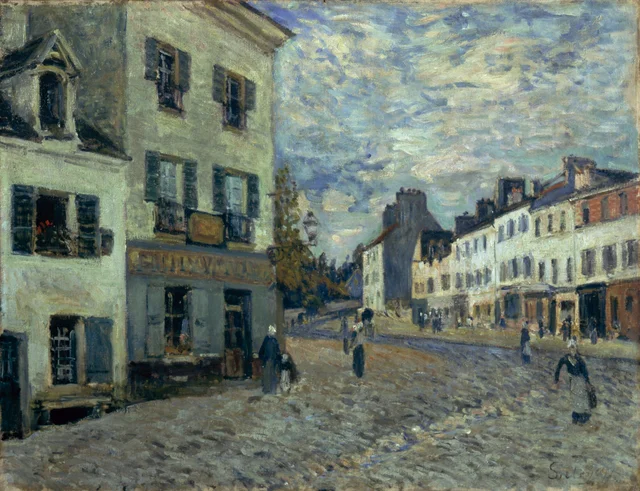 Street in MarlyAlfred Sisley, 1876
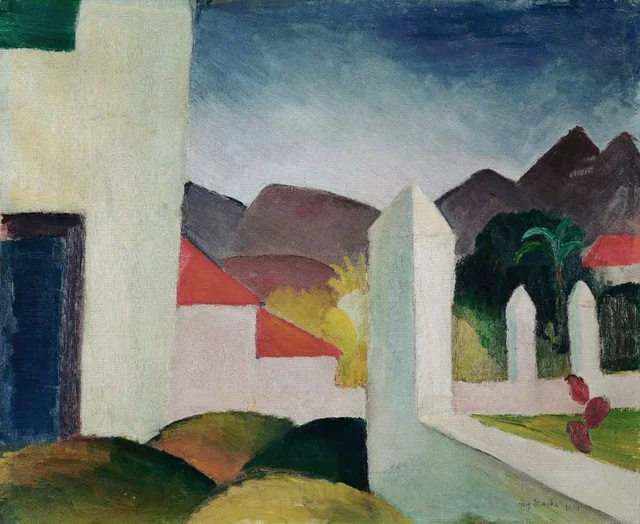 Tunisian LandscapeAugust Macke, 1914
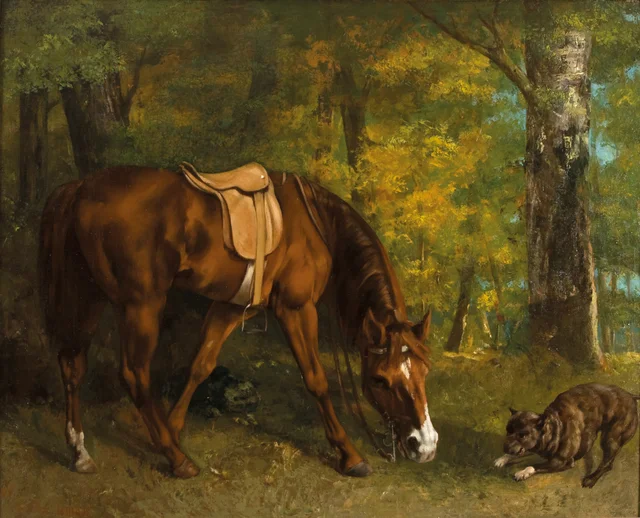 Horse in the WoodsGustave Courbet, 1863
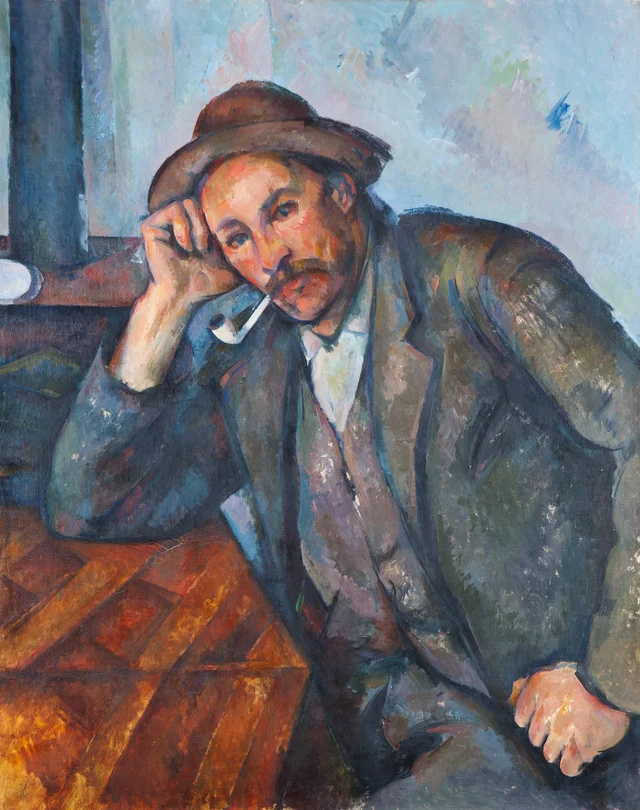 Le Fumeur accoudéPaul Cézanne, 1890
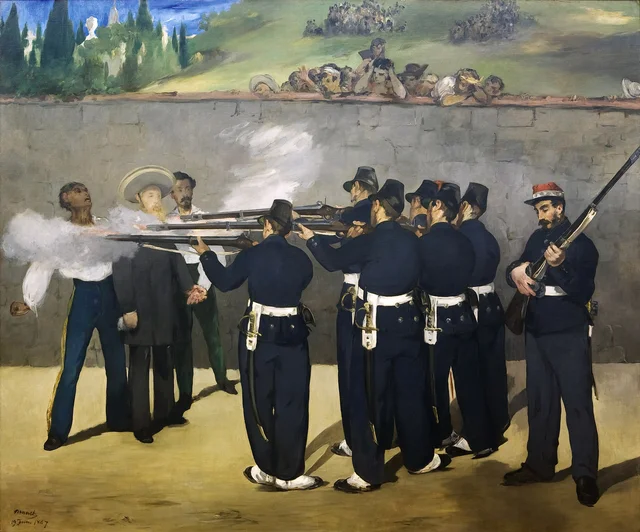 The Execution of Emperor MaximilianÉdouard Manet, 1868
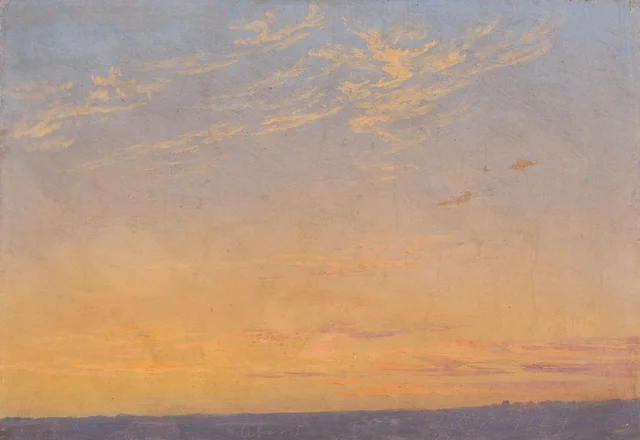 Evening with cloudsCaspar David Friedrich, 1824
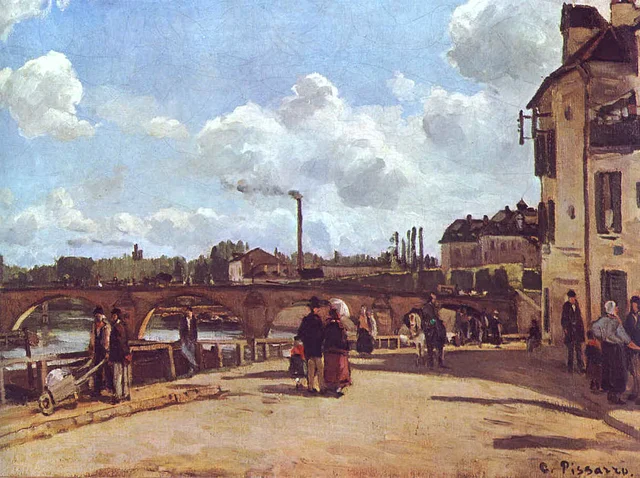 Quai du Pothuis, PontoiseCamille Pissarro, 1868
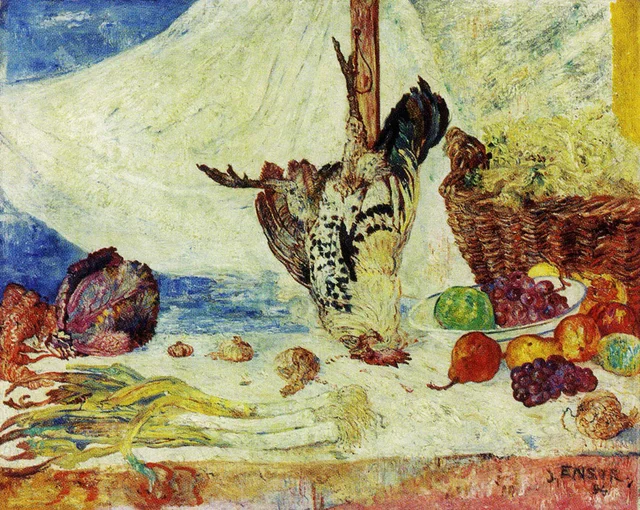 The Dead CockerelJames Ensor, 1894
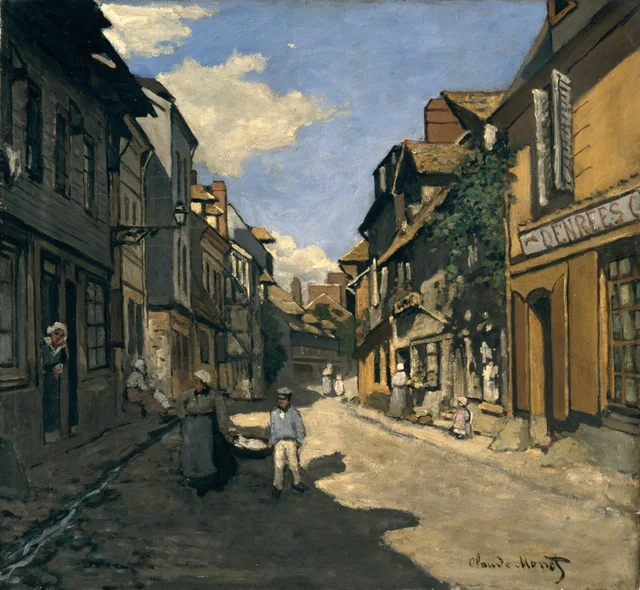 The Rue de la Bavolle at HonfleurClaude Monet, 1864
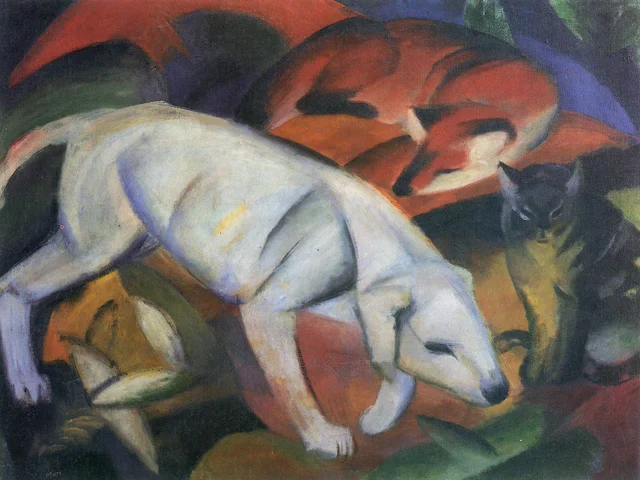 Three AnimalsFranz Marc, 1912