Liria Palace
Madrid, Spain
The story
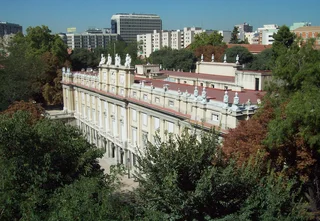
In November 1936, in the first months of the Spanish Civil War, incendiary bombs hit the Liria Palace in Madrid and burned it out until only the four outer walls were standing. Soldiers and the duke's own staff carried paintings out of the fire. The pictures were taken to Valencia and shown there as works saved from the palace, and later travelled with the evacuated paintings of the Prado to Geneva. Even so, more than 70 paintings and many other objects were lost in the flames.
The palace had gone up in the late 18th century for the 3rd Duke of Berwick, grandson of an illegitimate son of King James II of England, and was finished by Ventura Rodríguez, the leading Spanish architect of the day. After the war it was rebuilt from drawings by the British architect Edwin Lutyens, with the work completed in the 1950s. It is still the Madrid home of the dukes of Alba, and since 2019 visitors have been able to see it on guided tours.
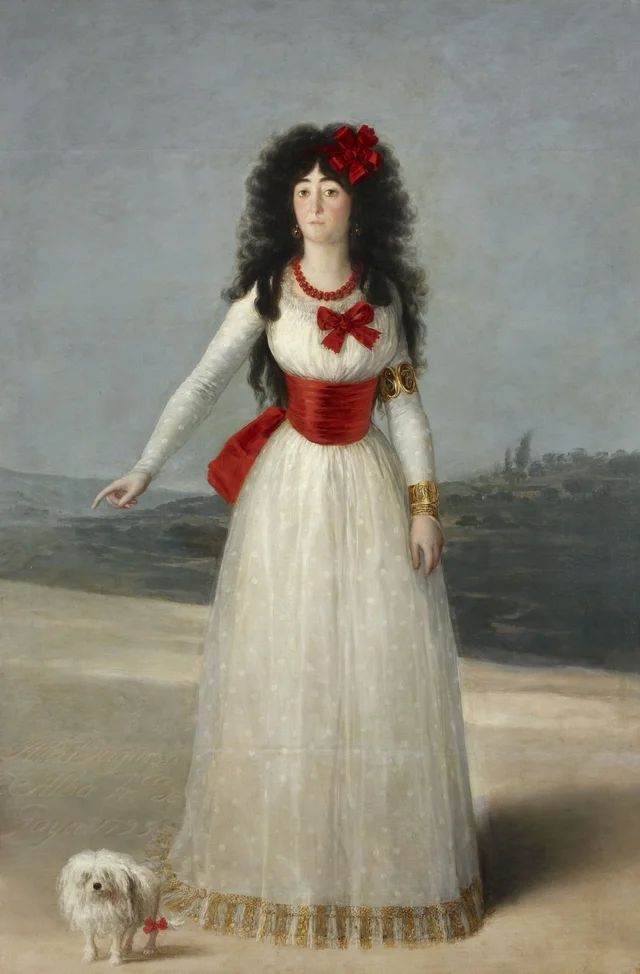
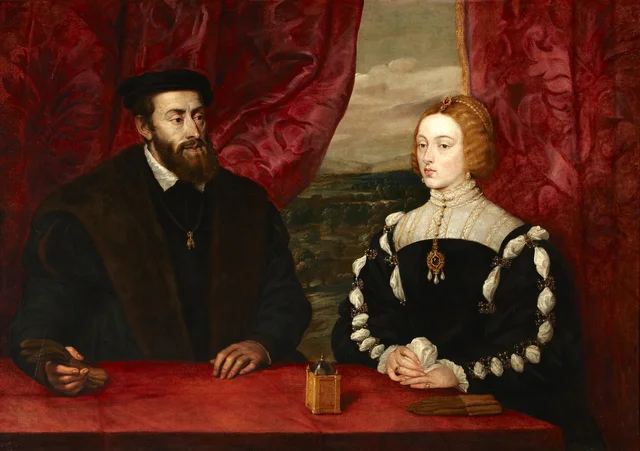
What they see is five centuries of one family's collecting, hung in rooms that are lived in. One room is given over to Goya, with his portrait of the 13th Duchess of Alba dressed in white, painted in 1795. Rubens is represented by a portrait of the 3rd Duke of Alba, the general of King Philip II, and the collection also takes in Titian, Velázquez and Zurbarán. The family archive keeps letters written by Christopher Columbus, and the library holds a first edition of Don Quixote.