The story
The Louvre began as a fortress. Philip II raised it on the right bank of the Seine around 1190 to guard medieval Paris, and over the following centuries French kings rebuilt it into a royal palace, until Louis XIV moved his court to Versailles in 1682 and left the half-finished halls to the royal collection and the artists lodged inside.
The Revolution turned it into a public museum. On 10 August 1793 the Muséum central des arts opened its doors, showing the confiscated art of the crown and the church to any citizen who wished to walk in. Napoleon filled it with the spoils of his campaigns and briefly renamed it after himself. Much was returned after Waterloo, but the idea held, a national collection arranged for study and free to the public.
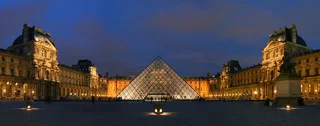
Today the Louvre holds more than 35,000 works, from the Venus de Milo to Géricault's Raft of the Medusa. The crowds, though, press toward one small portrait. In August 1911 it vanished: Vincenzo Peruggia, an Italian handyman who had worked in the museum, lifted Leonardo's Mona Lisa off the wall and carried it out under his coat. For two years the frame hung empty while visitors came to stare at the gap, and the painting returned only in 1913, after Peruggia tried to sell it to a dealer in Florence. I. M. Pei's glass pyramid, set in the courtyard in 1989, now marks the entrance.
More articles
Collection
1,174 works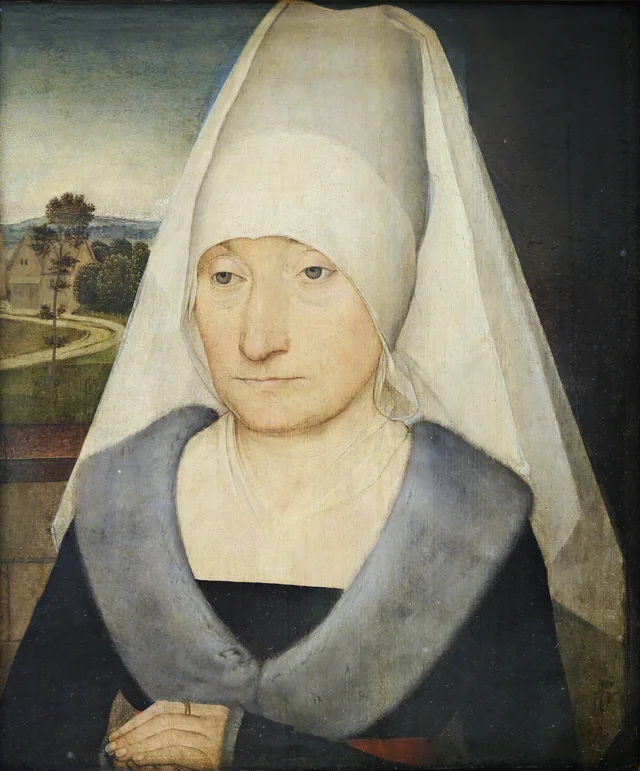 Portrait of an Elderly LadyHans Memling, 1470
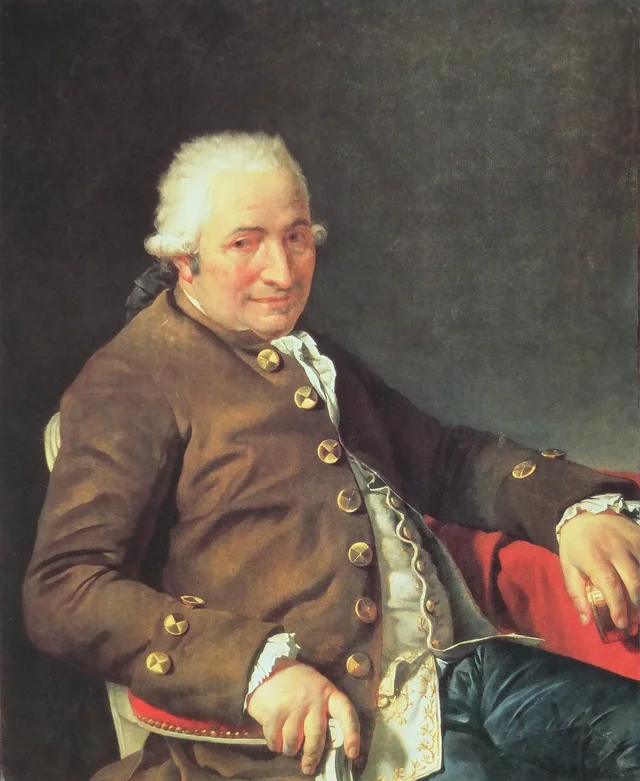 Portrait of Charles-Pierre PécoulJacques-Louis David, 1784
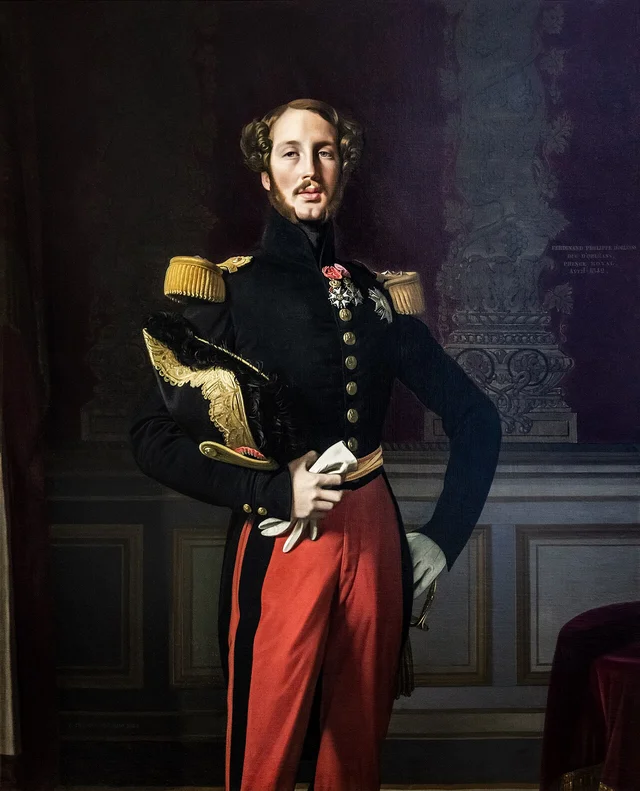 Portrait of Ferdinand-Philippe, Duke of OrleansJean-Auguste-Dominique Ingres, 1842
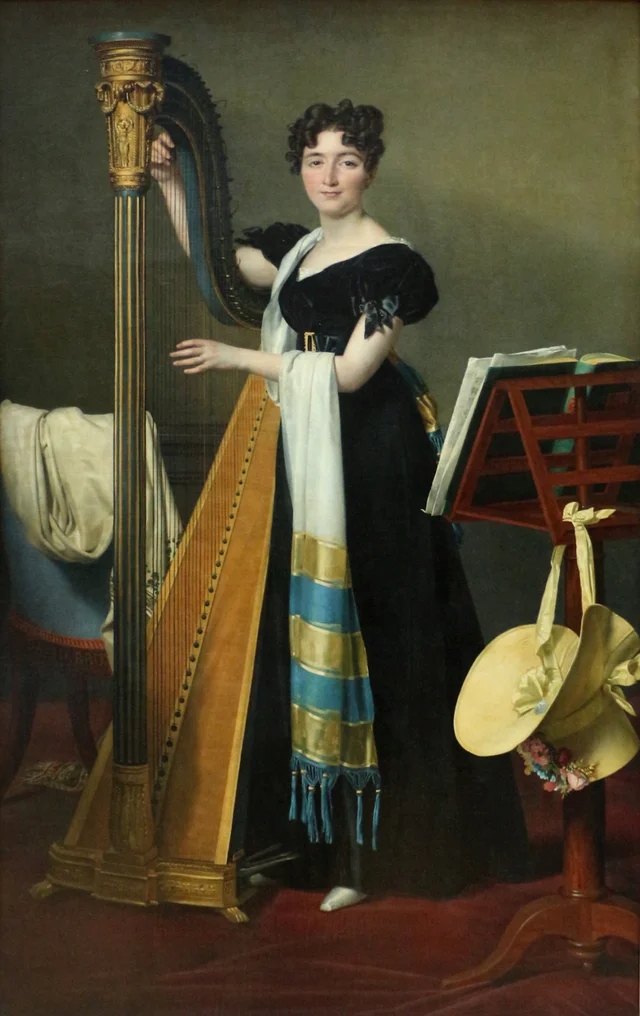 Portrait of Juliette de VilleneuveJacques-Louis David, 1824
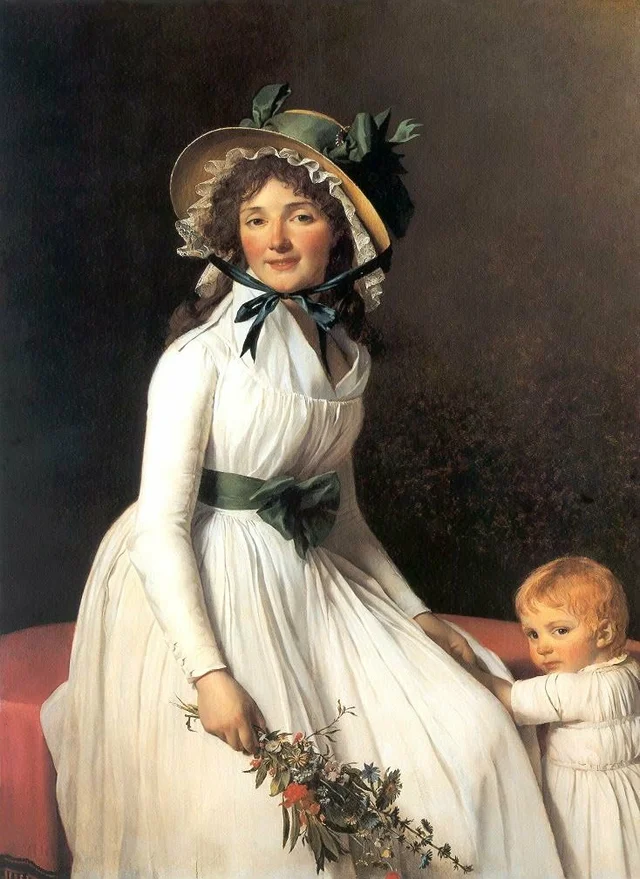 Portrait of Madame Emilie Seriziat and her SonJacques-Louis David, 1795
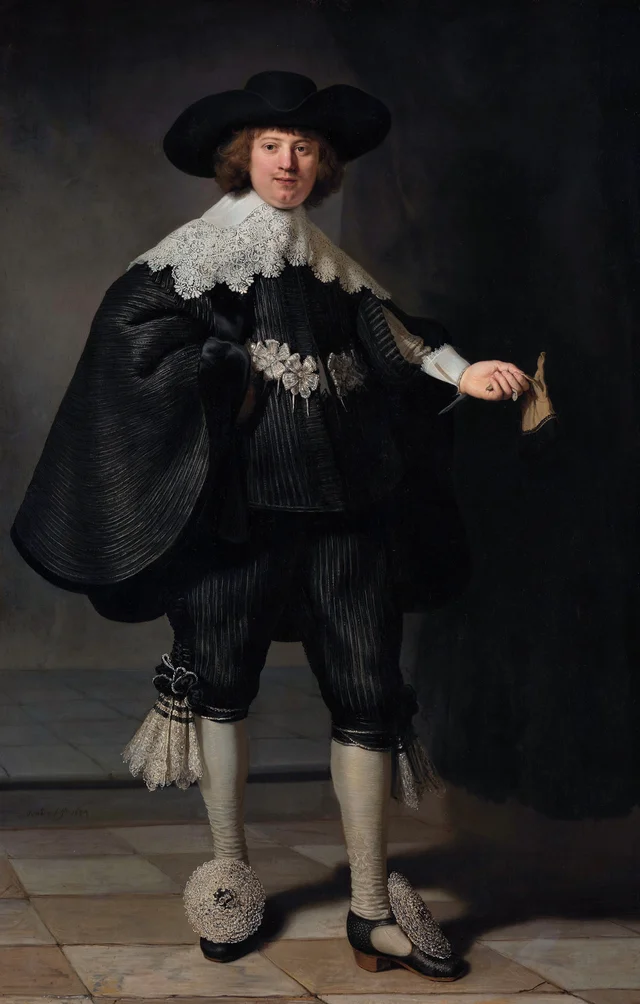 Portrait of Maerten SoolmansRembrandt, 1634
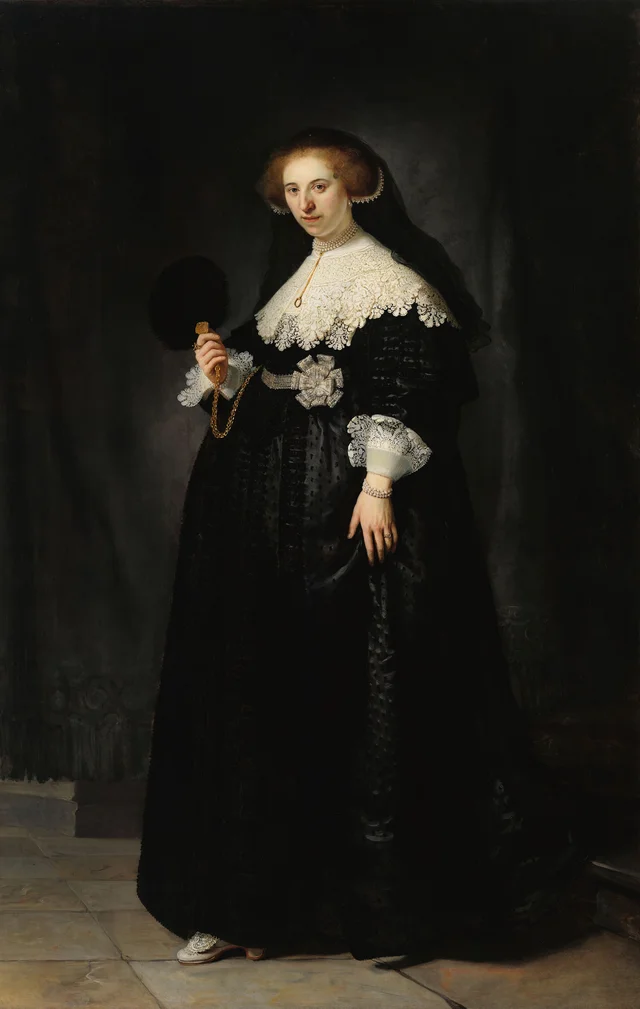 Portrait of Oopjen CoppitRembrandt, 1634
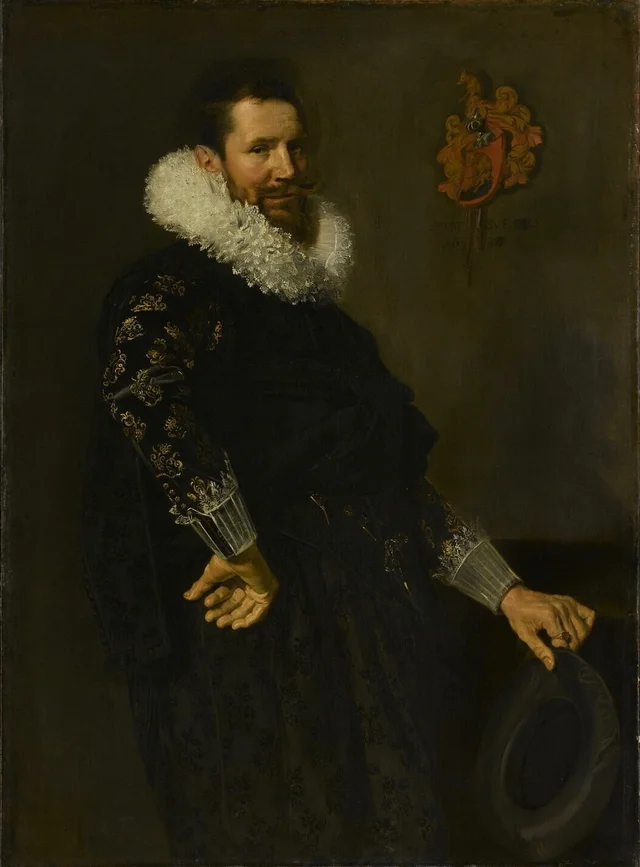 Portrait of Paulus van BeresteynFrans Hals, 1620
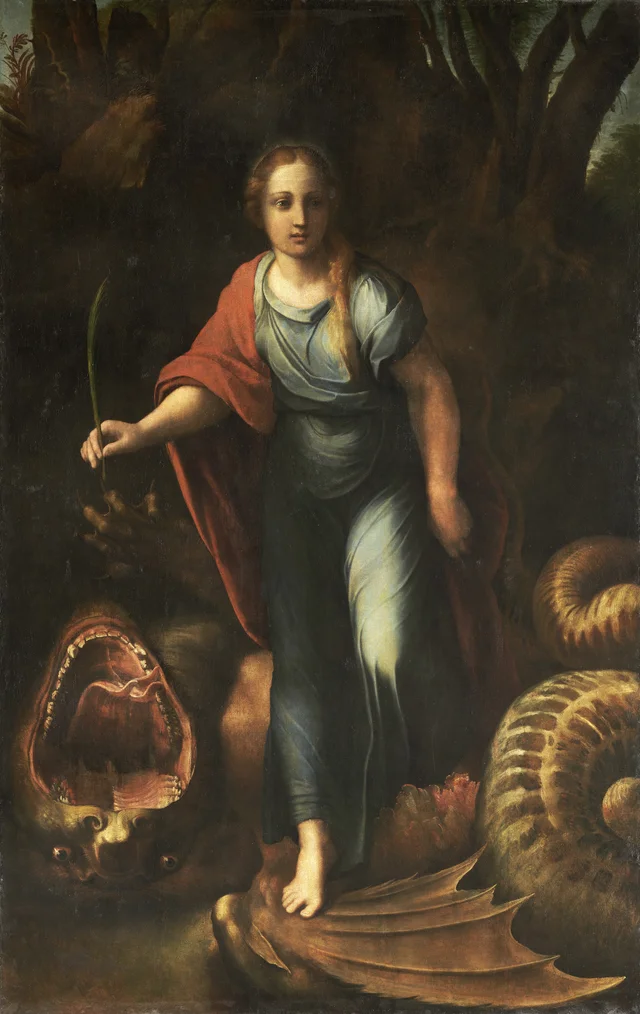 Saint MargaretRaphael, 1518
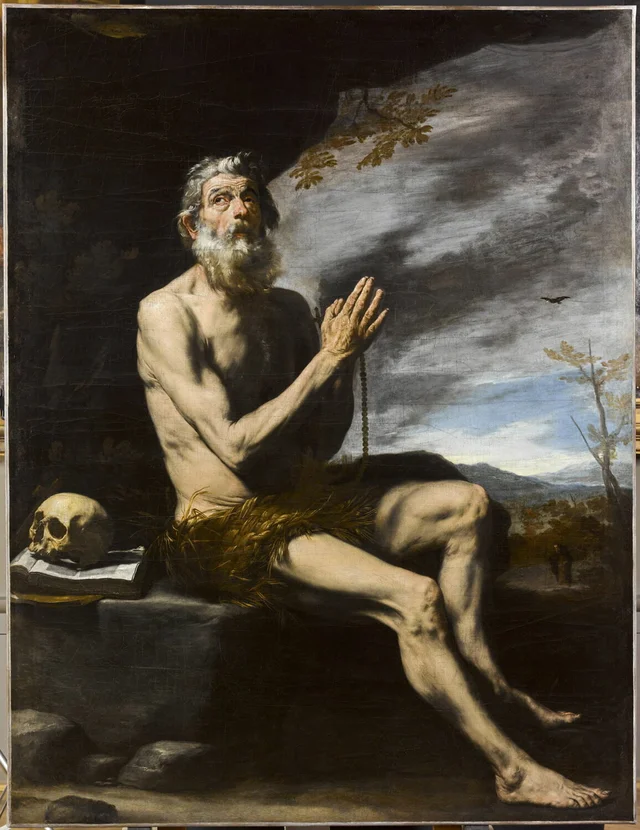 Saint Paul the HermitJusepe de Ribera, 1642
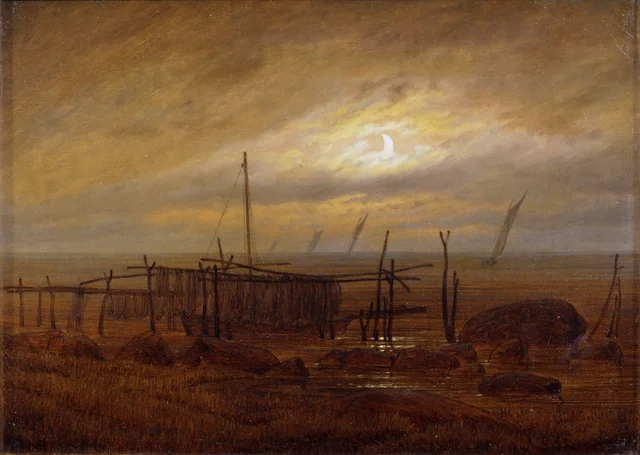 Seaside moonlightCaspar David Friedrich, 1818
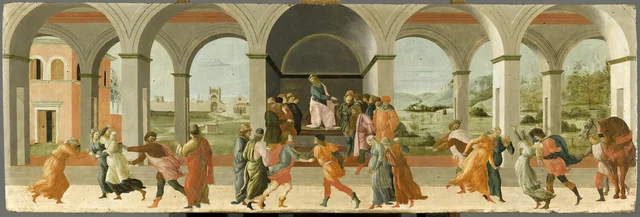 Story of VerginiaFilippino Lippi, 1475
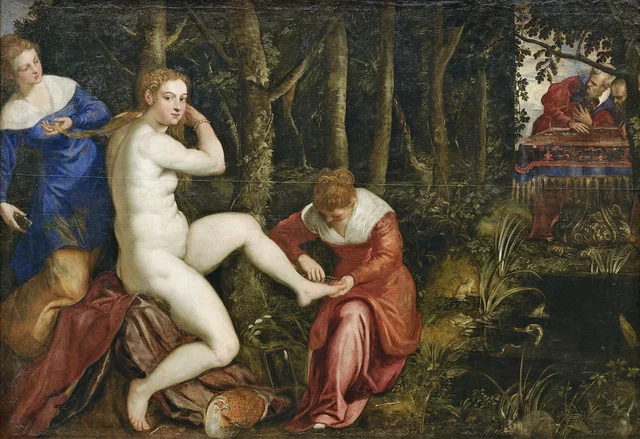 Susannah BathingJacopo Tintoretto, 1550
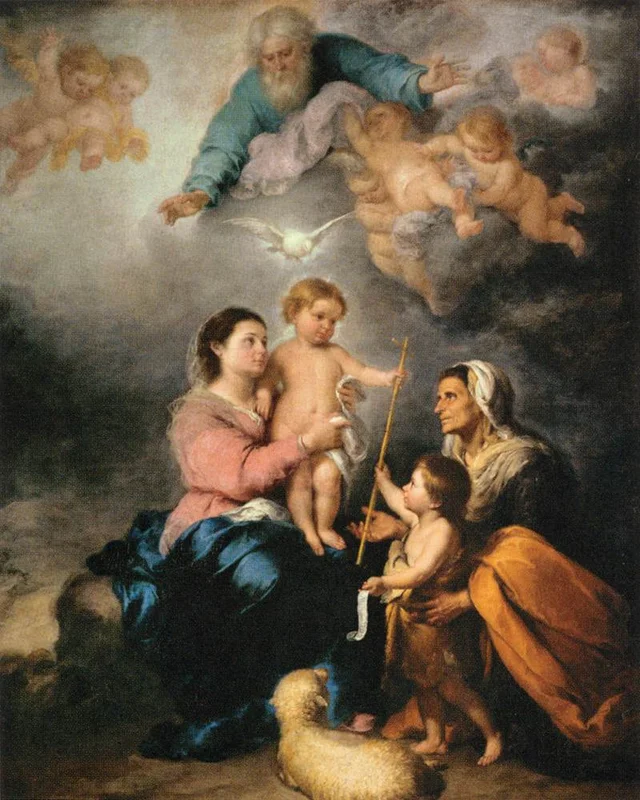 The Holy FamilyBartolomé Esteban Murillo, 1667
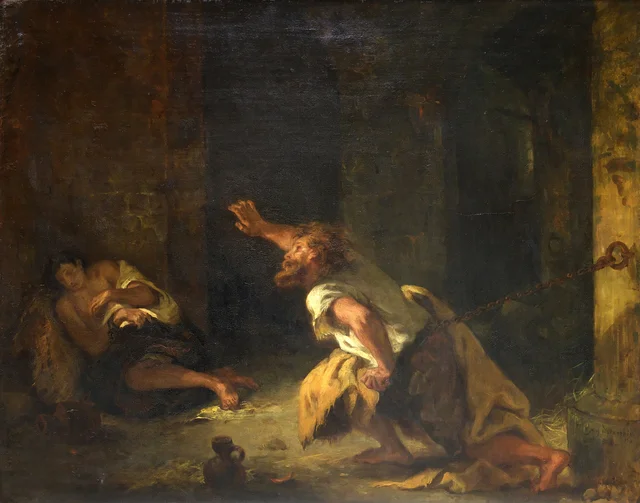 The Prisoner of ChillonEugène Delacroix, 1834
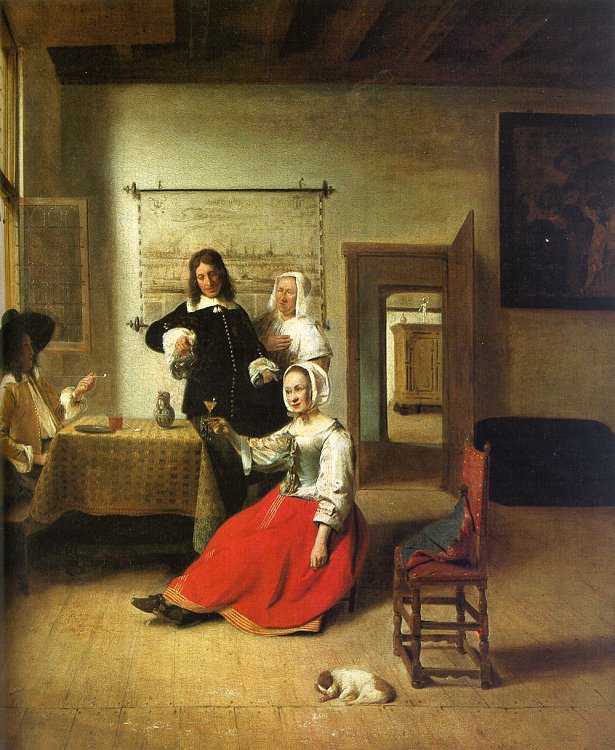 Woman drinking with two men and a maid in an interiorPieter de Hooch, 1658
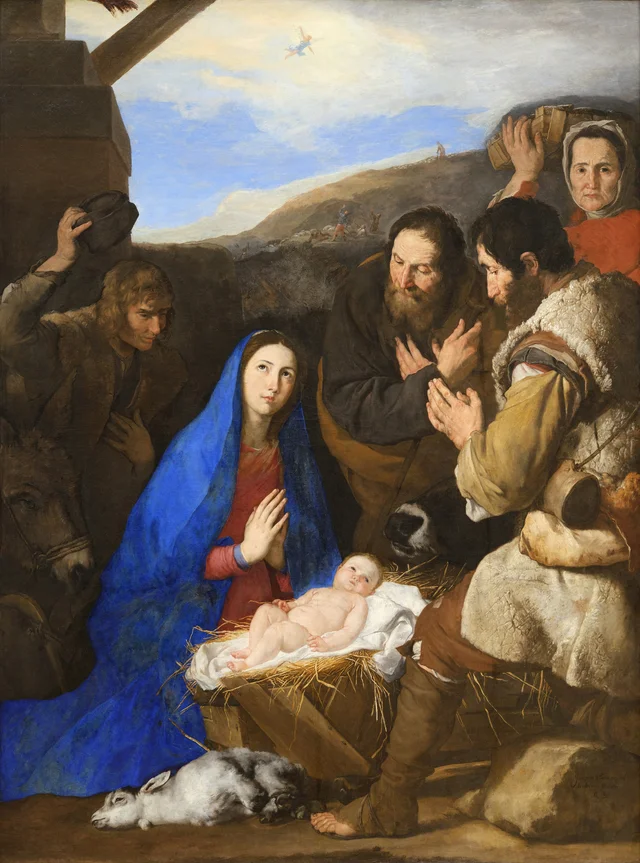 Adoration of the ShepherdsJusepe de Ribera, 1650
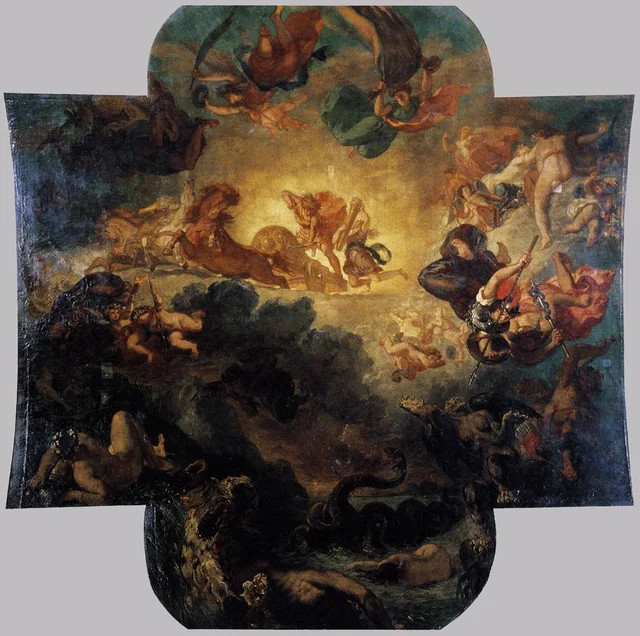 Apollo Vanquishing the PythonEugène Delacroix, 1850
 Bacchanal with a Lute PlayerNicolas Poussin, 1627
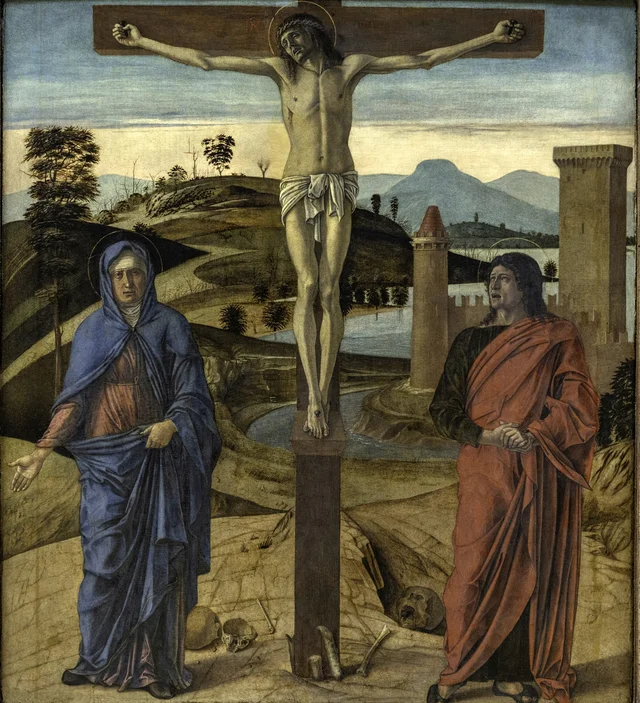 CalvaryGiovanni Bellini, 1467
 Christ and the Woman Taken in AdulteryNicolas Poussin, 1653
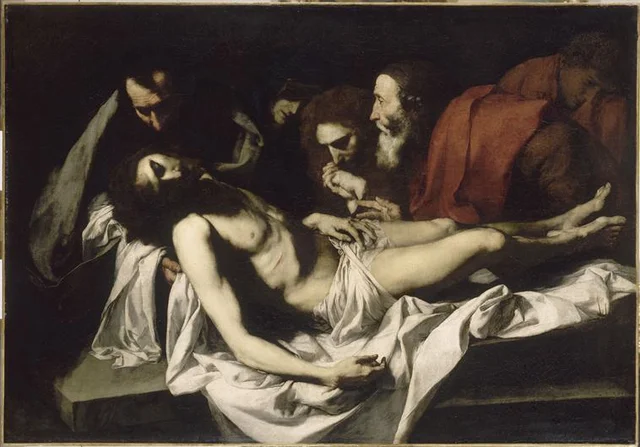 Deposition of ChristJusepe de Ribera, 1628
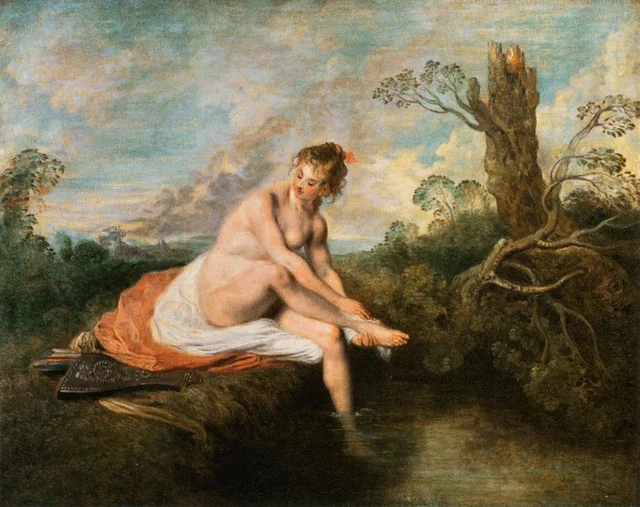 Diana at her BathJean-Antoine Watteau, 1715
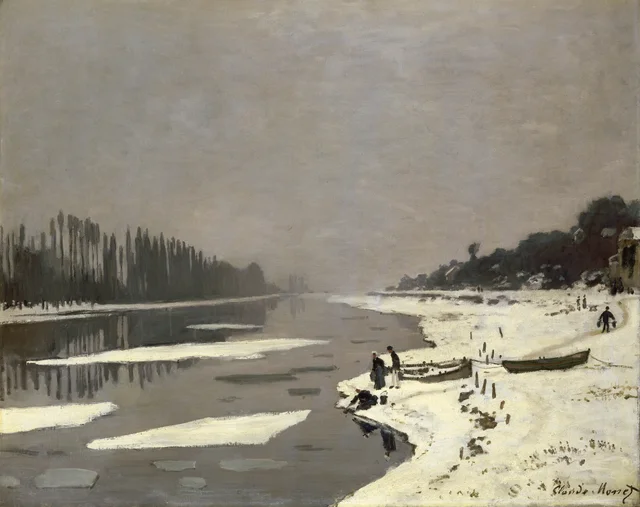 Glaçons à BougivalClaude Monet, 1867
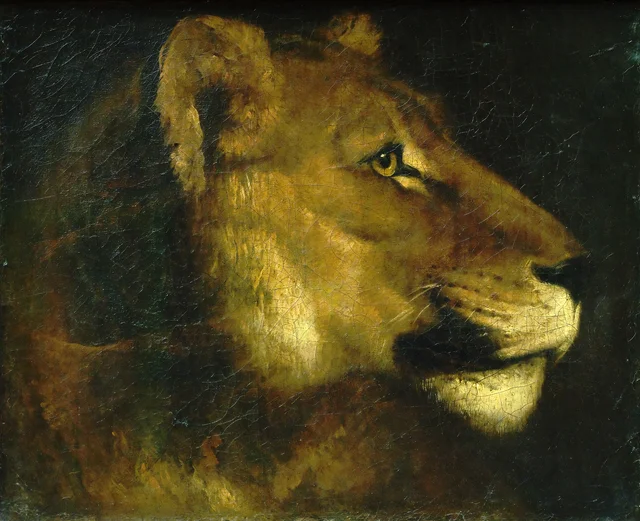 Head of a lionThéodore Géricault, 1819