The story
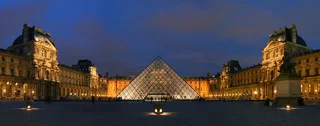
The Louvre began as a fortress. Philip II raised it on the right bank of the Seine around 1190 to guard medieval Paris, and over the following centuries French kings rebuilt it into a royal palace, until Louis XIV moved his court to Versailles in 1682 and left the half-finished halls to the royal collection and the artists lodged inside.
The Revolution turned it into a public museum. On 10 August 1793 the Muséum central des arts opened its doors, showing the confiscated art of the crown and the church to any citizen who wished to walk in. Napoleon filled it with the spoils of his campaigns and briefly renamed it after himself. Much was returned after Waterloo, but the idea held, a national collection arranged for study and free to the public.
Today the Louvre holds more than 35,000 works, from the Venus de Milo to Géricault's Raft of the Medusa. The crowds, though, press toward one small portrait. In August 1911 it vanished: Vincenzo Peruggia, an Italian handyman who had worked in the museum, lifted Leonardo's Mona Lisa off the wall and carried it out under his coat. For two years the frame hung empty while visitors came to stare at the gap, and the painting returned only in 1913, after Peruggia tried to sell it to a dealer in Florence. I. M. Pei's glass pyramid, set in the courtyard in 1989, now marks the entrance.
More articles
Collection
1,174 works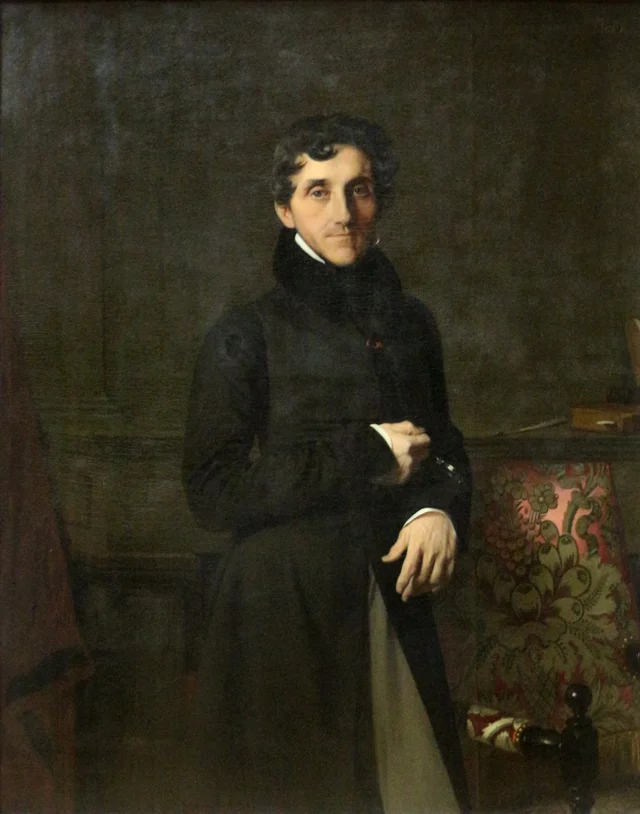 Portrait of Louis-Mathieu MoléJean-Auguste-Dominique Ingres, 1834
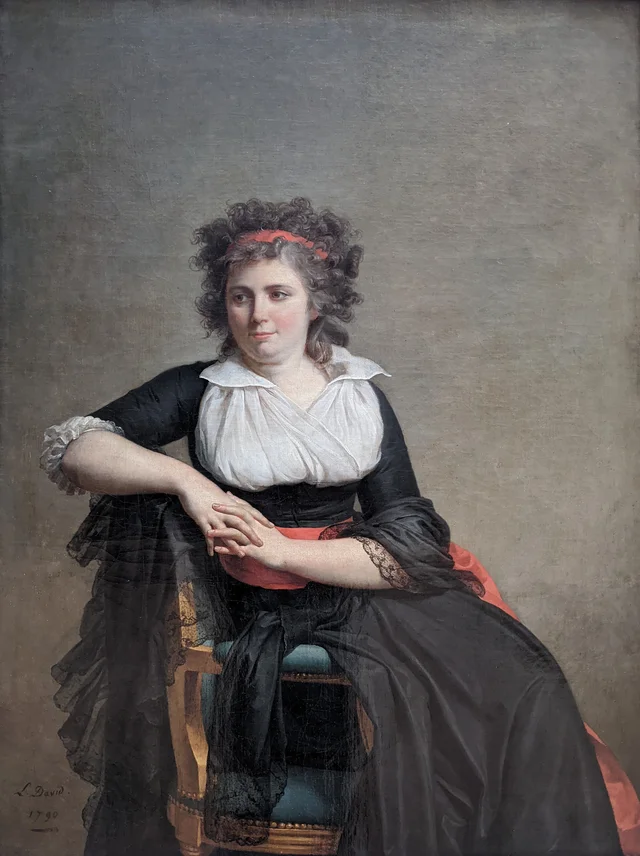 Portrait of the Marquise d'OrvilliersJacques-Louis David, 1790
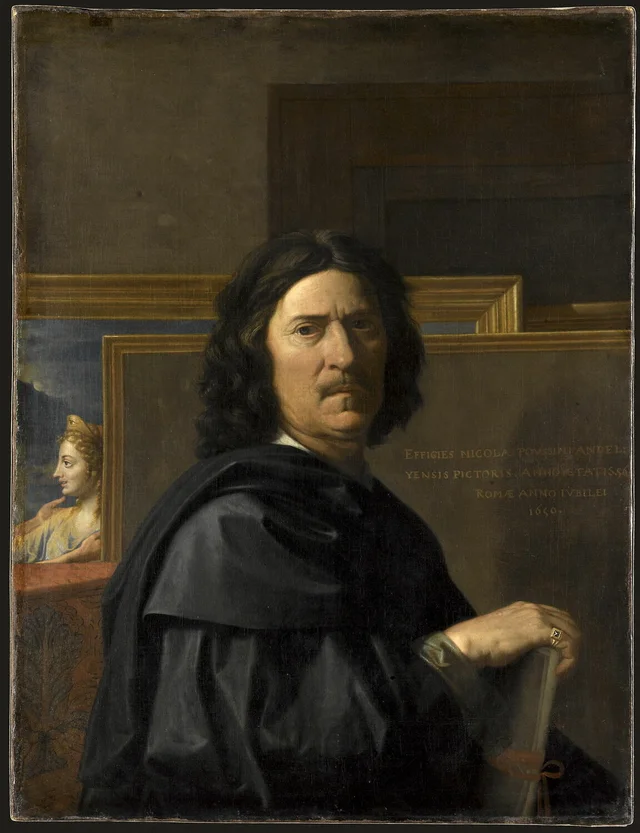 Self-portraitNicolas Poussin, 1650
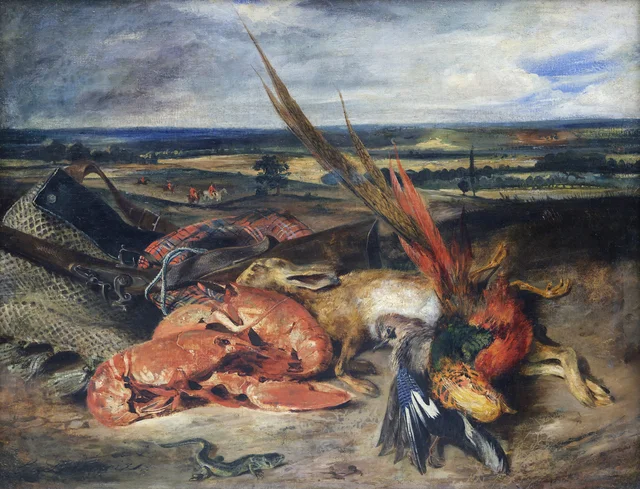 Still Life with Lobster and Hunting and Fishing TrophiesEugène Delacroix, 1827
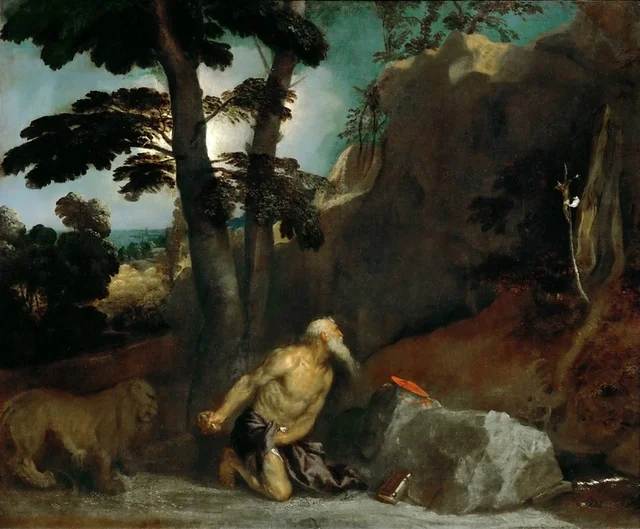 St. Jerome in PenitenceTitian, 1531
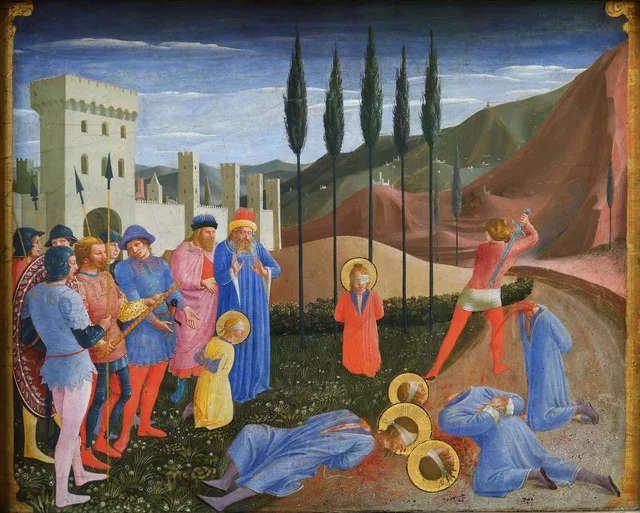 The Beheading of Saints Cosmas and DamianFra Angelico, 1443
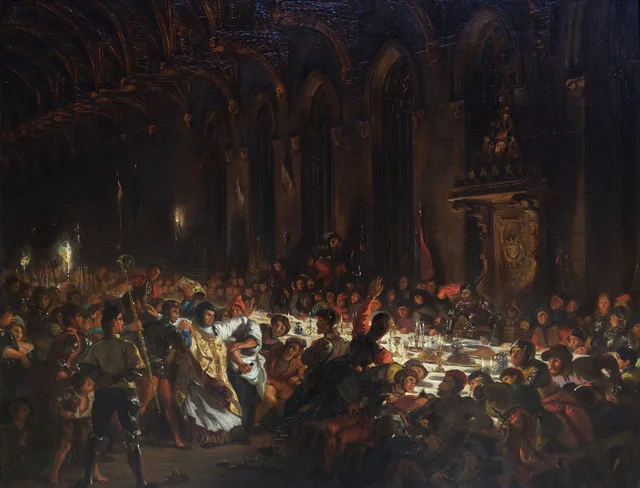 The Murder of the Bishop of LiègeEugène Delacroix, 1828
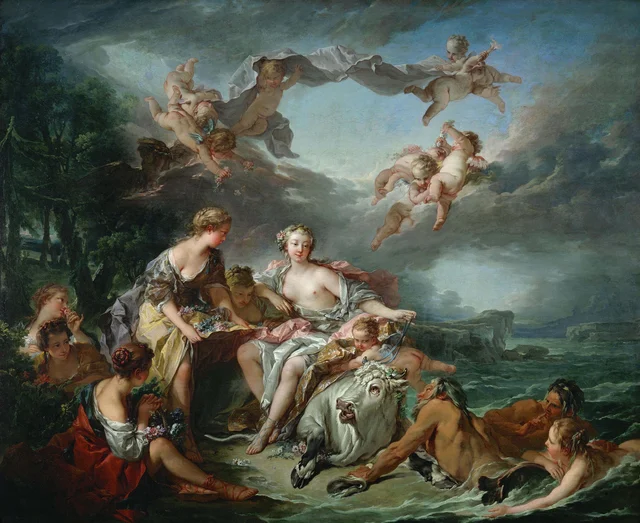 The Rape of Europa or Abduction of EuropaFrançois Boucher, 1747
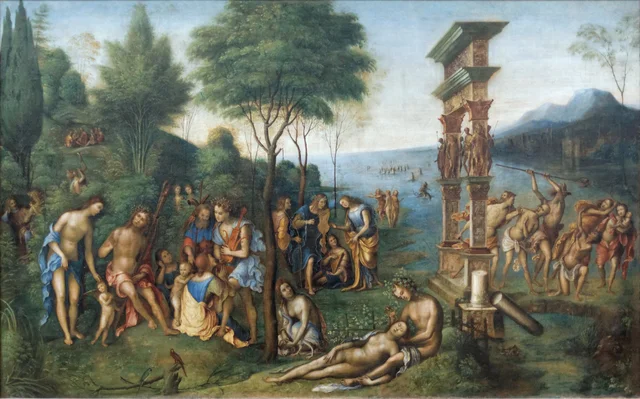 The Reign of ComusLorenzo Costa, 1511
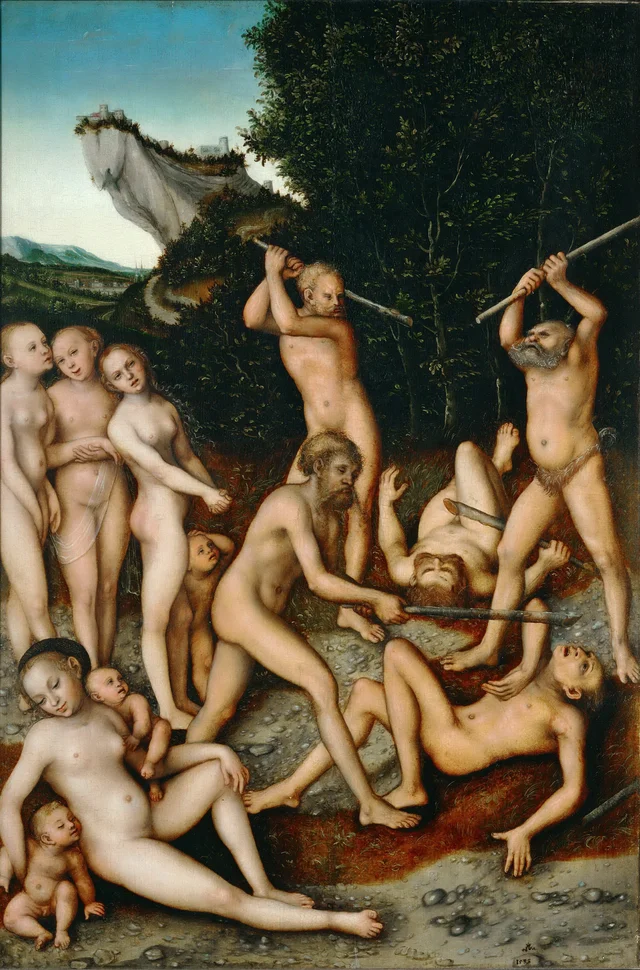 The Silver AgeLucas Cranach the Elder, 1535
 The Triumph of FloraNicolas Poussin, 1627
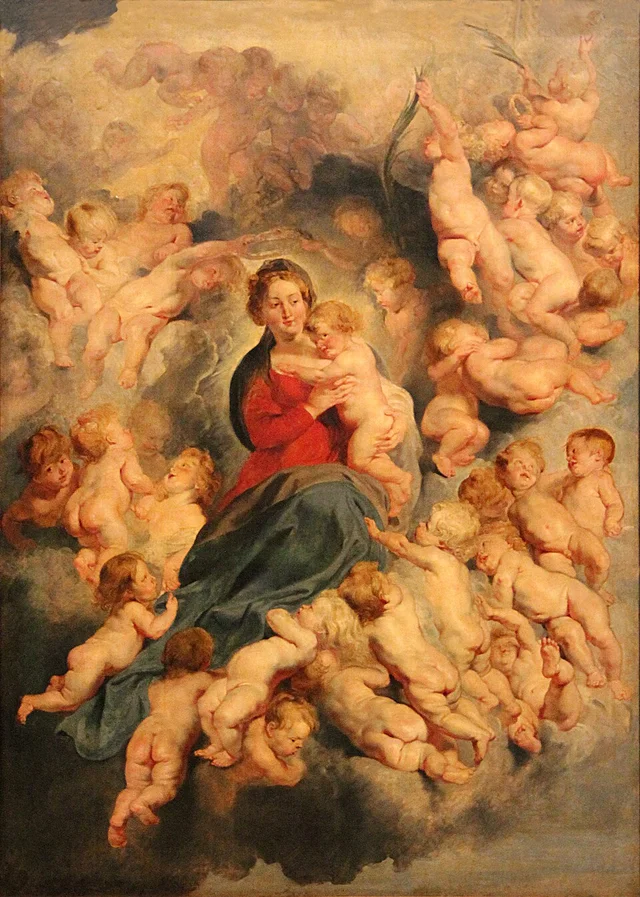 The Virgin and Child surrounded by the Holy InnocentsPeter Paul Rubens, 1618
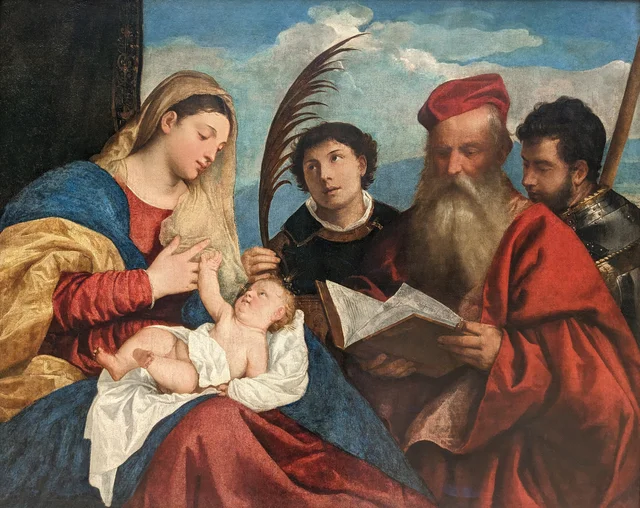 Virgin and Child with Saints Stephen, Jerome and MauriceTitian, 1517
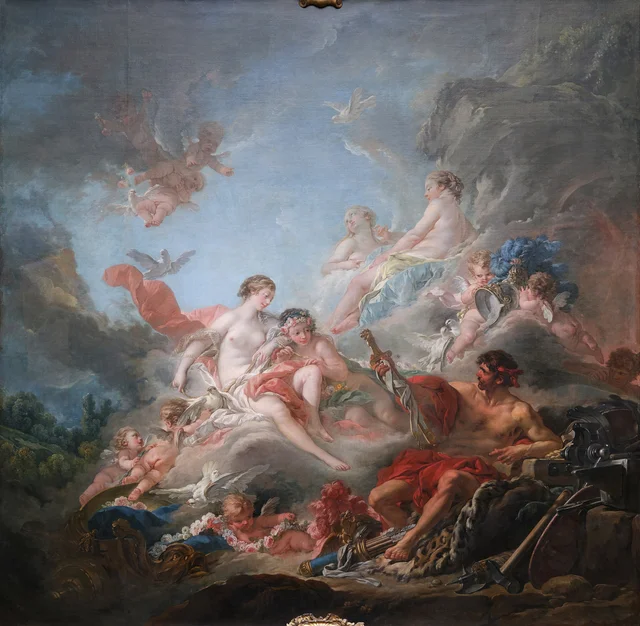 Vulcan Presenting Venus with Arms for AeneasFrançois Boucher, 1757
 WinterNicolas Poussin, 1662
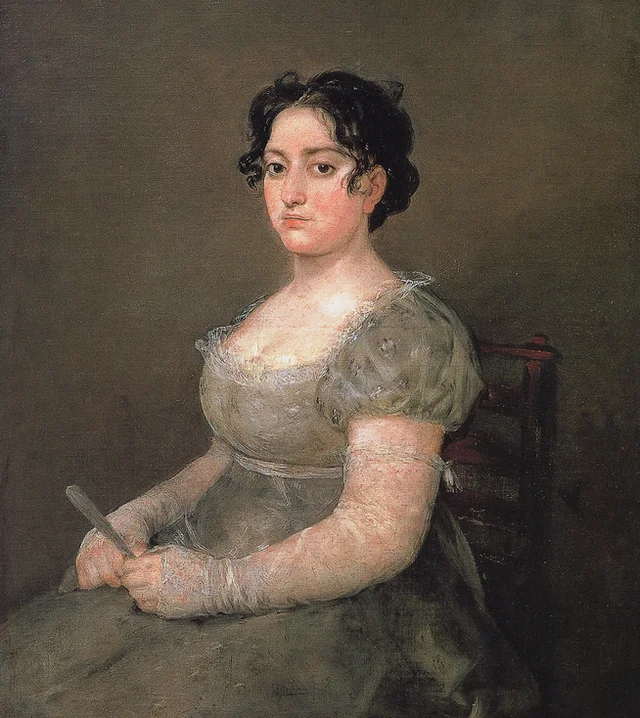 Woman with a FanFrancisco Goya, 1805
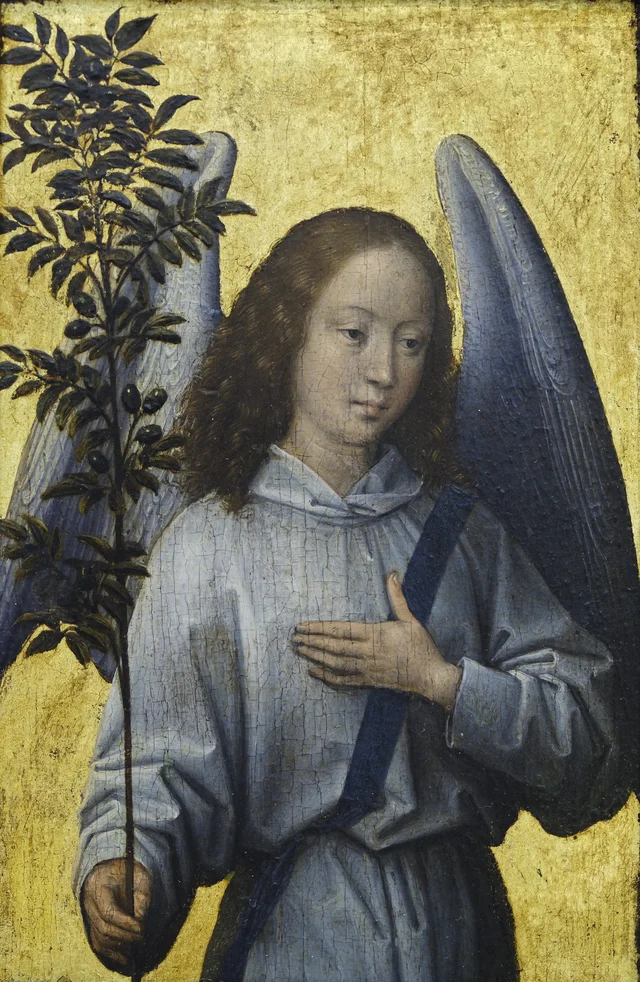 Angel with an Olive BranchHans Memling, 1477
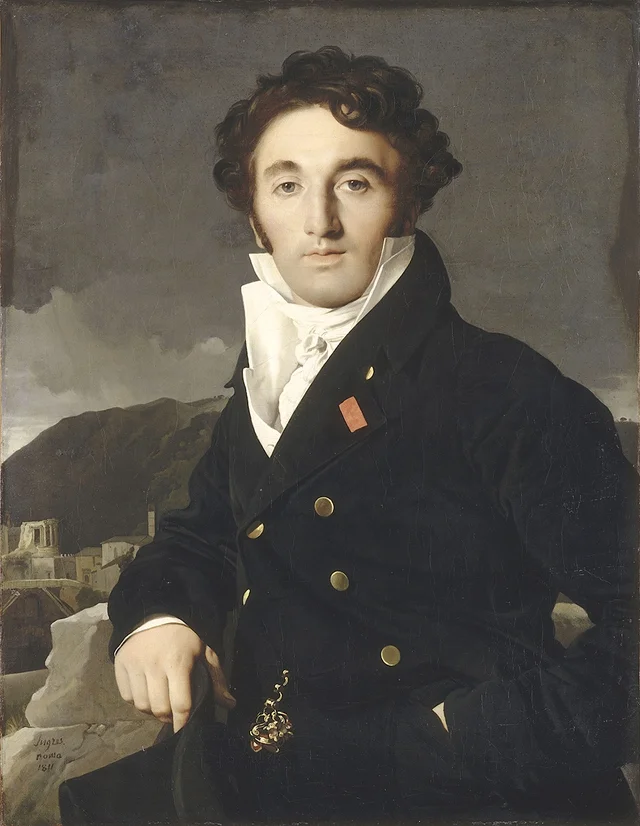 Charles CordierJean-Auguste-Dominique Ingres, 1811
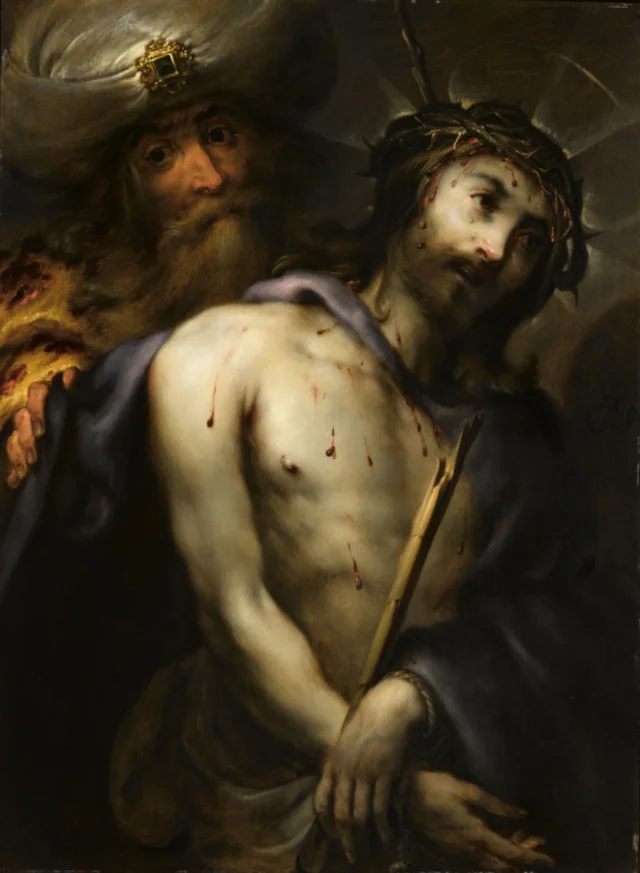 Ecce HomoJan Cossiers, 1620
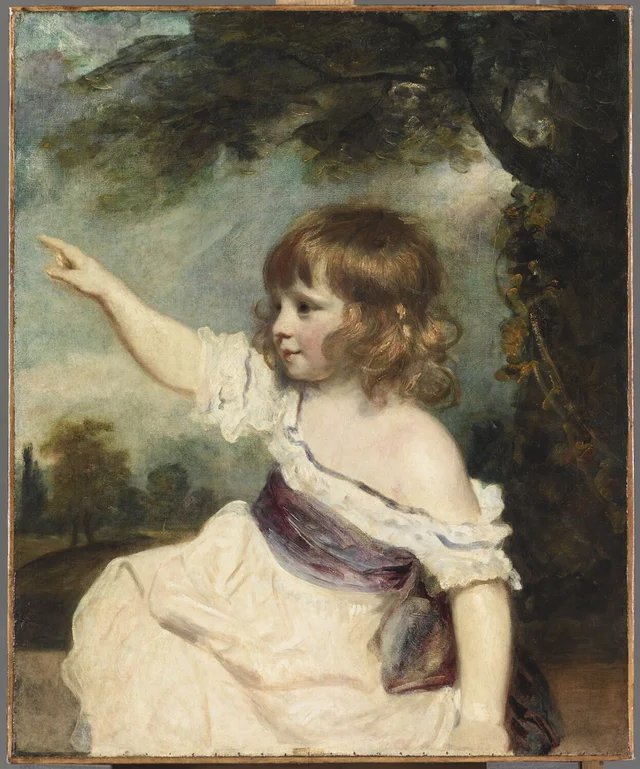 Francis George Hare, aka Master Hare, as childJoshua Reynolds, 1788
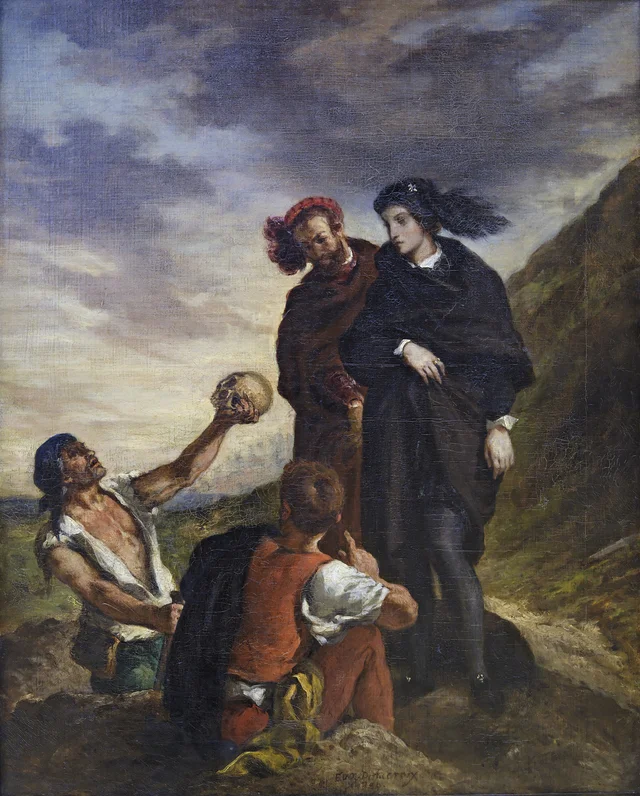 Hamlet and Horatio in the GraveyardEugène Delacroix, 1839
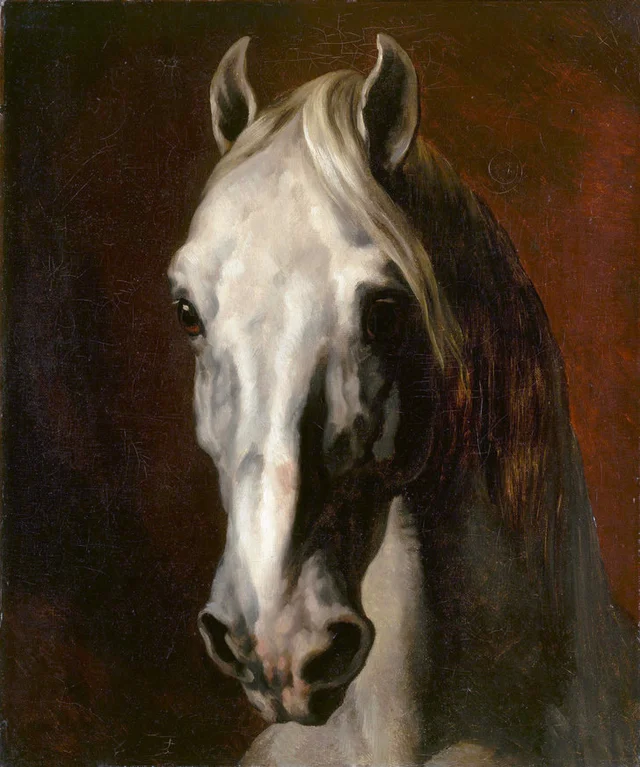 Head of a white horseThéodore Géricault, 1811
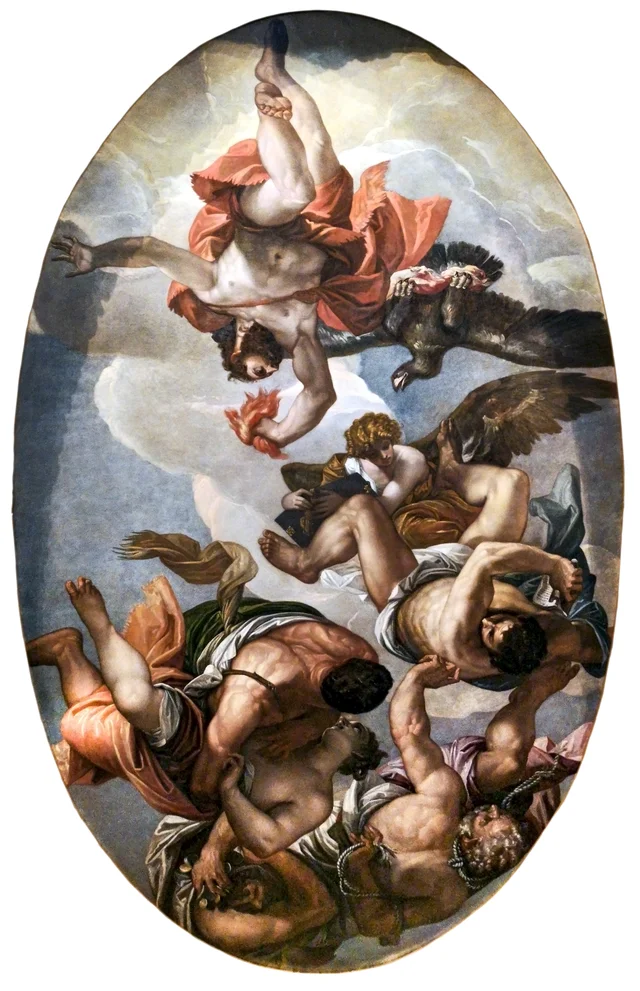 Jupiter Hurling Thunderbolts at the VicesPaolo Veronese, 1553
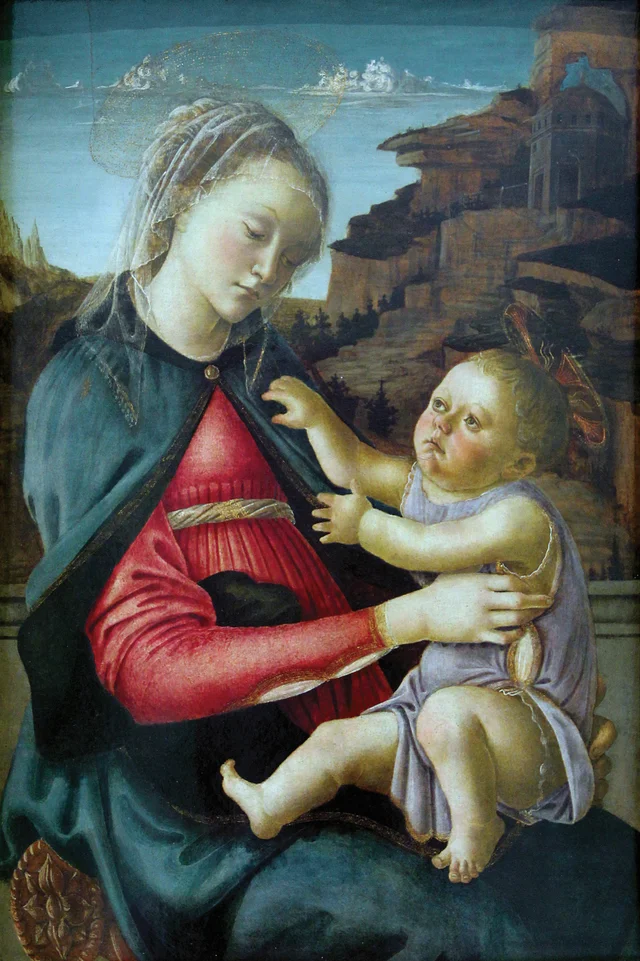 Madonna and ChildSandro Botticelli, 1465
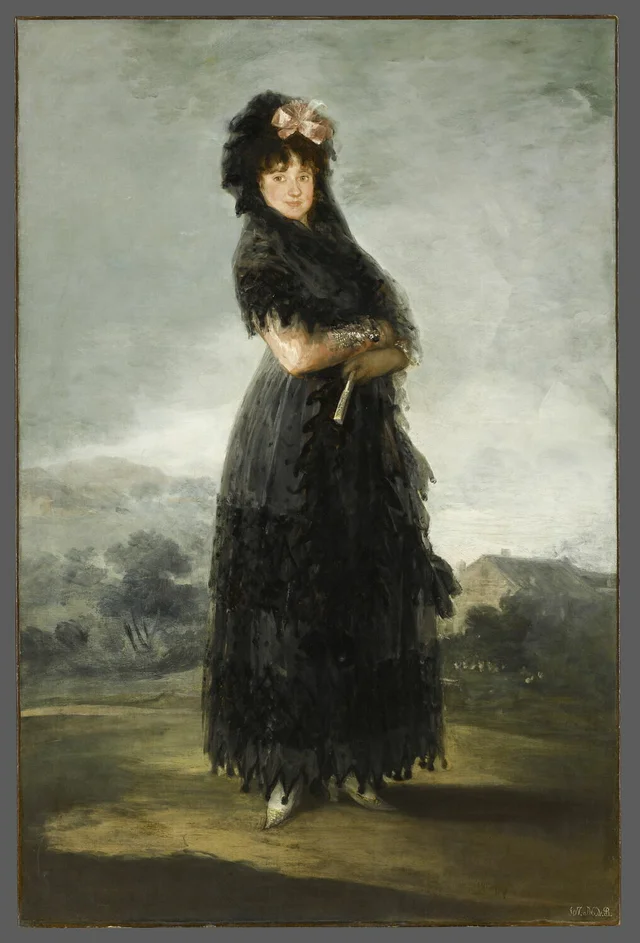 Mariana Waldstein, Ninth Marquesa de Santa CruzFrancisco Goya, 1797