The story
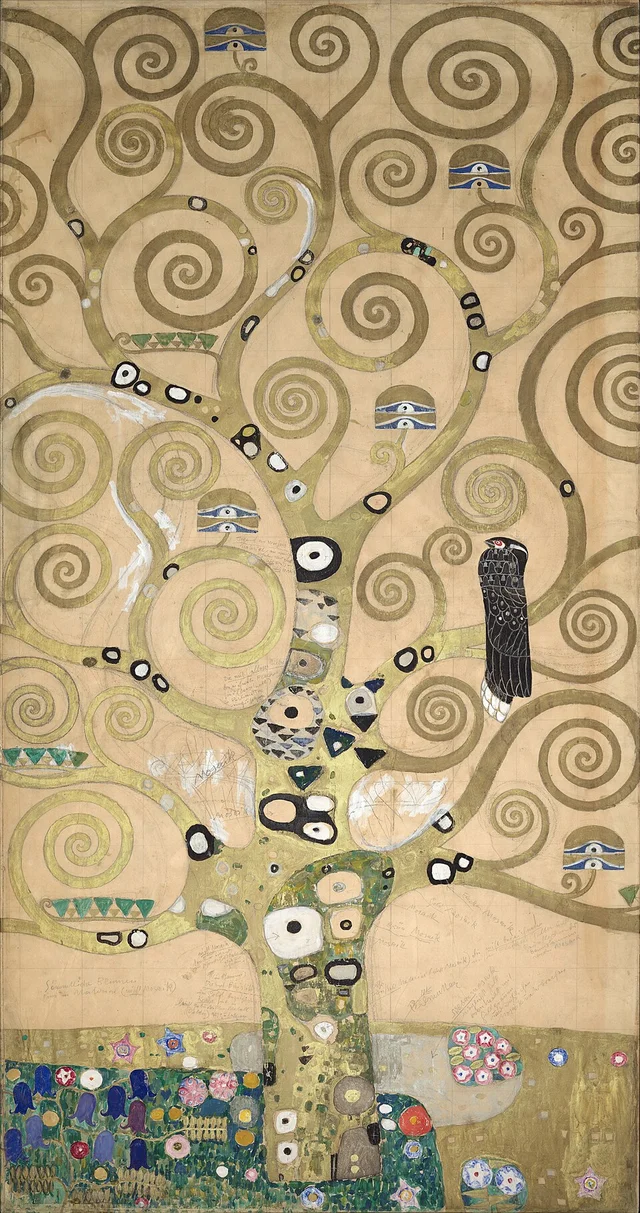
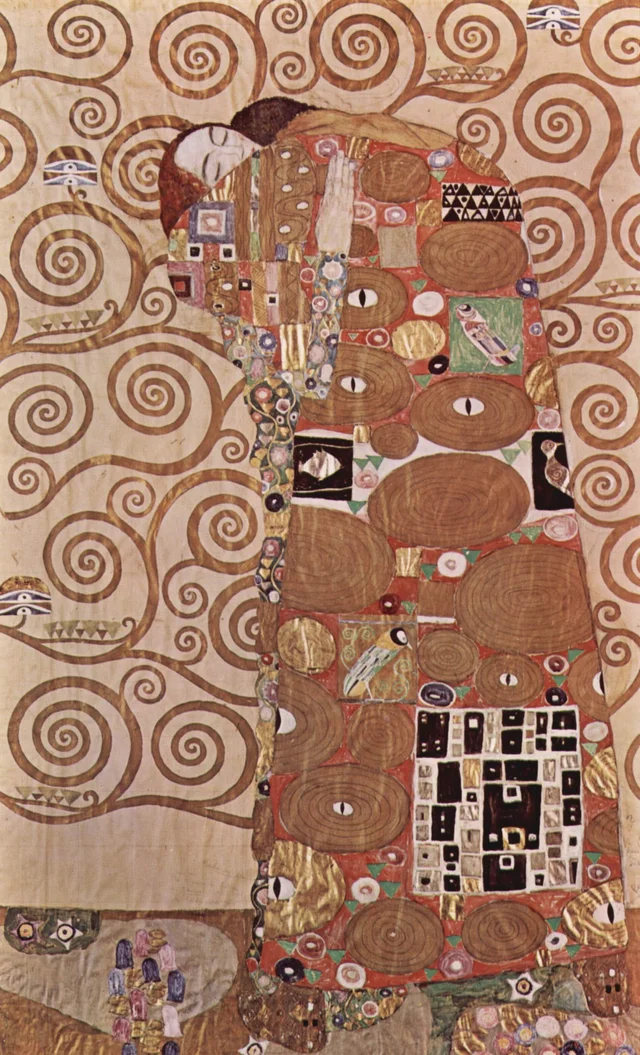
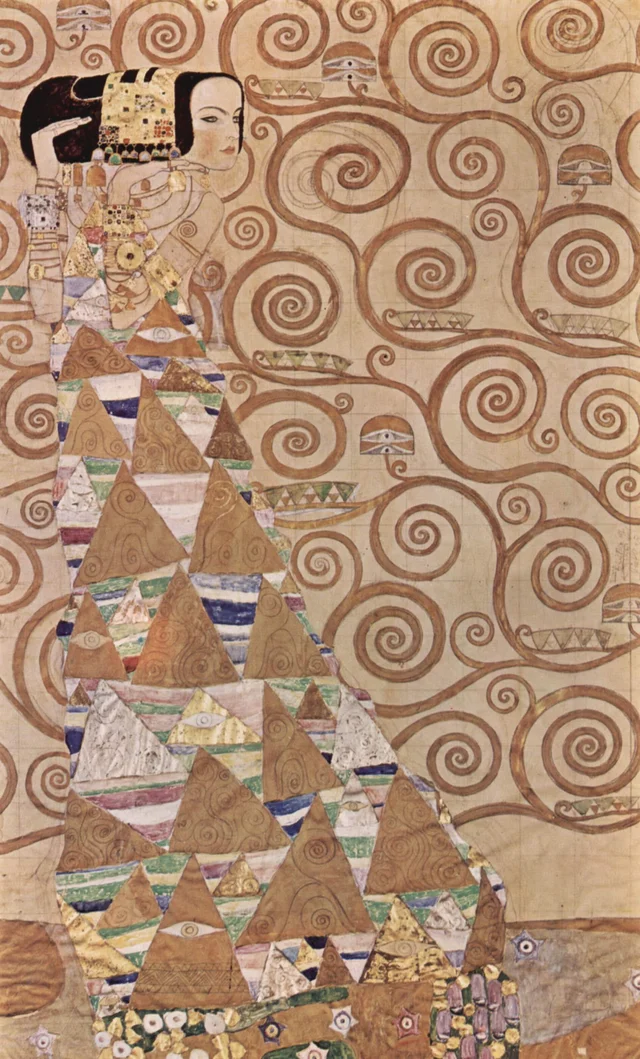
On the walls of the MAK on Vienna's Ringstrasse hang long sheets of paper covered in golden spirals, birds and curling branches. They are Gustav Klimt's full-size working drawings for the mosaic frieze in the dining room of the Palais Stoclet, a Brussels mansion designed by the Viennese architect Josef Hoffmann. Klimt wrote instructions on them for the craftsman Leopold Forstner, who carried the design out in marble, enamel, mother-of-pearl and gold leaf. The mosaic itself is inside a private house, so these sheets, with the Tree of Life, the waiting figure of Expectation and the embracing couple of Fulfilment, are where most people actually see it.
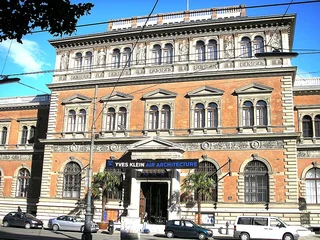
That meeting of artist and workshop runs through the whole museum. It was founded in 1863 as Austria's museum of art and industry, modelled on London's South Kensington Museum, today's V&A, to give designers and manufacturers good examples to learn from. Its building on the Ring, by the architect Heinrich von Ferstel, opened in 1871. The rooms move through Renaissance furniture and Baroque interiors to bentwood chairs by the Thonet firm and the silver, jewellery and textiles of the Wiener Werkstätte, the Vienna workshop Hoffmann co-founded in 1903.
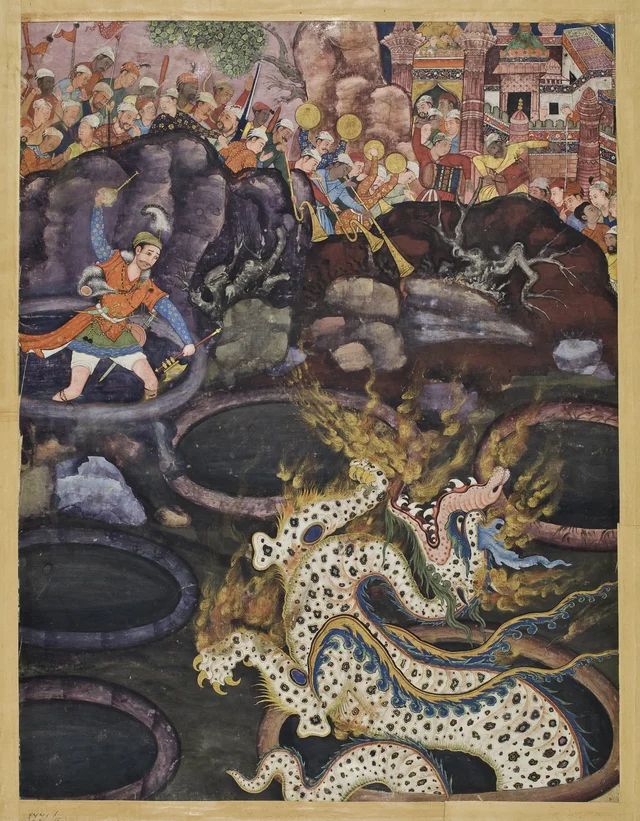
The Asian collection holds a surprise. Around 60 painted pages from the Hamzanama, the huge illustrated adventure of the hero Hamza commissioned by the Mughal emperor Akbar in the 16th century, belong to the MAK, the largest group of its surviving pages in any one collection. One of them shows Hamza's companion Umar fighting a dragon, painted by Daswanth, one of the leading artists of Akbar's workshop.