The story
In 1948 a Croatian-born collector and dealer named Ante Topić Mimara turned up at the American collecting point in Munich, where works seized by the Nazis were being sorted for return to their owners. Presenting himself as acting for Yugoslavia, he submitted a list of 166 objects he said had been taken from his country, and they were handed over to him in 1949. By the time the Americans found that the claims did not hold, the man and the objects were gone.
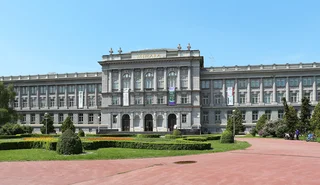
That episode still hangs over the museum that carries his name. Mimara signed a gift agreement with Croatia, then part of Yugoslavia, in 1973, and the museum opened in July 1987, a few months after his death, in a large neo-Renaissance school building of 1895 on Roosevelt Square in central Zagreb. It holds more than 3,700 objects, from archaeological finds and glass to Asian art, European sculpture and painting. When it opened, critics such as Thomas Hoving, the former director of the Metropolitan Museum in New York, questioned many of the attributions, and the museum has always stood by its collection. Hoving knew Mimara well. In 1963 he had bought the carved ivory Cloisters Cross from him for the Met.
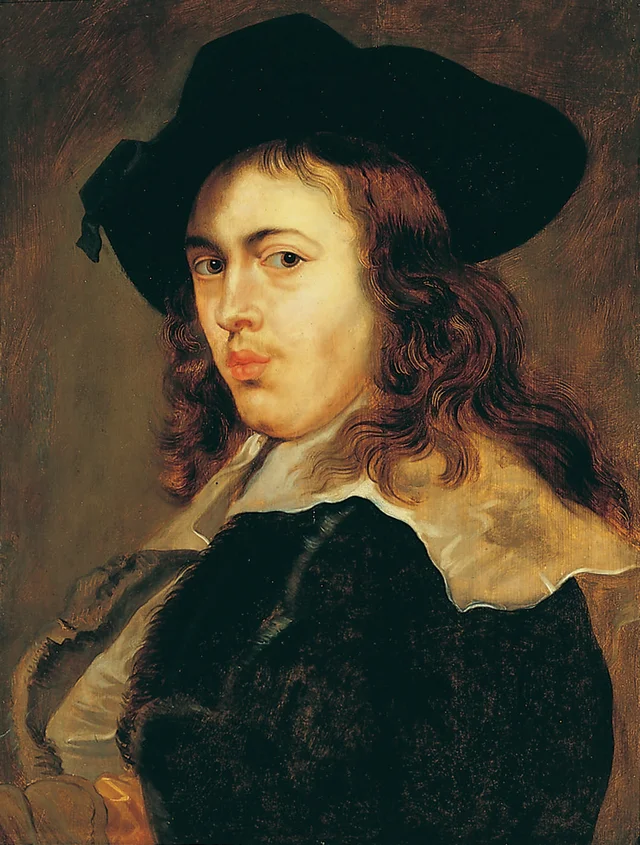
Among the paintings is a small portrait the museum attributes to Peter Paul Rubens, showing his son Nicolaas and dated around 1636. It came with the founding gift and has been in the permanent galleries since the opening.