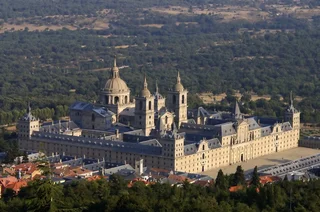
Monastery and Site of the Escurial, Madrid
San Lorenzo de El Escorial, Spain
The story
When Philip the Second ruled an empire on which the sun famously never set, he built himself something austere to run it from. The Escorial, finished in 1584 in the hills northwest of Madrid, is monastery, palace, royal mausoleum and library at once, a vast grey granite grid designed largely by Juan de Herrera, whose plain, unornamented style set the tone for Spanish building for a century.
Inside that severe shell is a great deal of art. Philip and his successors filled it with paintings by Titian, El Greco, Bosch and Veronese, and the basilica's altar and the library's frescoed ceiling turn the austerity inside out. Beneath the church, the Pantheon of the Kings holds the bodies of most Spanish monarchs since Charles the Fifth in tiers of marble and bronze.
Philip ran his empire from a small set of private rooms here, and had his bedroom placed so he could see the basilica's high altar from his bed as he lay dying in 1598.
Collection
11 works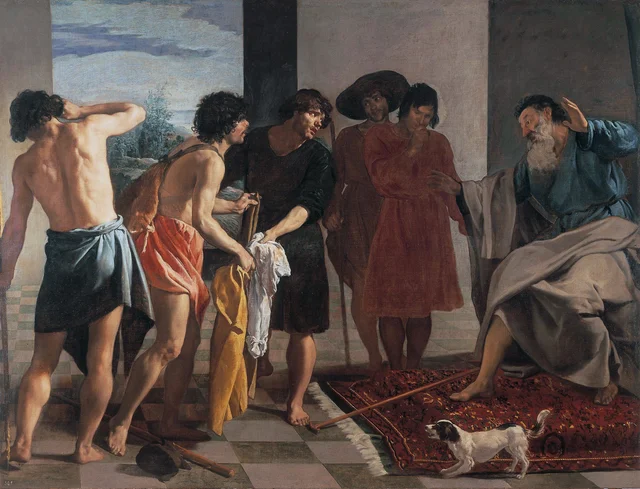 Joseph's TunicDiego Velázquez, 1630
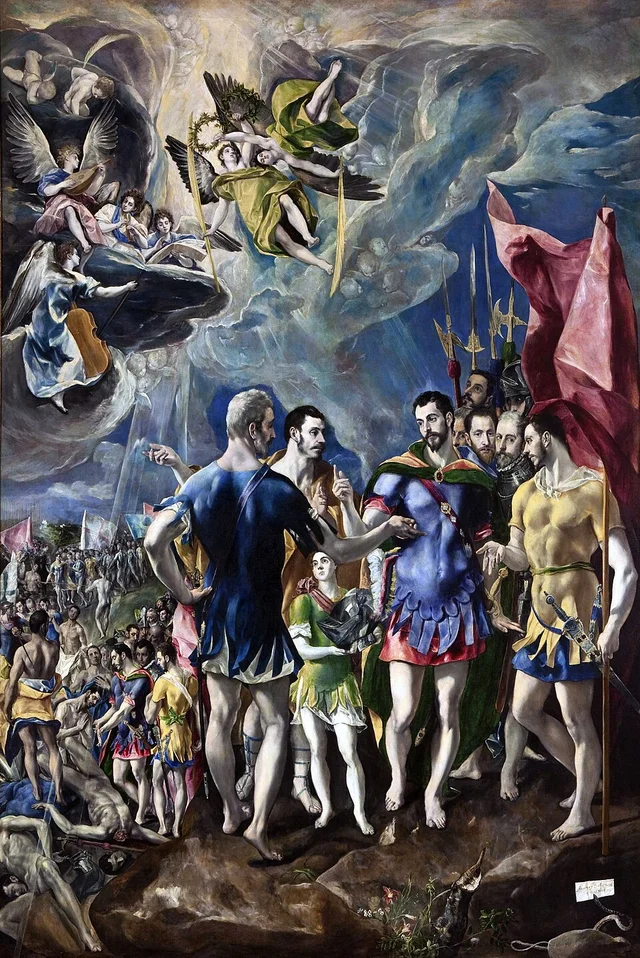 The Martyrdom of St. MauriceEl Greco, 1580
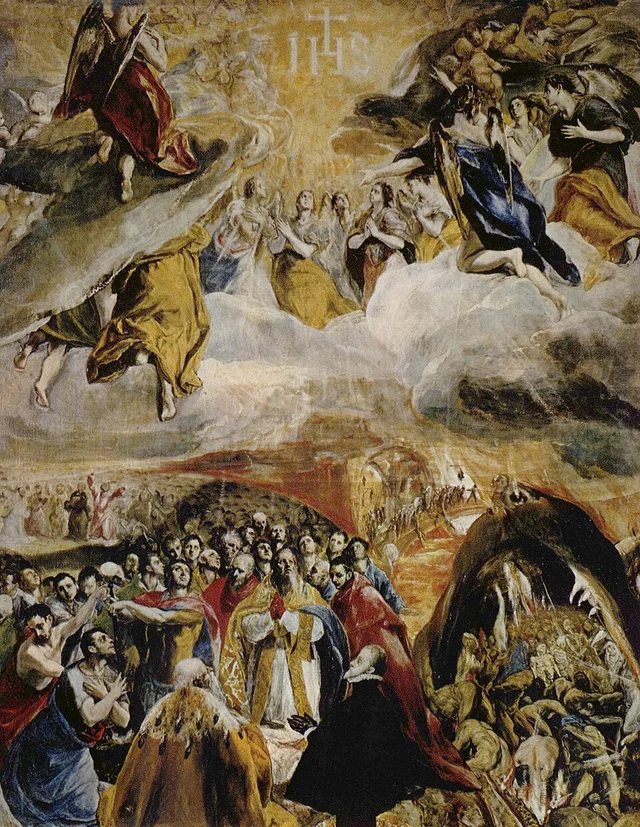 Adoration of the name of JesusEl Greco, 1577
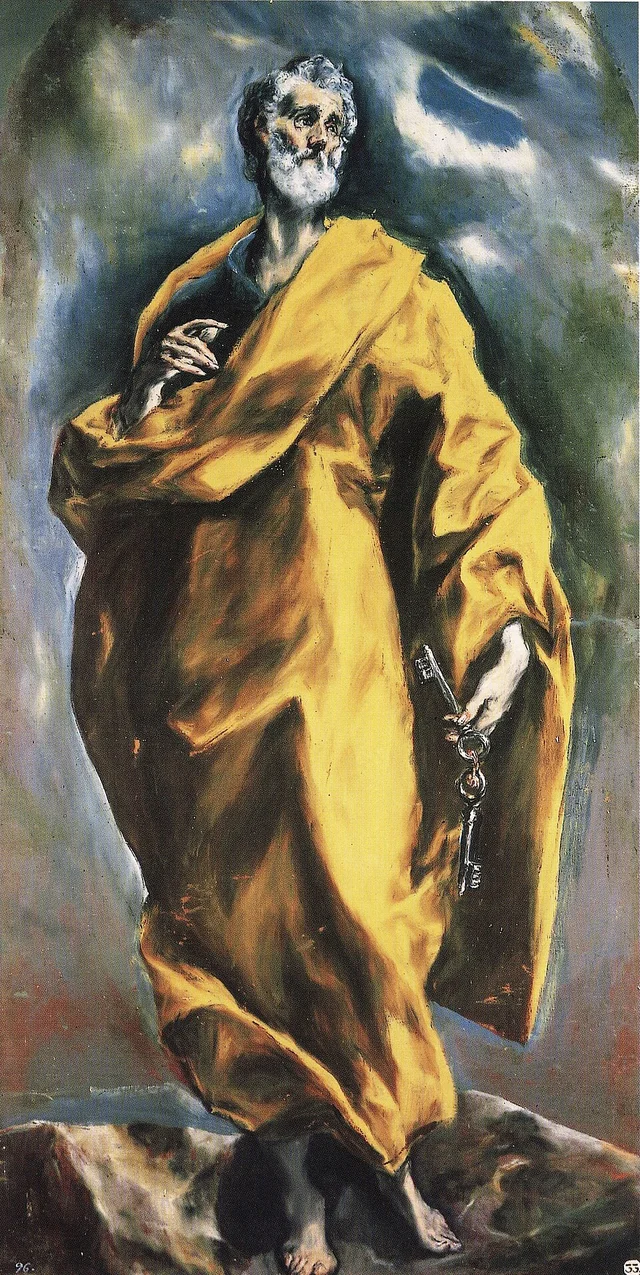 Saint Peter (1608)El Greco, 1608
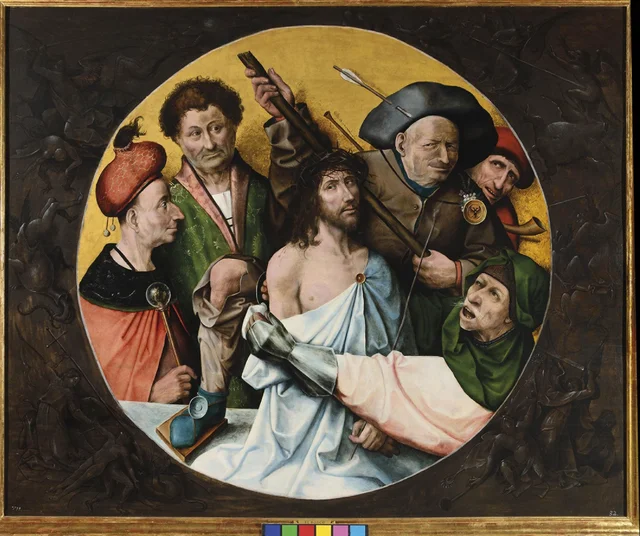 Christ Crowned with ThornsFollower of Hieronymus Bosch, 1530
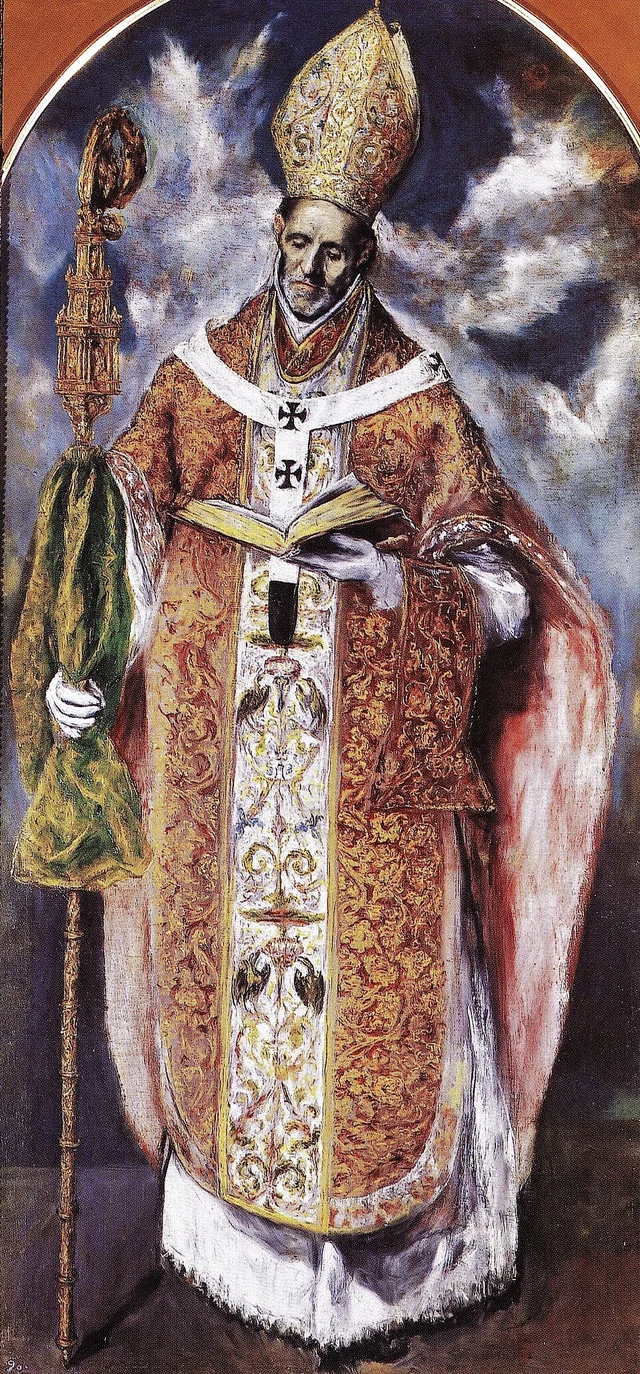 Saint Ildefonso of ToledoEl Greco, 1609
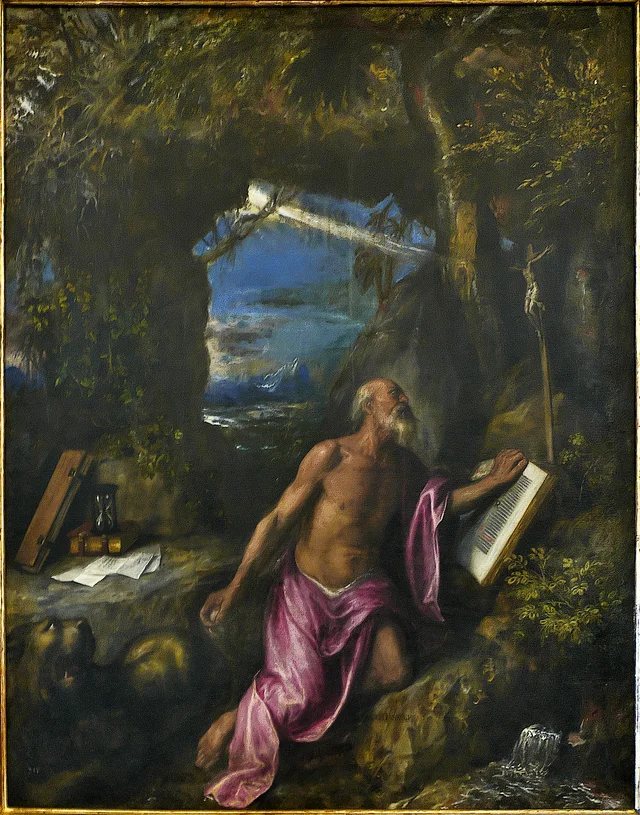 Saint Jerome in PenitenceTitian, 1575
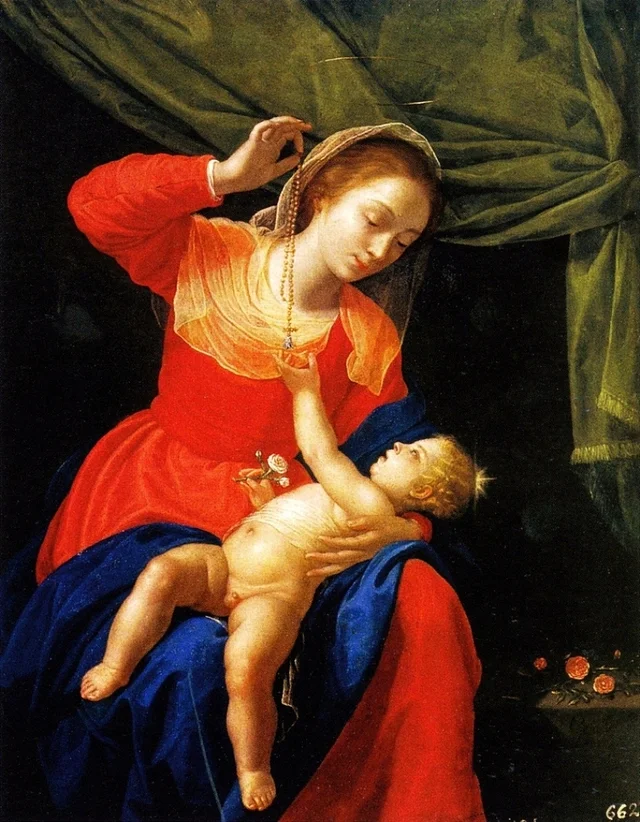 Virgin and Child with a RosaryArtemisia Gentileschi, 1651
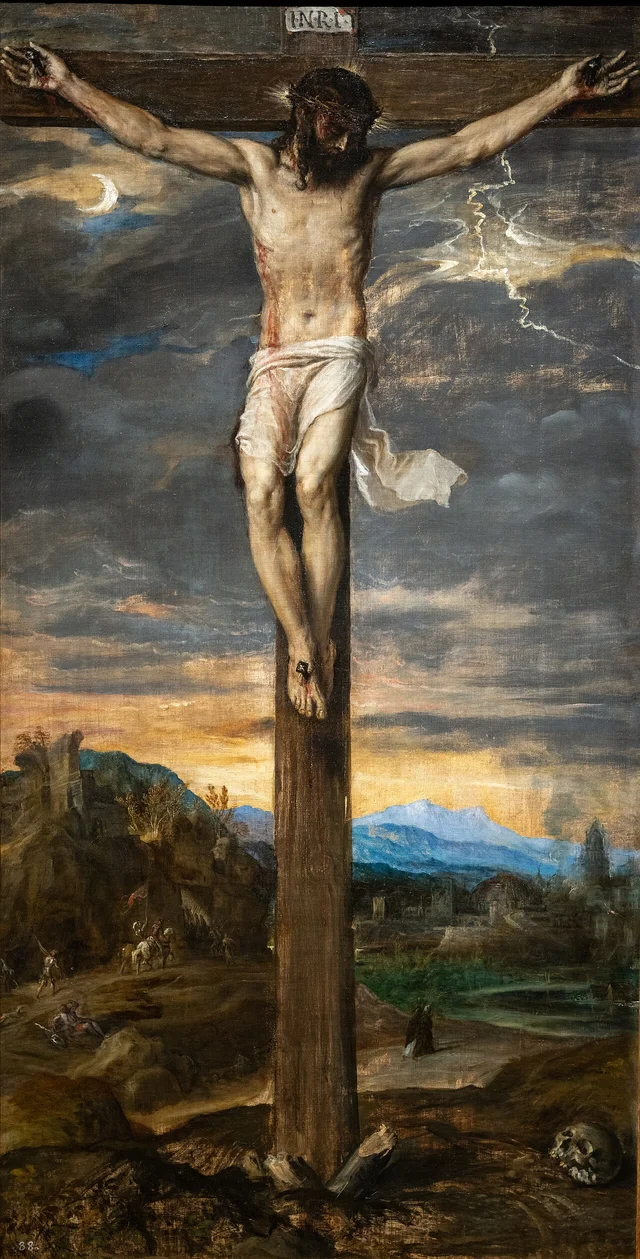 CrucifixionTitian, 1565
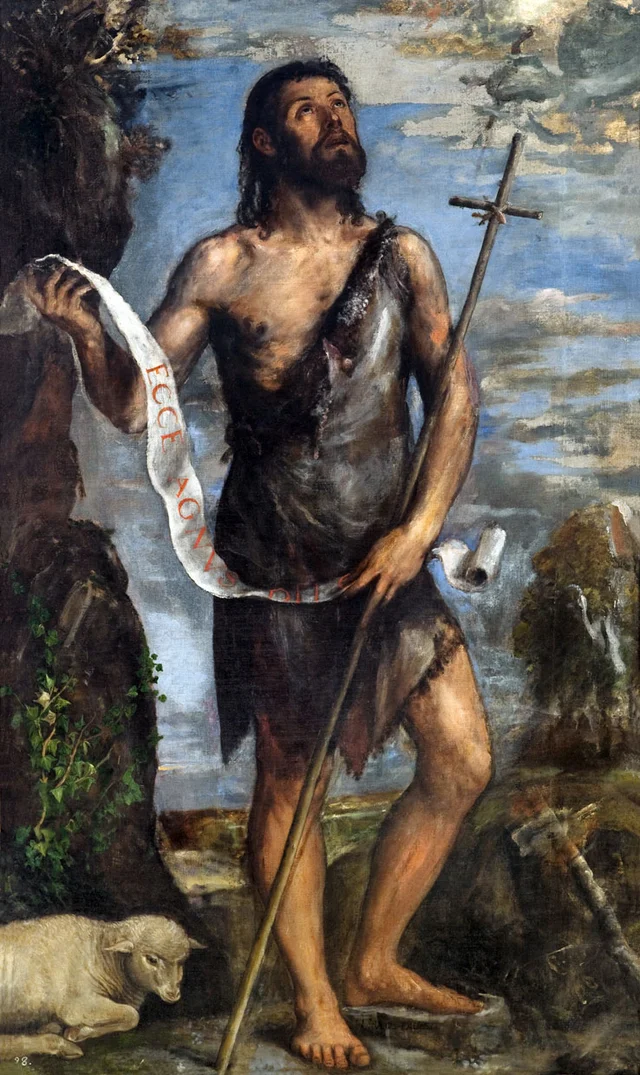 Saint John the BaptistTitian, 1567
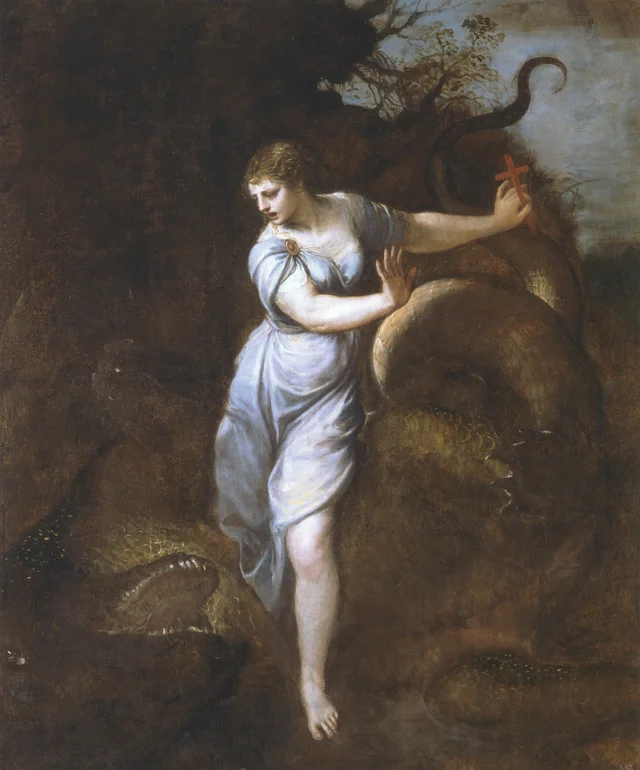 Saint Margaret and the DragonTitian, 1552