The story
In 1940 and 1941, André Breton, the founder of Surrealism, was stranded in Marseille with a crowd of fellow artists, all waiting for visas and a ship out of wartime France. At the Villa Air-Bel, the house where they lodged, they passed the time designing a pack of playing cards, the Jeu de Marseille, with figures such as Baudelaire, Hegel and Freud in place of kings and queens. The cards came to the Musée Cantini in 2003, a gift from Breton's daughter and granddaughter.
That anxious stay helps explain why Surrealism is one of the museum's great strengths. Victor Brauner, a Romanian painter who was among the refugees, is represented by 21 paintings, and Max Ernst, André Masson and Joan Miró are here too.
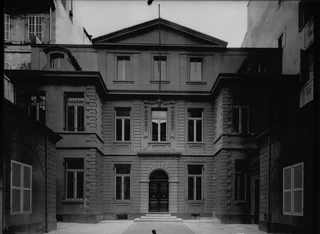
The setting is older and calmer. The museum occupies a town house on the rue Grignan, built in 1694 for the Compagnie du Cap Nègre, a coral-fishing company. Jules Cantini, a sculptor and marble merchant, bought it in 1888 and left it to the city when he died in 1916, asking for a museum of decorative arts. It opened in 1936 and over the decades turned to the art of the 20th century.
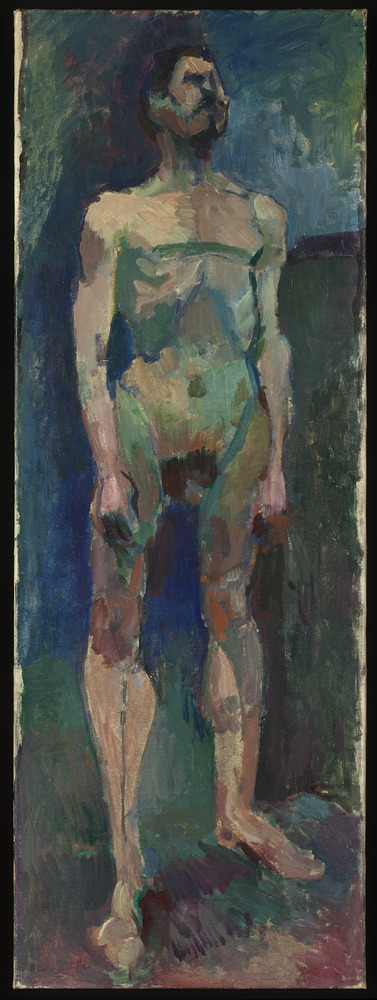
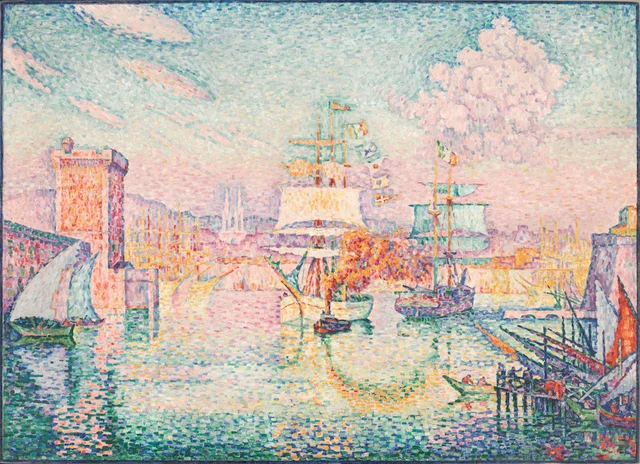
Marseille itself runs through the collection. Paul Signac's Entrance to the Port of Marseille, from 1911, sets the harbour down in small dabs of bright colour, and Raoul Dufy painted the trees of L'Estaque, just along the coast, in 1908. A study of a male nude by Henri Matisse, made around 1900 while he was still training in Paris, hangs among the moderns. In May 2026 the museum opened a new hang of its permanent collection, titled Par une langue échappée.