The story
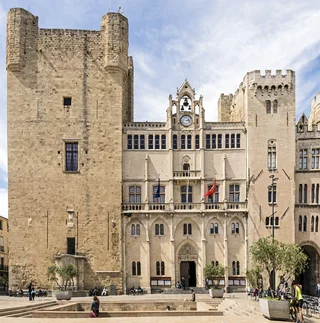
The rooms of this museum were once the private apartments of the archbishops of Narbonne, in the newer wing of their palace beside the cathedral, and much of their decoration survives. In the King's Chamber, decorated for Louis XIII, a coffered ceiling of 1633 holds 49 painted panels that include the nine Muses. Set into the floor is a Roman mosaic of a labyrinth, found in 1857. The audience hall keeps a painted ceiling from 1634, and the dining room has 18th-century stucco trophies of hunting and fishing.
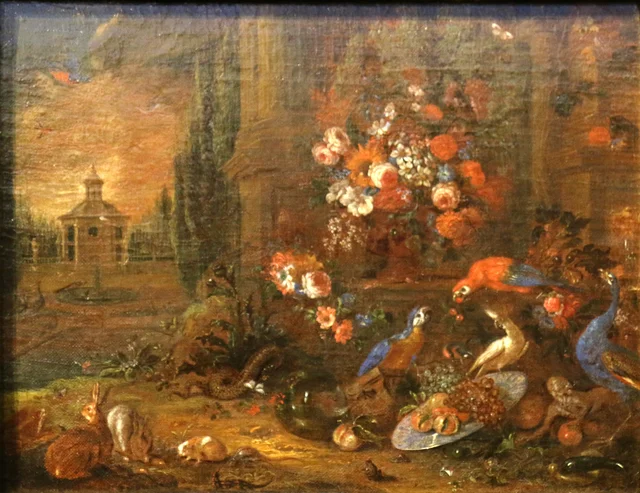
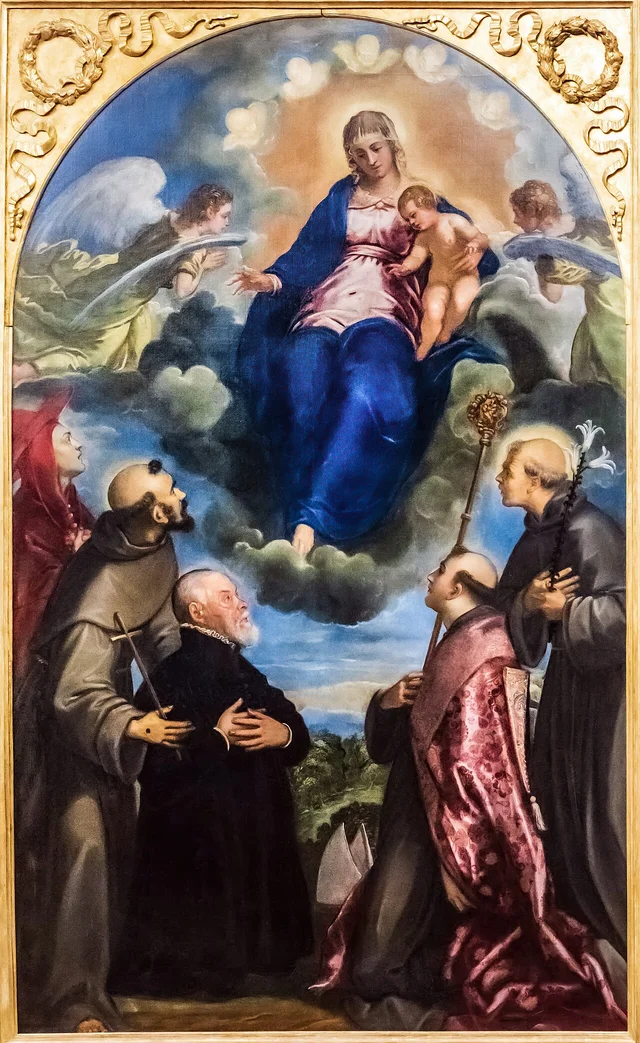
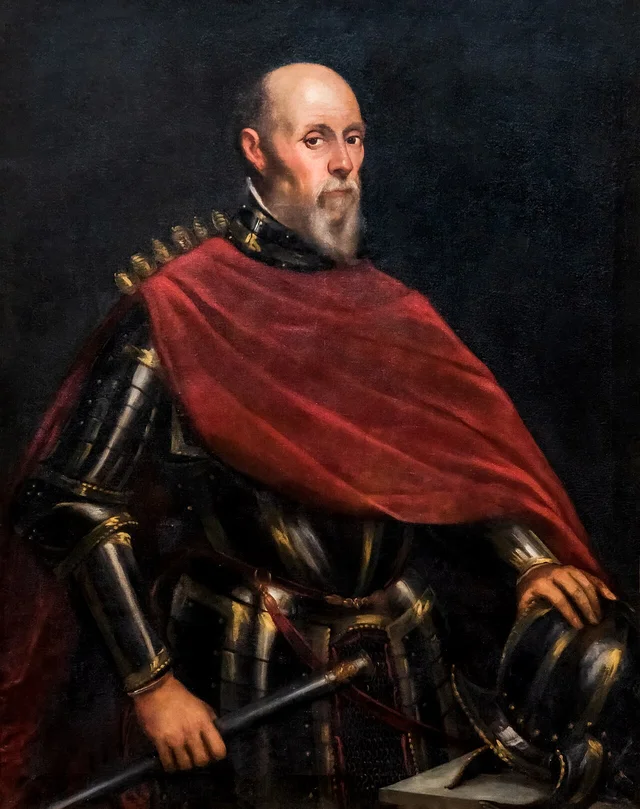
The museum goes back to 1833, when Paul Tournal, a Narbonne scholar and pioneer of prehistoric archaeology, pushed for a public collection in the city. The paintings run from the Renaissance to the 19th century. There is a Madonna in glory attributed to the Venetian painter Tintoretto, and a picture of flowers, birds and animals by Daniel Seghers, the Flemish Jesuit known for his flower painting. A gallery of apothecary jars and faience from Marseille, Montpellier and other French workshops brings in the decorative arts.
The last two rooms, restored in 2004, hold the group the museum is best known for, Orientalist paintings of North Africa and the Middle East, most of them bought by the city.