The story
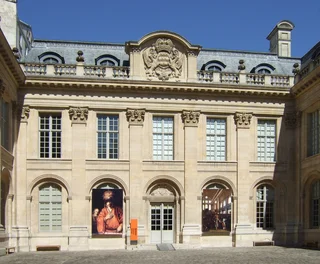
In one of the courtyards of the Hôtel de Saint-Aignan hang 80 small paper notices, scattered like the death announcements once pasted on walls in the towns of Eastern Europe. The French artist Christian Boltanski made them in 1998, the year the museum opened. Each one names a person who lived in this building in 1939, with a birthplace and a trade, hatters, tailors, furriers, and for some the date of the convoy that took them to the death camps.
Those tenants were living in a Marais mansion built in the 1640s by the architect Pierre Le Muet for Claude de Mesmes, Count of Avaux, a diplomat who handled the finances of Cardinal Mazarin's government. By the 1930s it was full of artisans' workshops and lodgings. Restored by the City of Paris, it became the home of the Museum of Jewish Art and History, which brought together the collection of an earlier Jewish art museum in Paris, objects gathered by the 19th-century collector Isaac Strauss, and long-term loans from national museums.
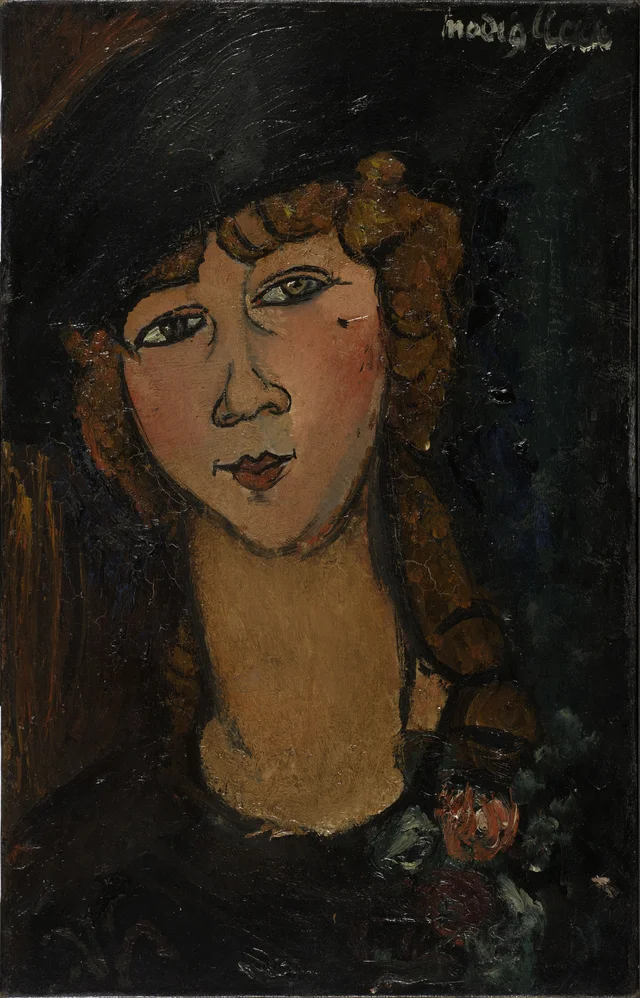
The galleries follow Jewish life in France, Europe and North Africa, with medieval Jewish tombstones, ceremonial objects, and a royal proclamation of 1790 on the emancipation of French Jews. One section holds the papers of Captain Alfred Dreyfus, given by his grandchildren, more than 3,000 letters, photographs and documents. Among the paintings is Lolotte, a 1917 portrait by Amedeo Modigliani, the Italian painter of the School of Paris, on loan from the Centre Pompidou since the museum opened.