The story
In 1955 the museum of Saint-Étienne, a coal-mining and arms-making city south-west of Lyon, bought a mobile by the American sculptor Alexander Calder. The buyer was Maurice Allemand, who ran the city's Museum of Art and Industry from 1947 to 1966. On a small municipal budget he drew on state reserves, befriended artists and dealers, and brought in Picasso, Le Corbusier and the Czech abstract painter František Kupka, in a museum otherwise devoted to the town's arms, ribbons and bicycles.
His purchases became the core of a separate museum. In 1987 it opened in a new building by the architect Didier Guichard, a long low block clad in black ceramic tiles, just outside the city in Saint-Priest-en-Jarez. The collection now runs to more than 20,000 works from the 19th century to today, one of the largest public holdings of modern and contemporary art in France. It is strong in American Minimalism, in Pop art with Andy Warhol, and in Supports/Surfaces, the French movement of Claude Viallat and Louis Cane, and it keeps some 1,500 design objects.
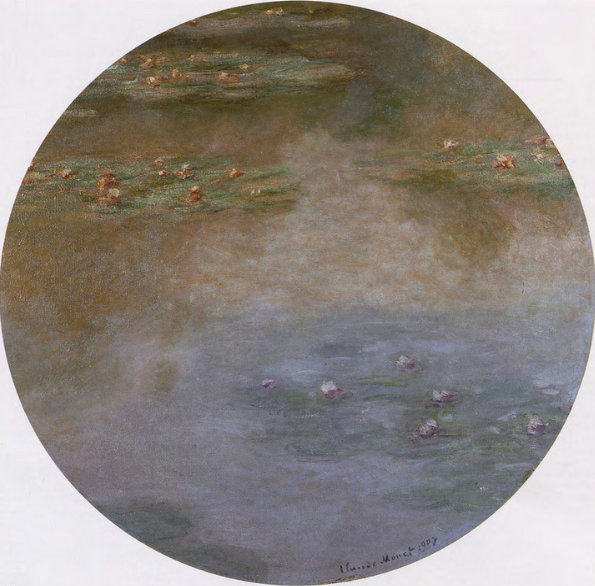
Older paintings came with that inheritance too, among them a Water Lilies canvas painted by Claude Monet in 1907. The museum, known as MAMC+, closed in April 2023 for the first major works on the building since it opened, and reopened in November 2024.