The story
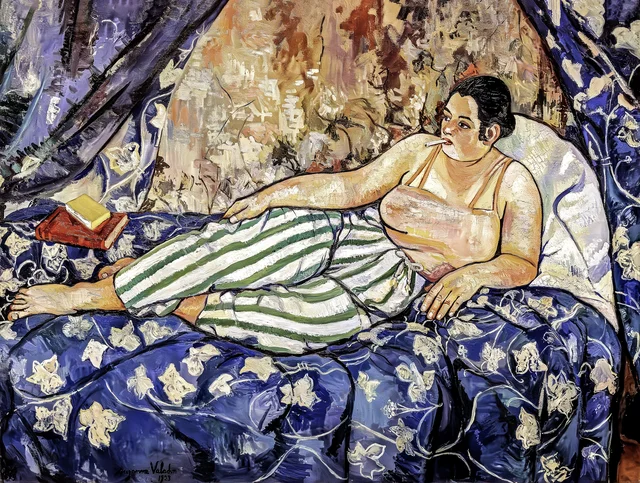
In Suzanne Valadon's The Blue Room, painted in 1923, a woman lounges on an unmade bed in striped trousers and a camisole, a cigarette between her lips and books at her feet. The canvas belongs to the Centre Pompidou in Paris and is on long-term loan here in Limoges, not far from the village of Bessines-sur-Gartempe where Valadon was born in 1865.
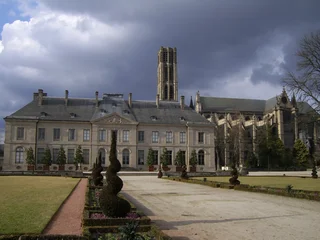
The museum occupies the former bishops' palace beside Limoges cathedral, built between 1766 and 1773 to plans by the architect Joseph Brousseau, with terraced gardens dropping towards the river Vienne. It moved in here in 1912 and was long known as the Musée de l'Évêché. After four years of building work it reopened in December 2010 as the Musée des Beaux-Arts de Limoges.
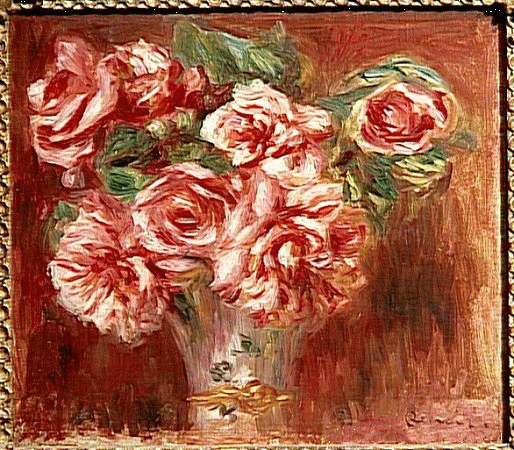
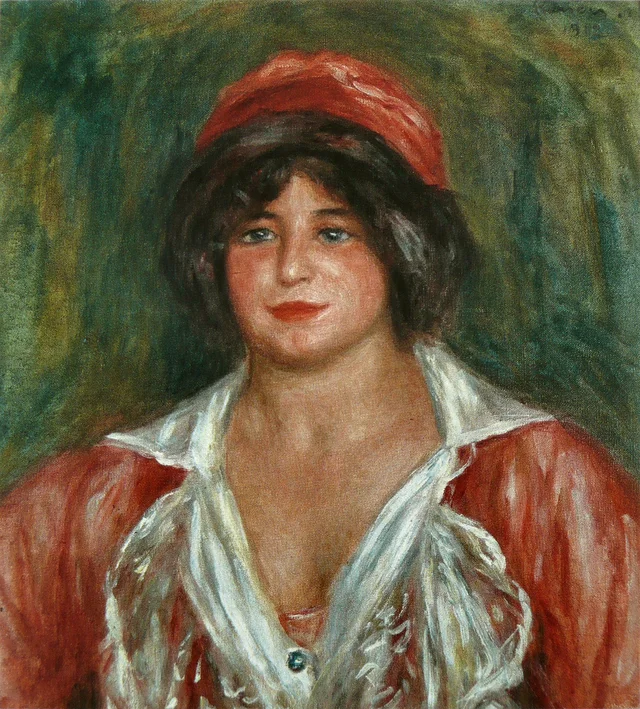
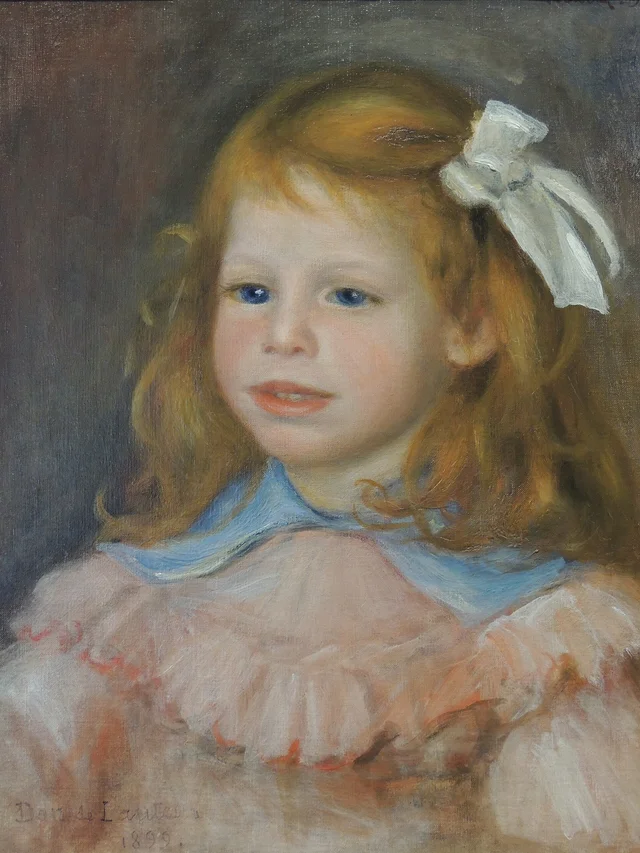
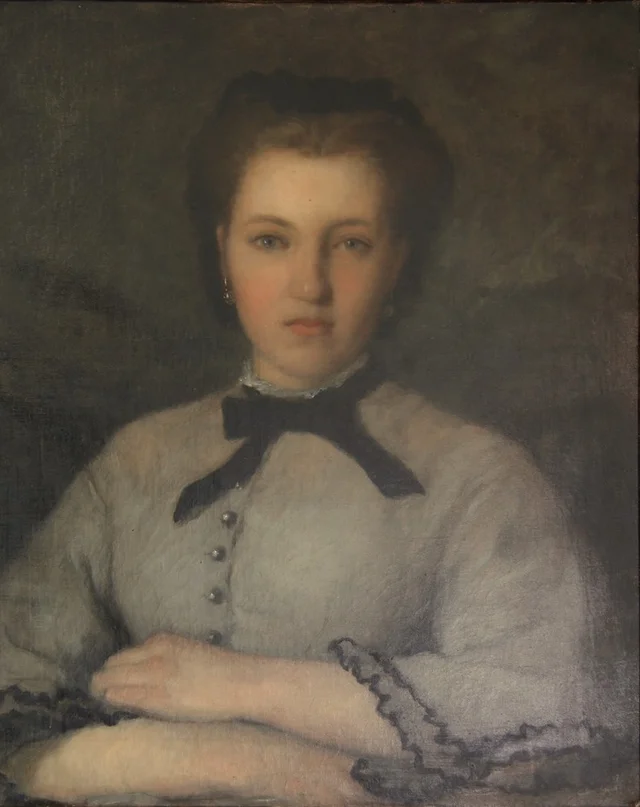
What sets it apart is enamel. Limoges workshops were famous for enamelled metalwork from the 12th century on, and the collection follows that craft from medieval reliquaries to modern pieces. The painting rooms lean on local ties too. Pierre-Auguste Renoir was born in Limoges in 1841, the son of a tailor, and the museum shows several of his works, from an early portrait of Marie-Zélie Laporte painted in 1864 to a portrait of his son Jean.