The story
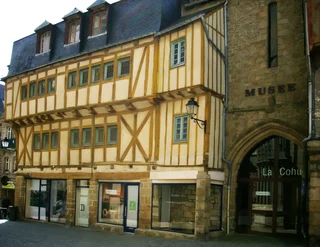
The word cohue comes from Breton and means a market hall, and for centuries this long building in the heart of Vannes was exactly that, with stalls on the ground floor and the court of the dukes of Brittany sitting upstairs. Its oldest parts go back to the 13th century. The Estates of Brittany met here ten times between 1431 and 1703, and from 1675 the Parliament of Brittany held its sessions in the upper hall, exiled from Rennes by Louis XIV after a revolt against new taxes.
After the Revolution the upper floor became a theatre, which lasted until the mid-20th century. Restoration began in 1970, and in 1982 the city opened its fine arts museum here.
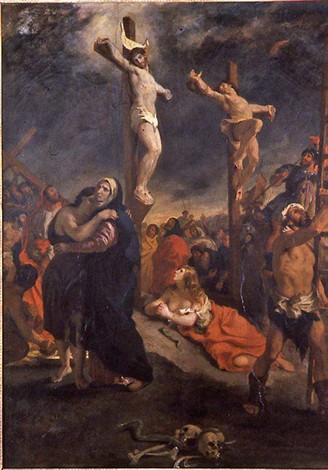
The painting that anchors the collection is Eugène Delacroix's Christ on the Cross, shown at the Paris Salon of 1835, bought by the state and sent to Vannes, where it first hung in the church of Saint-Patern. Around it are works by Breton painters such as Henry Moret and Jean Frélaut, etchings by Goya, and, since 2013, a permanent display of Geneviève Asse, the abstract painter born in Vannes, known for her pale, luminous blues.