The story
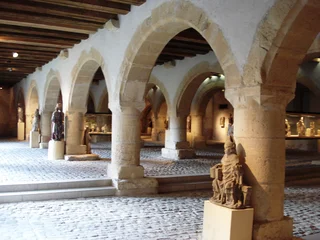
A visit to the Musée de la Cour d'Or in Metz goes underground. When the museum was being enlarged in the 1930s, the builders struck the remains of Roman public baths, and the galleries were arranged around them. Visitors now walk among the old walls and the hypocaust, the raised floor through which hot air once circulated, beside Gallo-Roman sculpture found in the city the Romans called Divodurum.
The museum's name looks back to a later chapter. The Cour d'Or was the palace of the Merovingian kings of Austrasia, who made Metz one of their capitals in the 6th century. The great treasure from that age is the chancel screen of Saint-Pierre-aux-Nonnains, one of the oldest churches in France. Its 38 carved stone panels and pillars are covered with interlace, scrolling foliage, chequerboards, crosses and a Christ giving a blessing. The route also climbs into the Grenier de Chèvremont, a huge granary built in the 15th century, now filled with medieval religious sculpture.
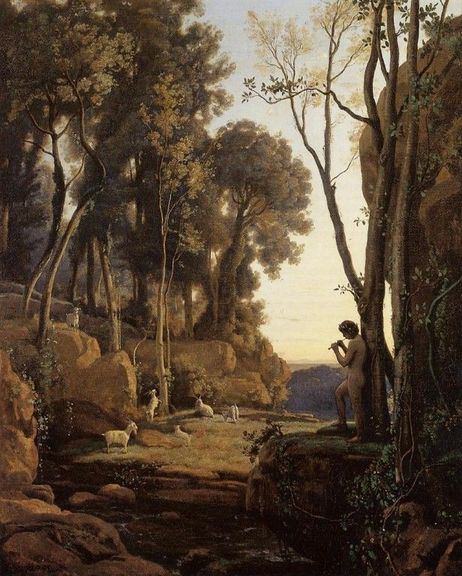
Paintings form a smaller part of the museum, and they have real high points. Eugène Delacroix's Ascent to Calvary is a late canvas he reworked over many years and finished in 1859. Camille Corot's Little Shepherd, a pastoral scene from 1840, belongs to the French state and is on deposit here. A local group of painters and glass artists known as the School of Metz, active in the decades before 1870, has its own rooms.