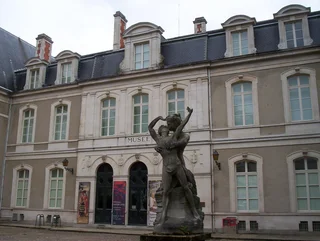
The story
The fine-arts museum of Le Mans carries the name of a noble family whose paintings arrived here by confiscation. During the Revolution, after the heir of the counts of Tessé fled abroad, around 400 works from the family collection were seized, along with pictures from the town's churches and abbeys. They filled the museum that opened in 1799, one of the earliest municipal museums in France. Since 1927 it has occupied the former bishop's palace, built on the very site of the Tessé town house.
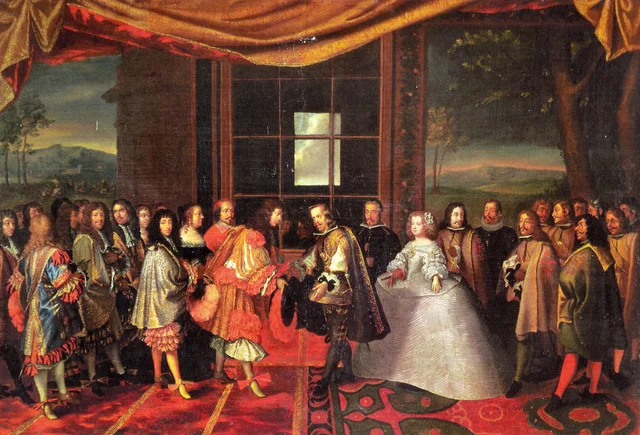
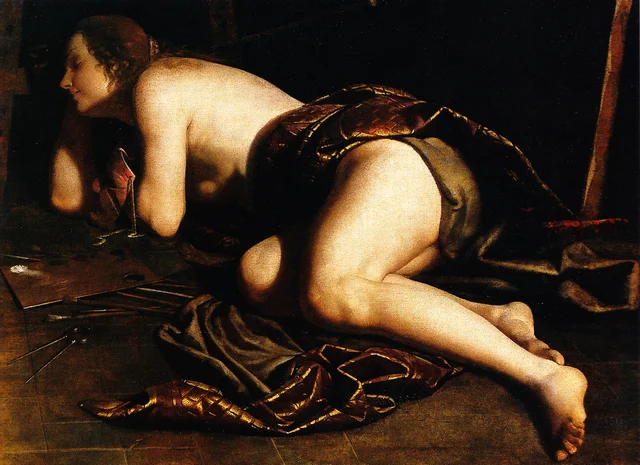
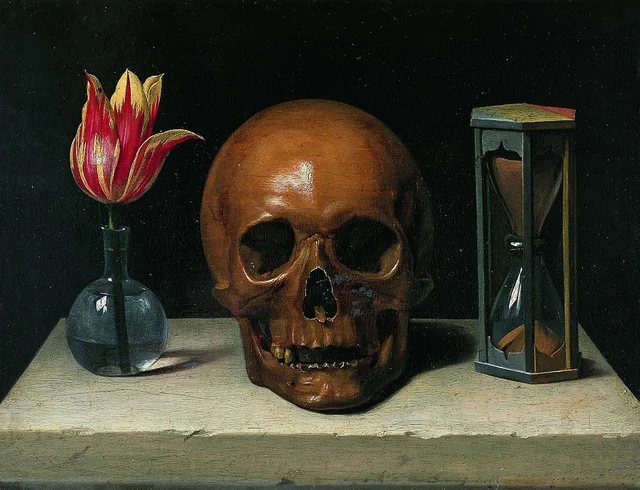
The paintings run from the Italian primitives to the 19th century. Look for Philippe de Champaigne's Vanitas, a skull set between a tulip and an hourglass, and for an Allegory of Painting attributed to Artemisia Gentileschi, the Roman painter, though her authorship is still debated. A large canvas by Jacques Laumosnier records the 1660 meeting of Louis XIV and Philip IV of Spain on Pheasant Island, the river island on the Spanish border where the two kings met to seal a peace and a royal marriage.
Downstairs, the visit changes continent. The basement holds full-scale reconstructions of two Egyptian tombs, that of Queen Nefertari, wife of Rameses II, and that of Sennefer, a mayor of Thebes, made from photographs given by the Kodak-Pathé Foundation.