The story
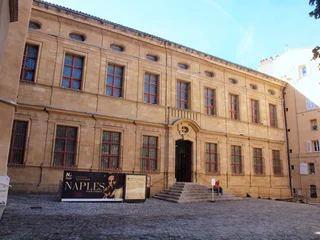
The Musée Granet stands in a seventeenth-century former priory of the Knights of Malta in Aix-en-Provence, and it carries the name of François-Marius Granet, a local painter who left the town his own work and collection in the 1840s. For a long time it was a fine old provincial museum with one glaring absence.
Aix's most famous son is Paul Cézanne, who worked all his life in and around the town, yet for decades the museum owned almost nothing by him. That has slowly been repaired, and Cézanne now has rooms of his own here, small paintings and watercolours shown near the streets and hills he painted. For fifteen years, until early 2026, the Jean Planque collection was on deposit here, a private collector's line from Cézanne to Giacometti, Klee and Dubuffet; it has since moved to Vevey in Switzerland.
Older galleries hold Rembrandt, Ingres and Provençal painting, but most visitors climb the stairs for Cézanne, home again in his own city.
Collection
9 works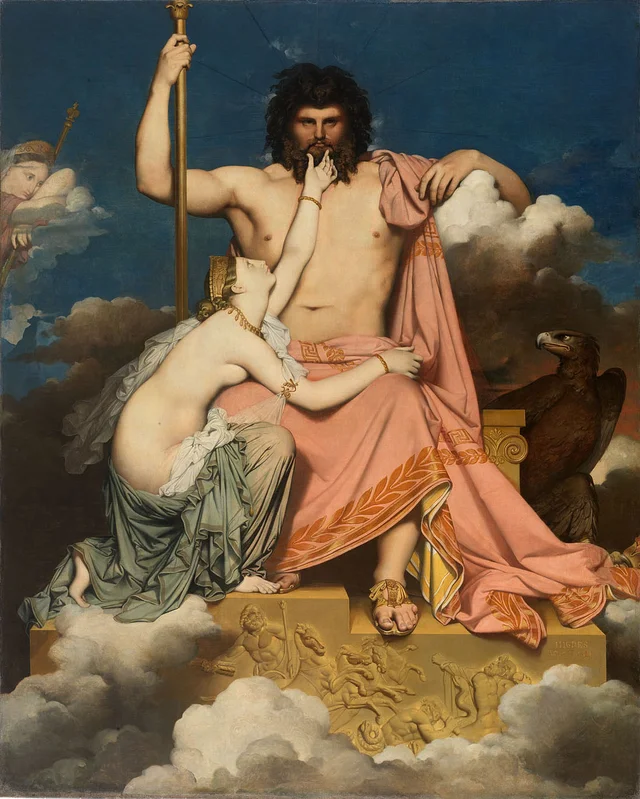 Jupiter and ThetisJean-Auguste-Dominique Ingres, 1811
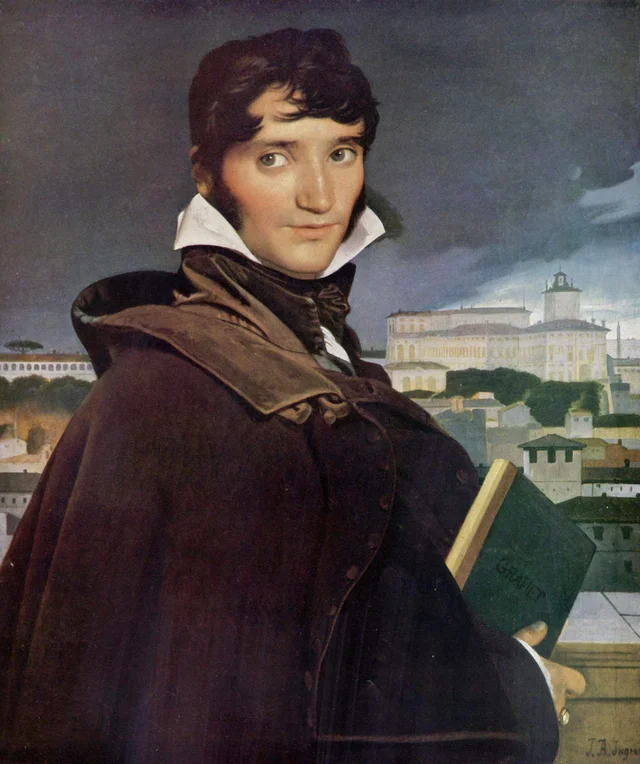 François Marius GranetJean-Auguste-Dominique Ingres, 1807
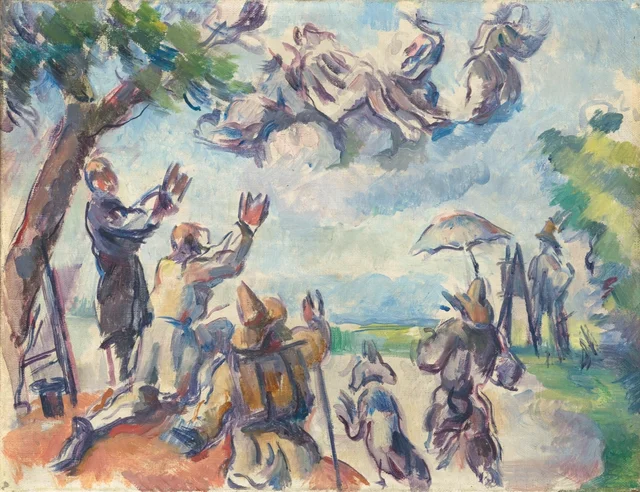 Apotheosis of DelacroixPaul Cézanne, 1890
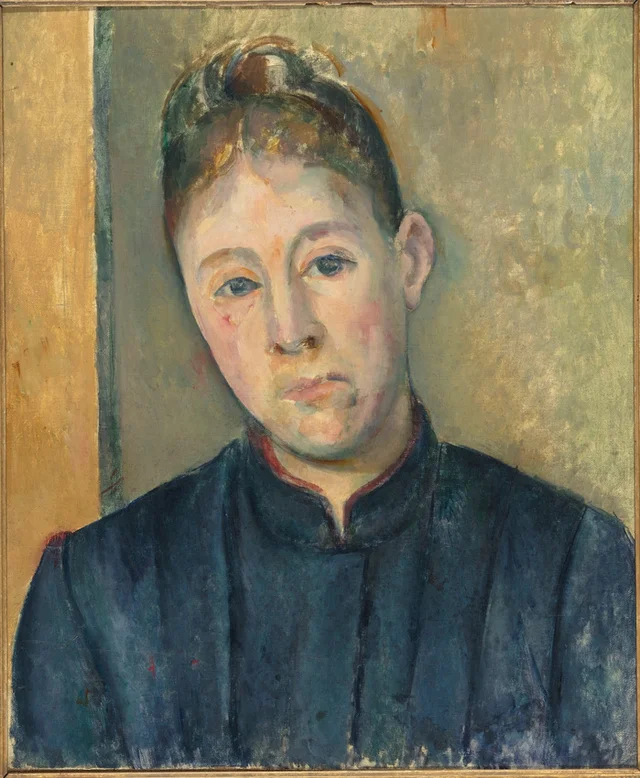 Portrait of Madame CezannePaul Cézanne, 1885
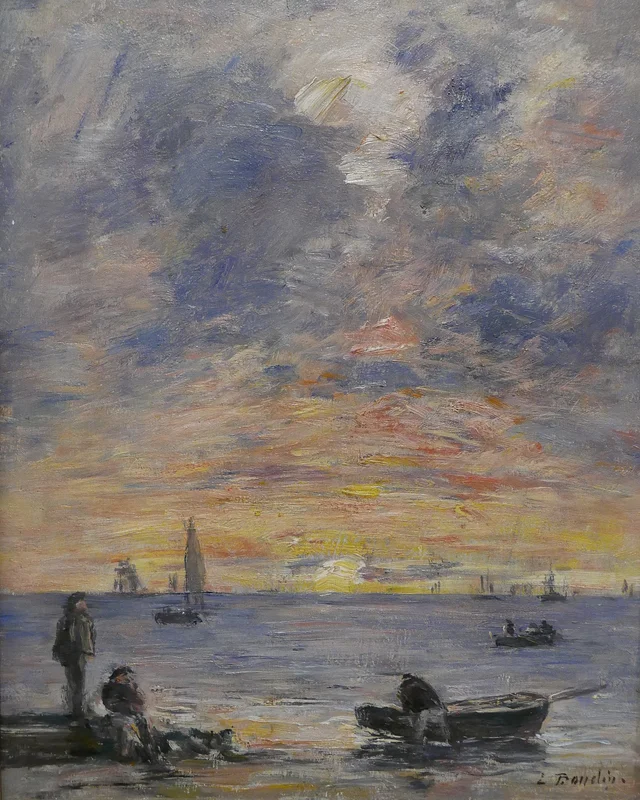 Seascape at SunsetEugène Louis Boudin, 1885
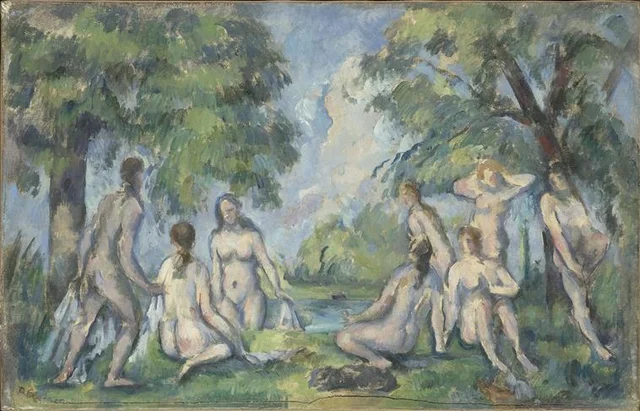 BathersPaul Cézanne, 1890
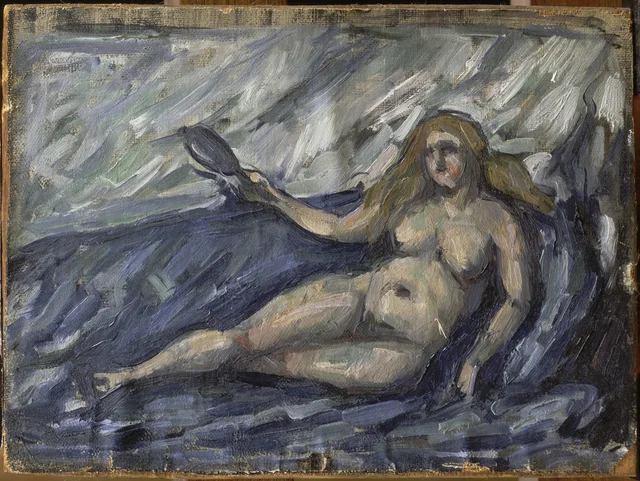 Femme au miroirPaul Cézanne, 1867
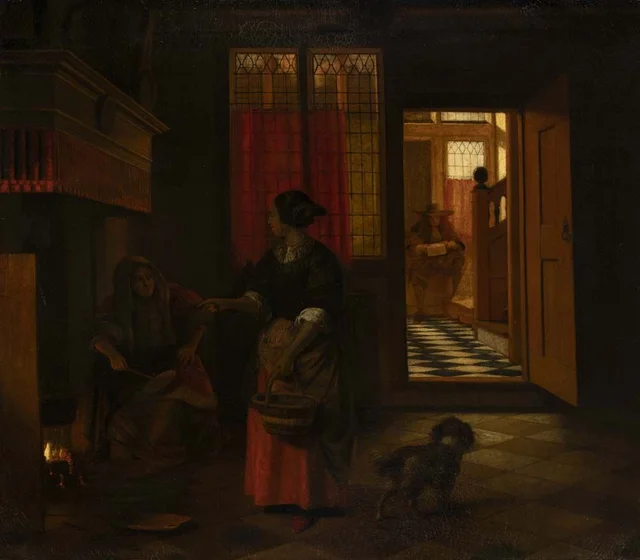 Interior with two women talking, a man and a dogPieter de Hooch, 1680
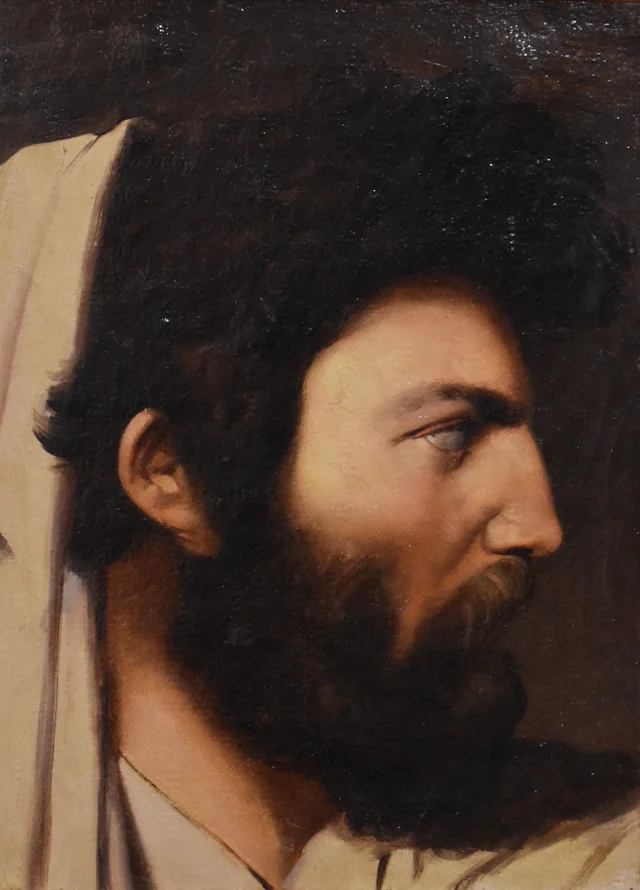 Study of a man in profile with a view to the composition of Jupiter and ThetisJean-Auguste-Dominique Ingres, 1810