The story
The Musée Paul Valéry stands on the slope of Mont Saint-Clair in Sète, directly above the Cimetière marin, the seaside cemetery that gave its name to the best-known poem of Paul Valéry, who was born in Sète and is buried there. The concrete-and-glass building, designed by the architect Guy Guillaume, dates from the early 1970s, and from it you look across the graves to the Mediterranean.
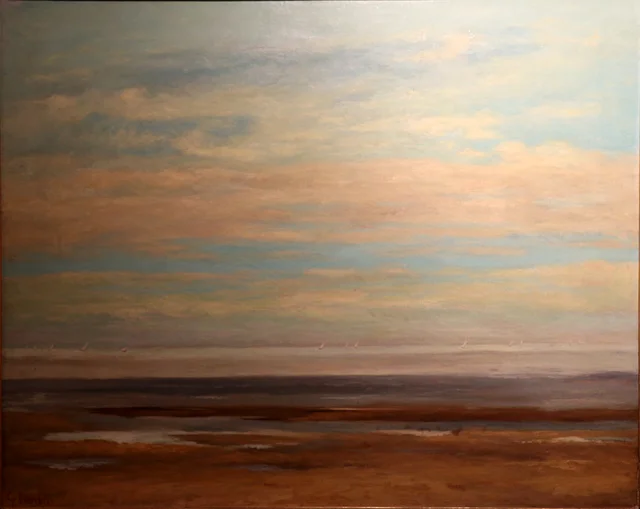
The poet has his own section. Alongside manuscripts and rare editions, it keeps about 80 drawings and watercolours by Valéry himself. The rest of the collection, more than 700 paintings, follows artists drawn to this coast. Gustave Courbet, the French realist, is represented by a calm seascape from 1857, the kind of sea view he found on trips along the shore between Sète and Villeneuve-lès-Maguelone. Further on come Raoul Dufy, who painted the south in bright colour, and the Montpellier-Sète group of painters around François Desnoyer. The 1980s arrive with Robert Combas and Hervé Di Rosa, two artists who grew up in Sète and launched the movement called Free Figuration.