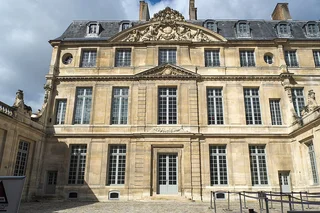
The story
When Picasso died in 1973 his heirs faced enormous French inheritance taxes, and the state let them pay in art instead. Under a law that accepts artworks in lieu of tax, France took its choice from the estate and kept an extraordinary run of Picassos he had never sold, work he had chosen to hold onto. That windfall is the core of the Musée Picasso.
It fills the Hôtel Salé, a grand private mansion in the Marais built in the 1650s for a man who had grown rich collecting the tax on salt, which is where the nickname comes from. The museum opened there in 1985 after the house was restored.
The collection runs past 5,000 works across every medium Picasso touched, from Blue Period canvases to late sculpture, plus his own photographs and papers. It also shows the art Picasso bought and lived with, pictures by Matisse, Cézanne and the Douanier Rousseau, hung so you can see which paintings a man who could own almost anything chose to keep at home.
Collection
7 works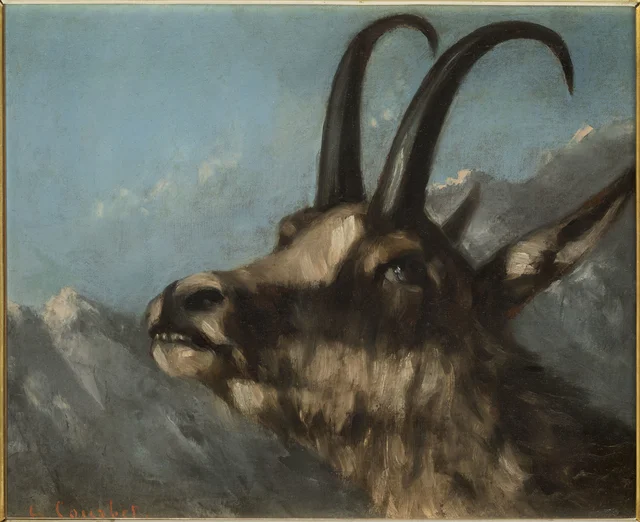 Head of a goatGustave Courbet, 1875
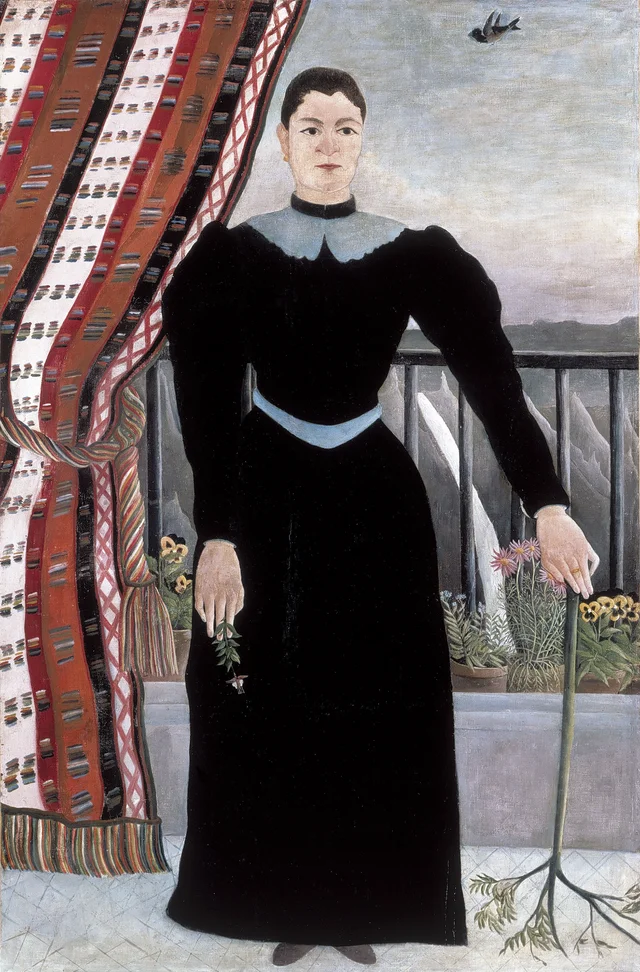 Portrait of a WomanHenri Rousseau, 1895
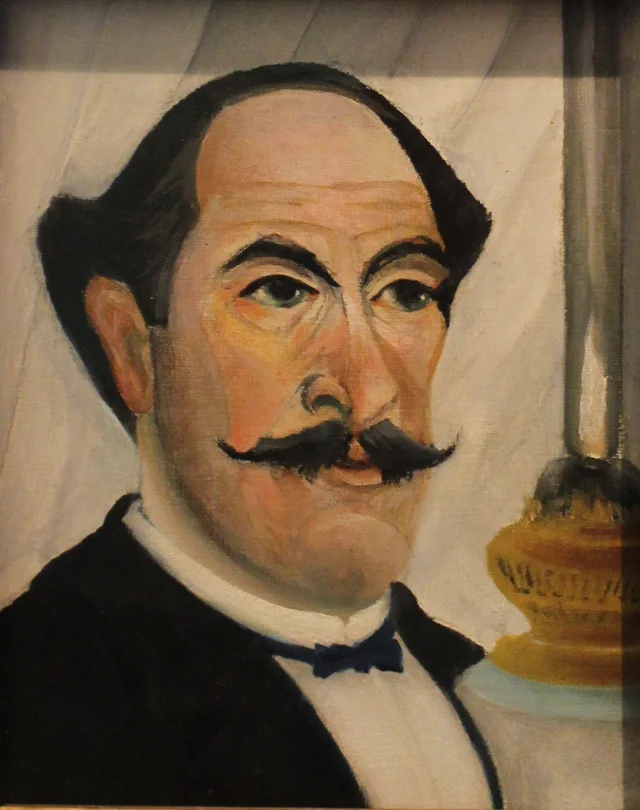 Portrait of the artist with oil lampHenri Rousseau, 1902
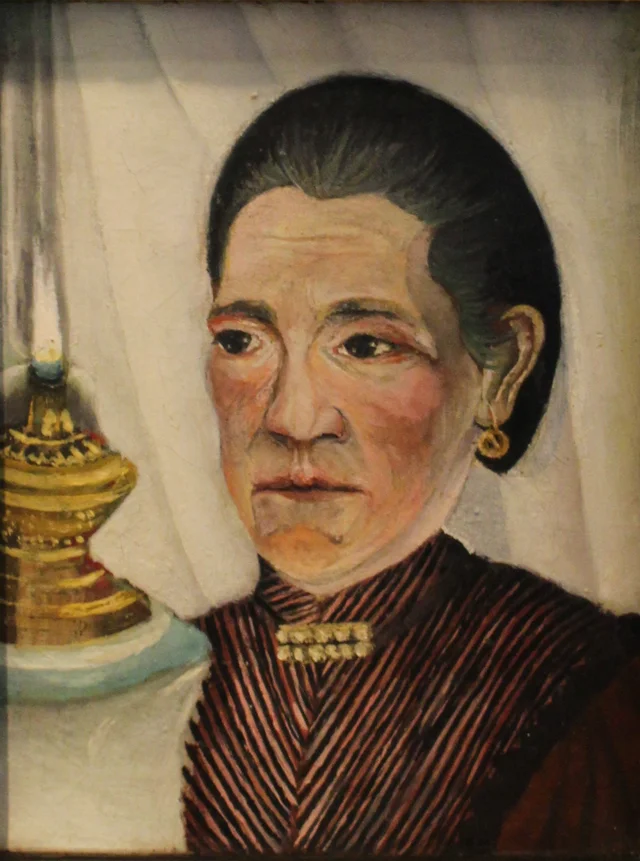 Portrait of the second wife of the artistHenri Rousseau, 1900
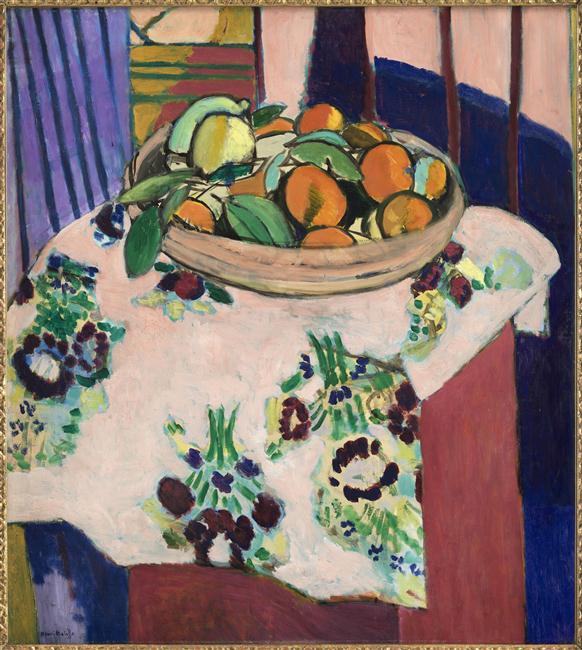 Still Life with OrangesHenri Matisse, 1912
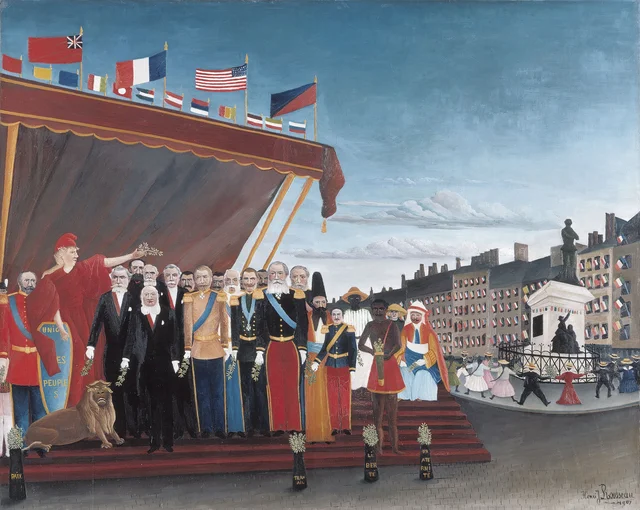 The Representatives of Foreign Powers Coming to Greet the Republic as a Sign of PeaceHenri Rousseau, 1907
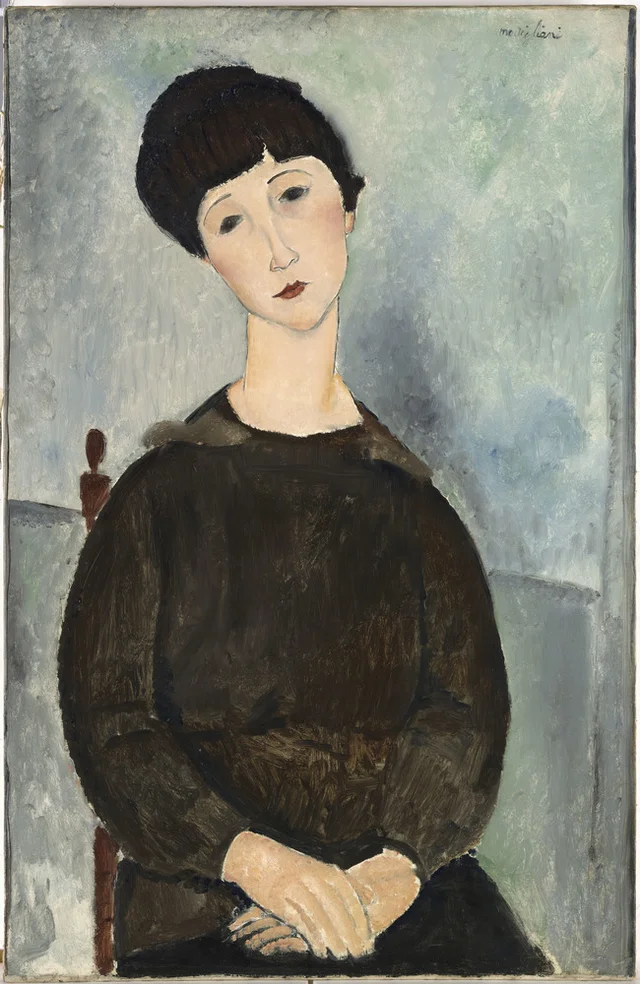 Girl with brown hairAmedeo Modigliani, 1918