The story
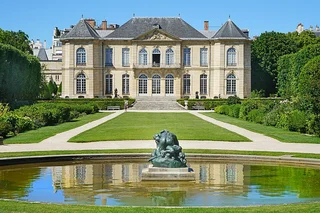
Most visitors come to the Musée Rodin for the garden, where The Thinker sits among the roses and The Gates of Hell, the doorway Auguste Rodin worked on for some 37 years, stands against a wall. Inside the house, an 18th-century mansion on the rue de Varenne called the Hôtel Biron, there is a quieter surprise. Hanging among the marbles and plasters are paintings Rodin bought for himself.
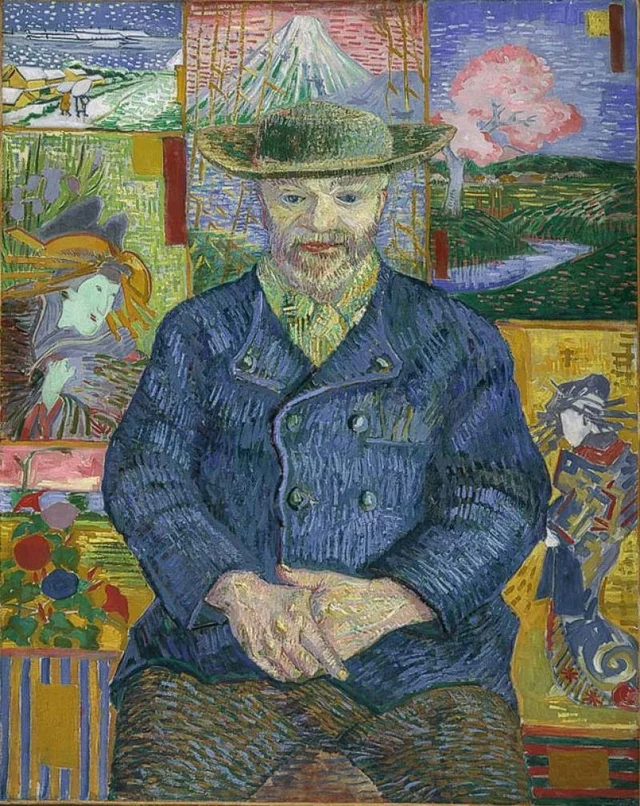
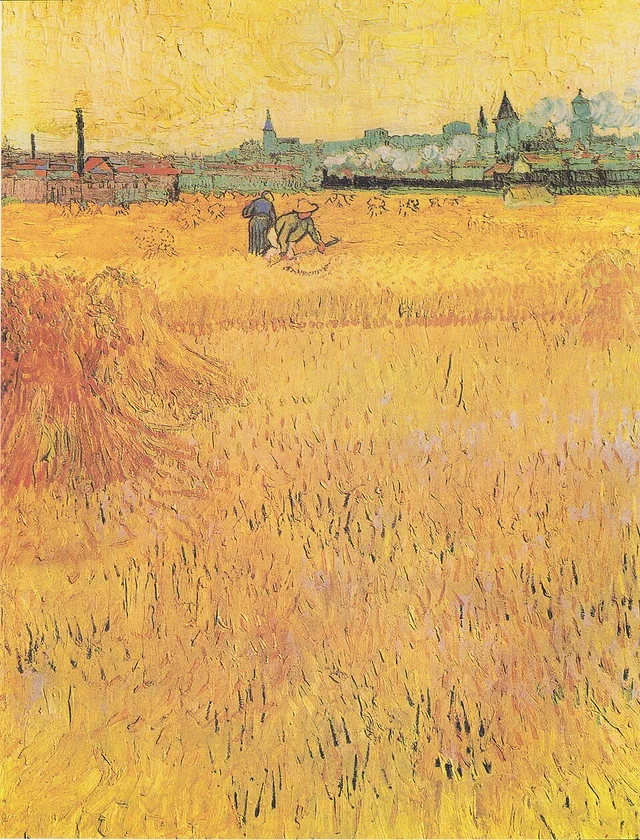
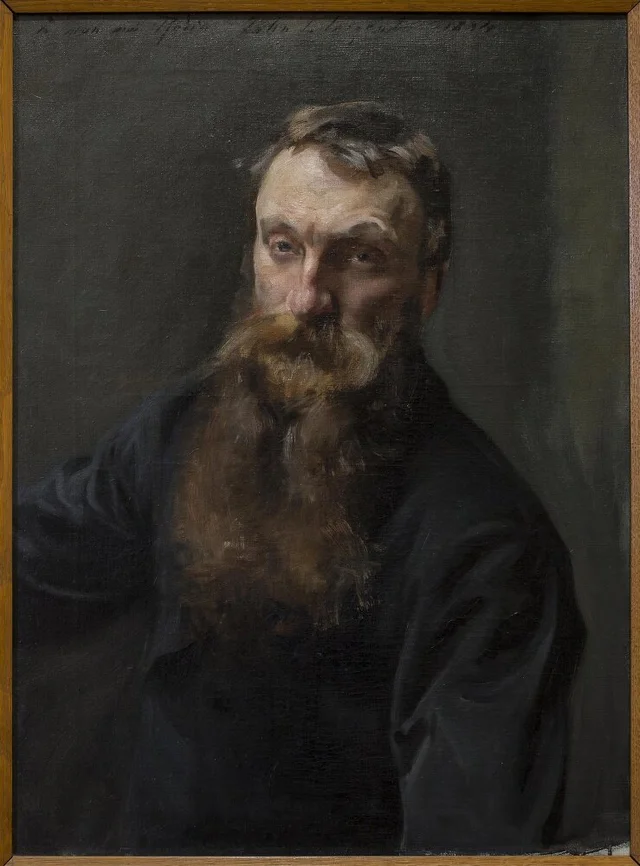
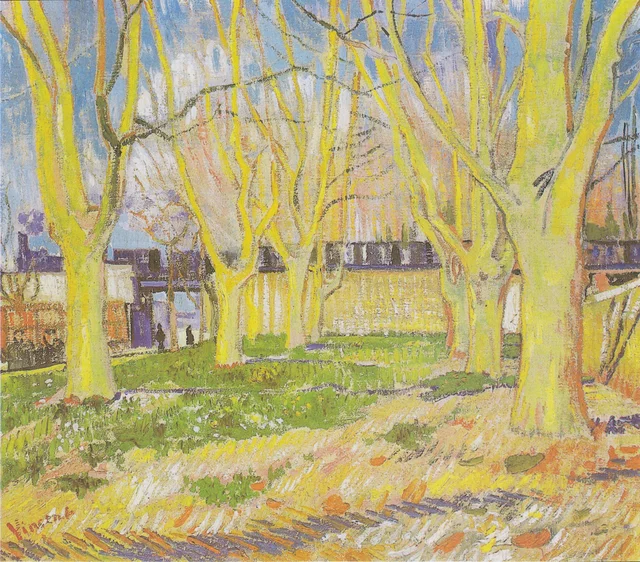
The best known is Vincent van Gogh's portrait of Père Tanguy, the Paris colour merchant who let poor painters pay him in canvases, seated in front of a wall of Japanese prints. Rodin acquired it in 1894, after Tanguy's death. He owned two more van Goghs from Arles, a view across the wheat fields and an avenue of plane trees near the station, along with a seascape of Belle-Île by his friend Claude Monet and a female nude by Renoir. There is also a portrait of Rodin himself, painted in 1884 by the young John Singer Sargent.
Rodin first rented rooms here in 1908, when the old mansion was being let out cheaply to artists, among them Henri Matisse and the dancer Isadora Duncan. The poet Rainer Maria Rilke, who had once worked as his secretary, pointed him to the place. In 1916 Rodin gave the French state his sculptures, drawings and collections on condition that they stay in this house, and the museum opened in 1919, two years after his death.
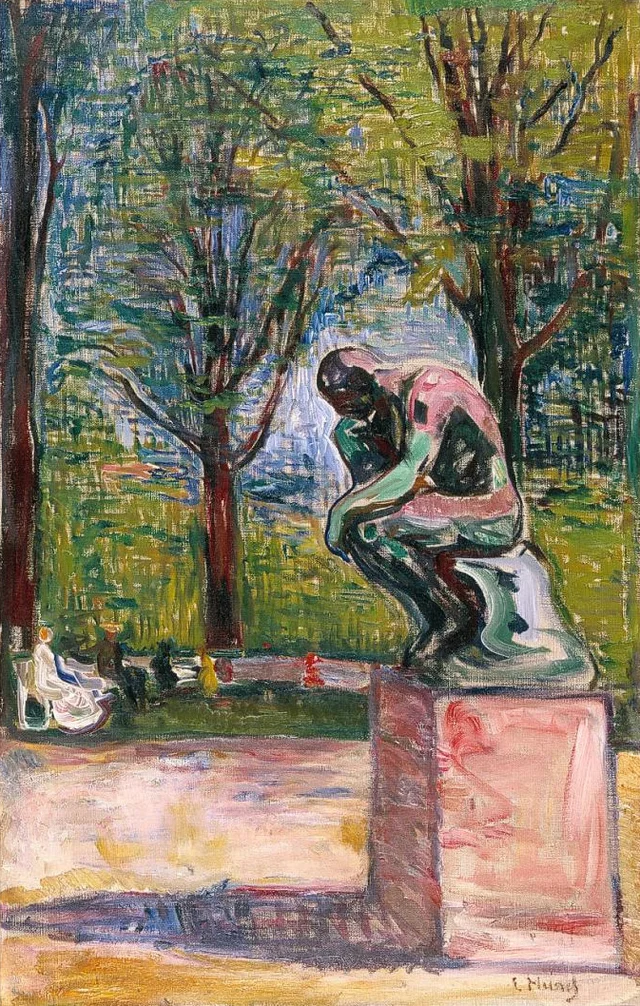
The rooms follow his work from early busts to the marble Kiss and the studies for his statue of the writer Balzac, and one room belongs to Camille Claudel, the sculptor who was his pupil and lover. The one canvas by Edvard Munch, showing a cast of The Thinker in a doctor's garden in Lübeck, came much later. The museum bought it in 1981.