The story
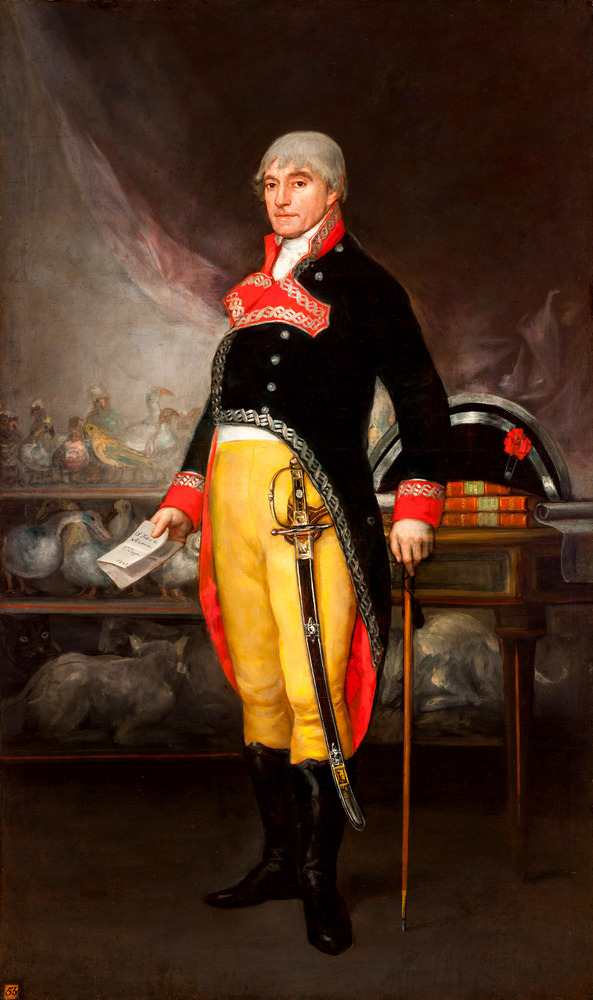
In 1805 Goya painted the naturalist Félix de Azara standing in his study, in a brigadier's black coat and bright yellow breeches. On the shelves behind him are stuffed birds and animals, painted from Azara's own drawings of the wildlife he had catalogued during some 20 years in the Río de la Plata region of South America. The note in his hand carries his name, Goya's signature and the date. The portrait stayed with Azara's descendants for generations and has hung in this museum since 2008.
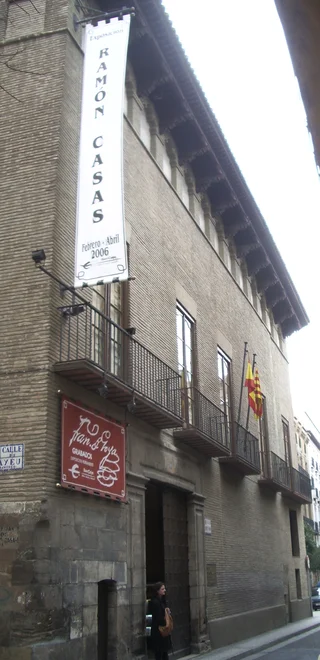
The museum occupies the Palacio de los Pardo, a Renaissance palace of 1535 in the old centre of Zaragoza, the capital of Aragon, Goya's home region. It opened in 1979 as the Museo Camón Aznar, built around the collection of José Camón Aznar, an Aragonese art historian, and run by the savings bank Ibercaja. After a long renovation it reopened in 2015 with a new name and Goya at its centre.
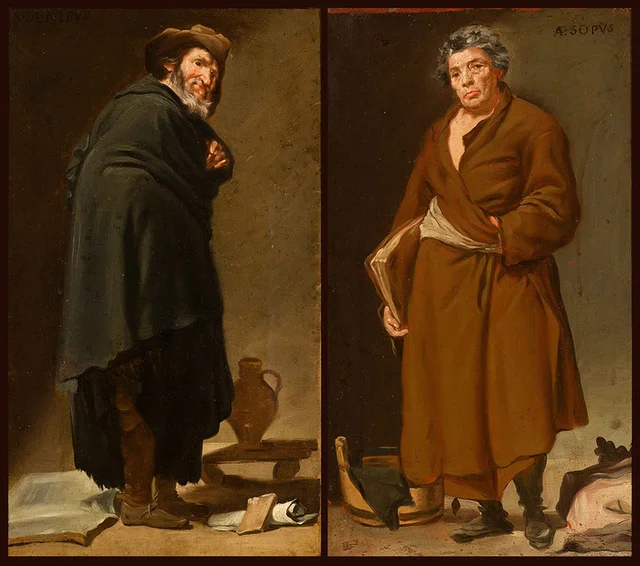
The heart of that change is printmaking. The museum shows complete sets of all four of Goya's great etching series, the Caprichos, the Disasters of War, the Tauromaquia and the Disparates. Beside them are his early etchings after Velázquez, among them Aesop and Menippus from 1778, the ancient fable-teller and the Cynic philosopher, both in ragged cloaks, which the young Goya copied from Velázquez's canvases in the royal collection.