The story
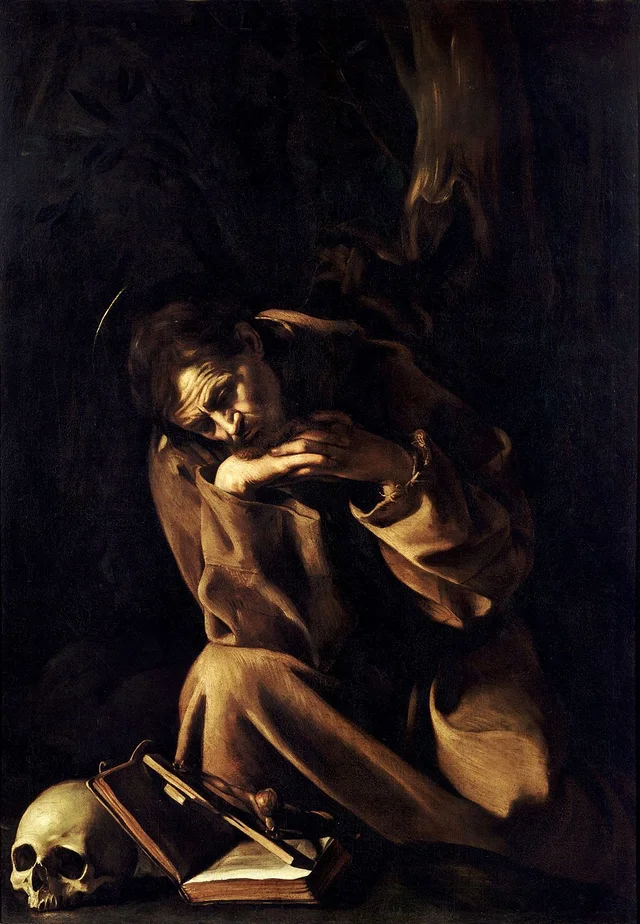
In a dim room of Cremona's civic museum, Caravaggio's Saint Francis kneels alone with a crucifix, and without the stigmata that most painters gave him. Look at the frame. It carries a small winged lion, the arms of the Ala family, and that is the best clue to where the picture began. Scholars think Caravaggio may have painted it for Monsignor Benedetto Ala, the governor of Rome who in 1605 had allowed the painter to carry a sword. A year later Caravaggio killed a man in a fight in Rome and fled the city.
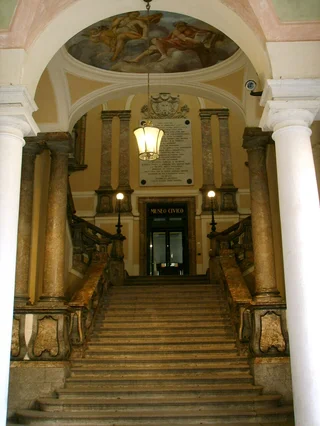
The Ala name runs through the whole museum. In 1842 the marquis Giuseppe Sigismondo Ala Ponzone, a collector and student of insects, gave his collection to Cremona, and works from suppressed churches and convents were added to it. Since 1928 it has filled Palazzo Affaitati, a 16th-century palace in the city centre. The rooms follow Cremona's own painters, from Boccaccio Boccaccino to the Campi family, and one room holds an inlaid cabinet made for the cathedral in the 1470s by the woodworker known as il Platina.
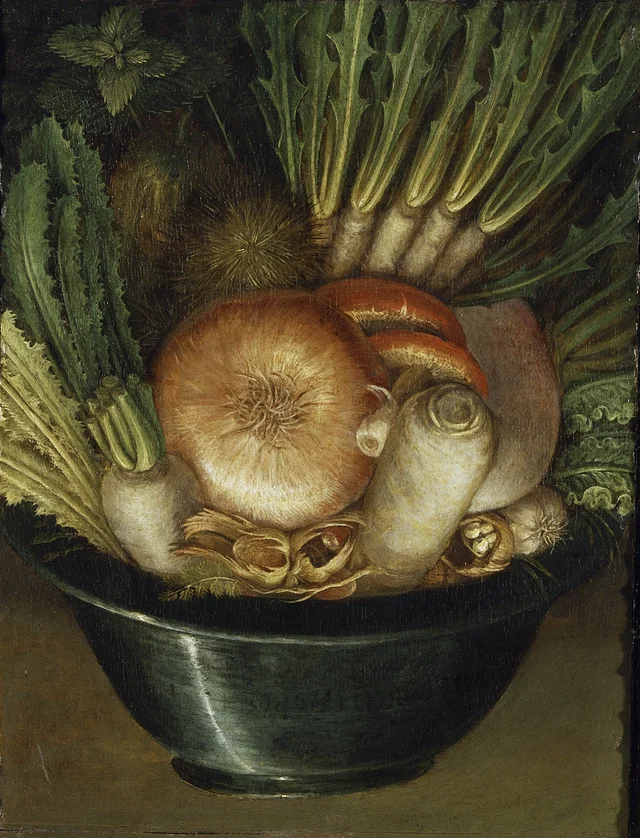
The other picture people come for is Giuseppe Arcimboldo's The Gardener, a small panel from around 1590, painted after the Milanese artist had come home from the imperial court in Prague. Hung one way, it is a bowl of onions, turnips and mushrooms. Turned upside down, the bowl becomes a helmet over a peasant's round, grinning face.