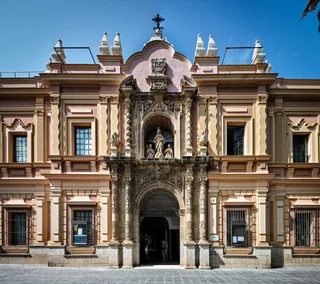
The story
After Spain closed many of its convents in the 1830s, the paintings that had hung in Seville's religious houses were brought together in one of them, the old Convento de la Merced, a Baroque cloister with tiled courtyards. The Museo de Bellas Artes opened there in 1841 and has stayed.
It is often called the finest gallery of Spanish painting after the Prado, and it is above all a museum of Seville's own golden age. Here are Murillo, the city's tender painter of Virgins and street children, the stern monks of Zurbarán, and the unsettling religious visions of Valdés Leal. Because so much of the collection came from local convents, the pictures now hang near where they were made and first seen.
The heart of the visit is the former convent church, its walls lined floor to ceiling with Murillo, under a painted and gilded ceiling.
Collection
17 works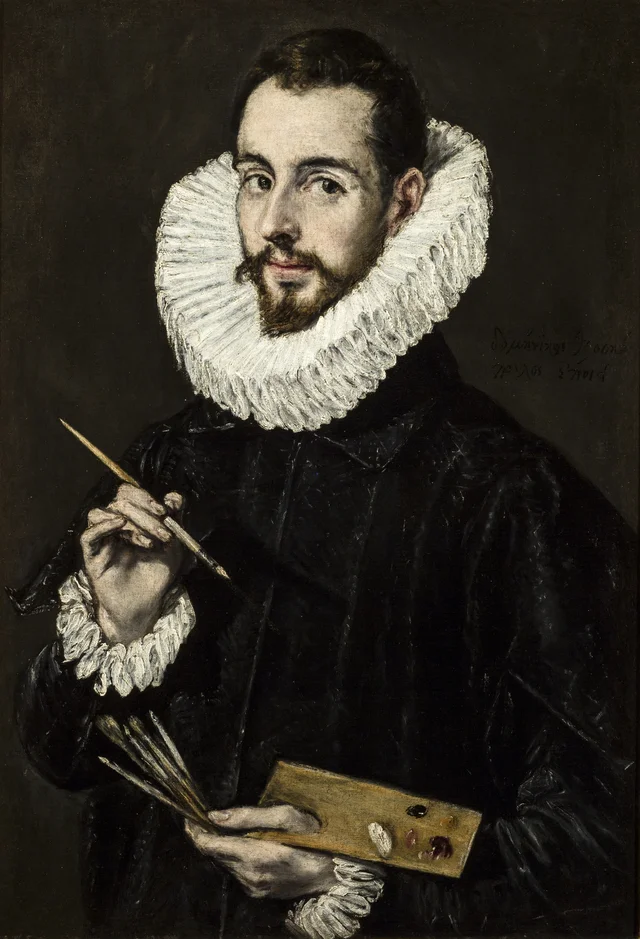 Portrait of Jorge Manuel TheotocópuliEl Greco, 1600
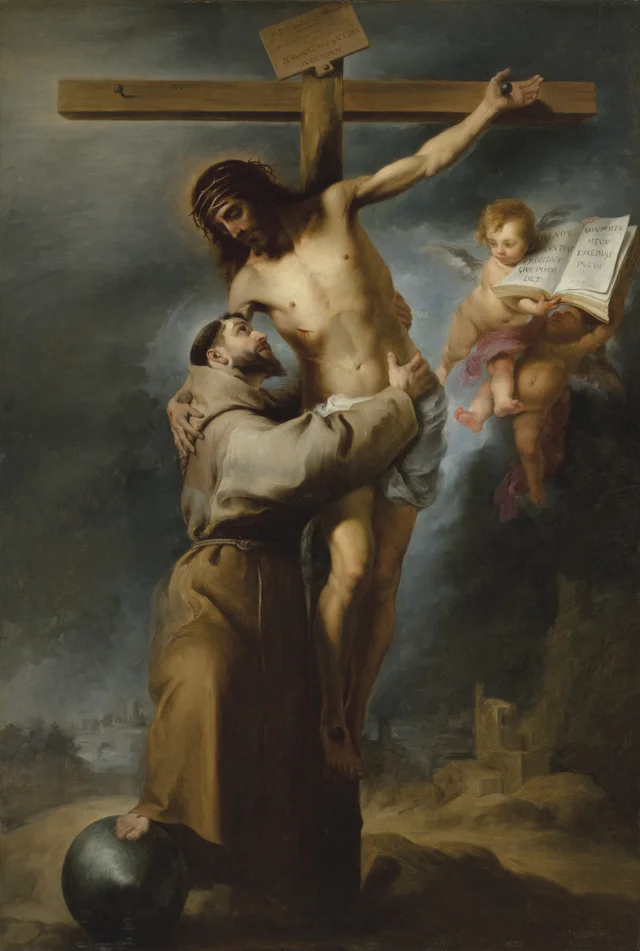 Saint Francis embracing Christ on the CrossBartolomé Esteban Murillo, 1668
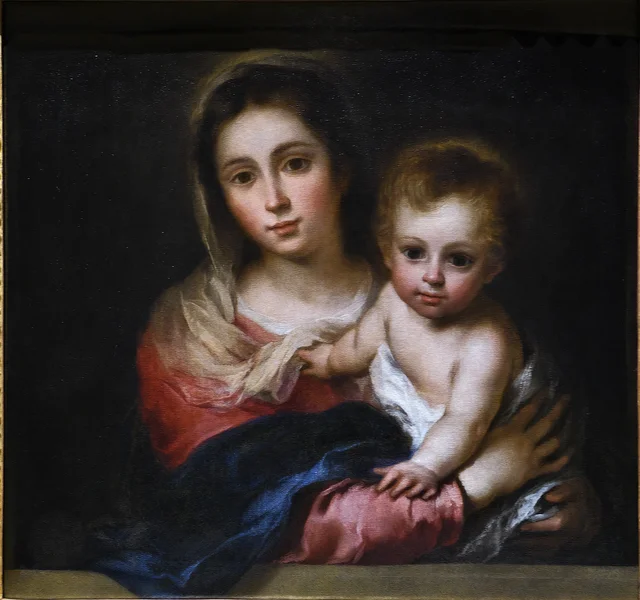 Madonna of the NapkinBartolomé Esteban Murillo, 1668
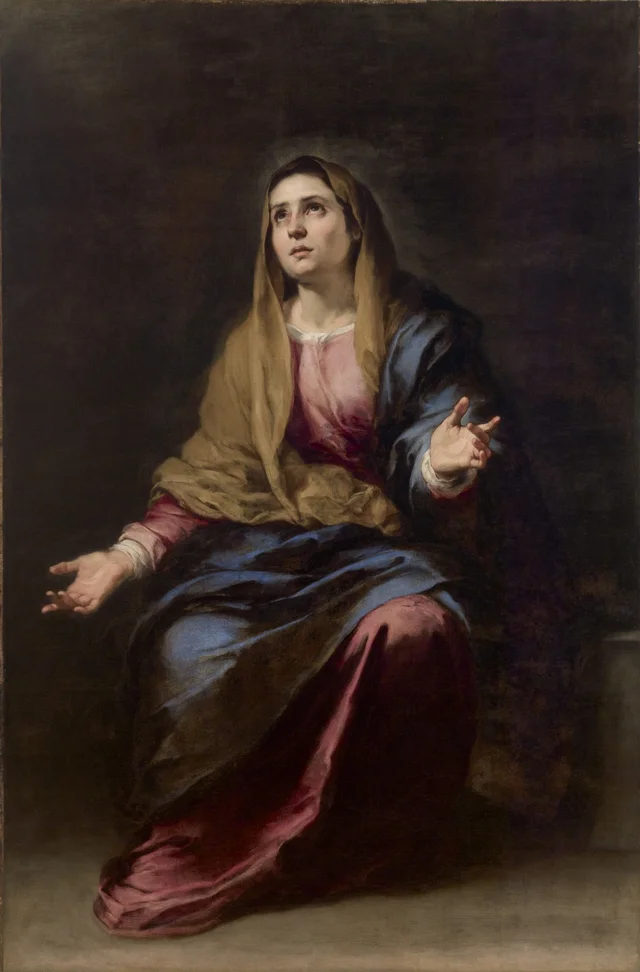 Mater DolorosaBartolomé Esteban Murillo, 1660
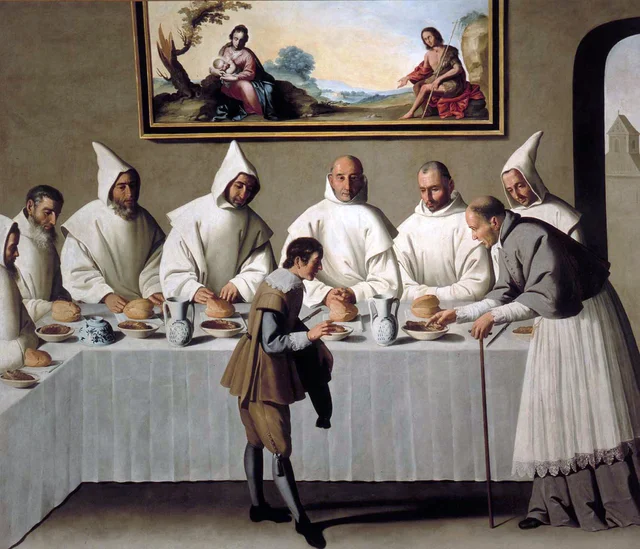 Saint Hugh in the Carthusian RefectoryFrancisco de Zurbarán, 1655
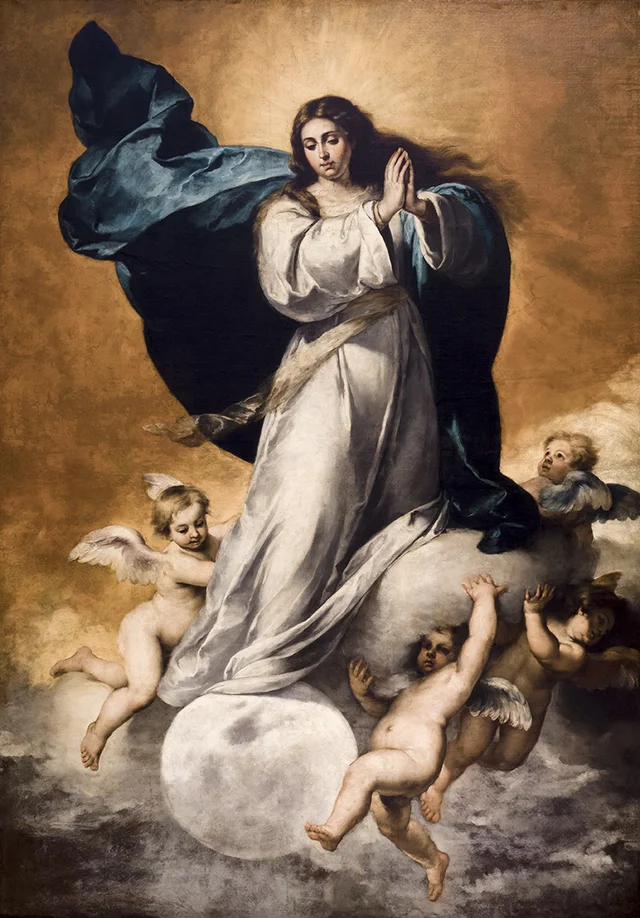 Immaculate ConceptionBartolomé Esteban Murillo, 1652
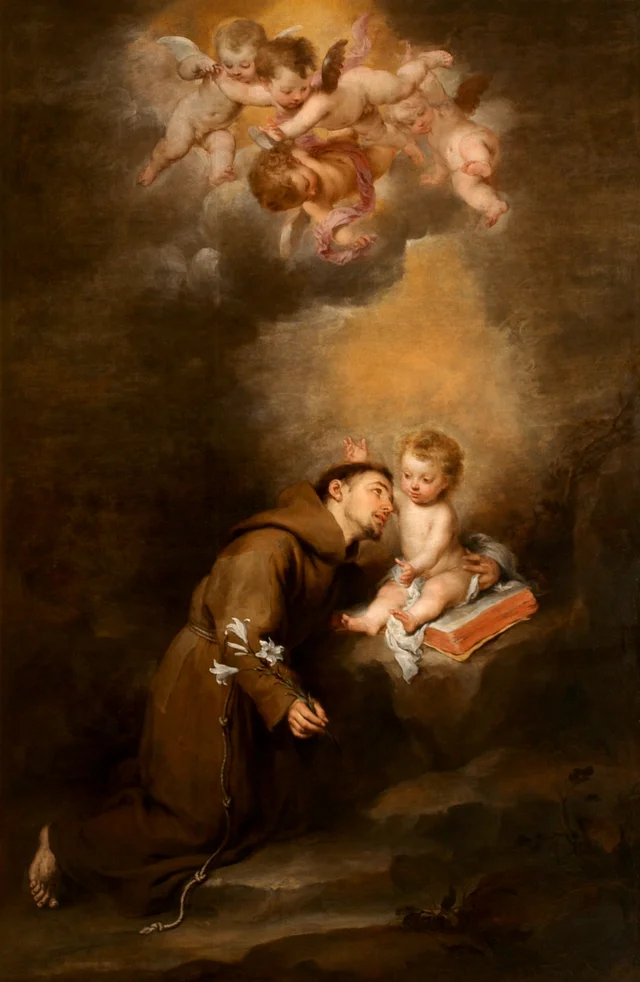 Saint Anthony of Padua with the ChildBartolomé Esteban Murillo, 1668
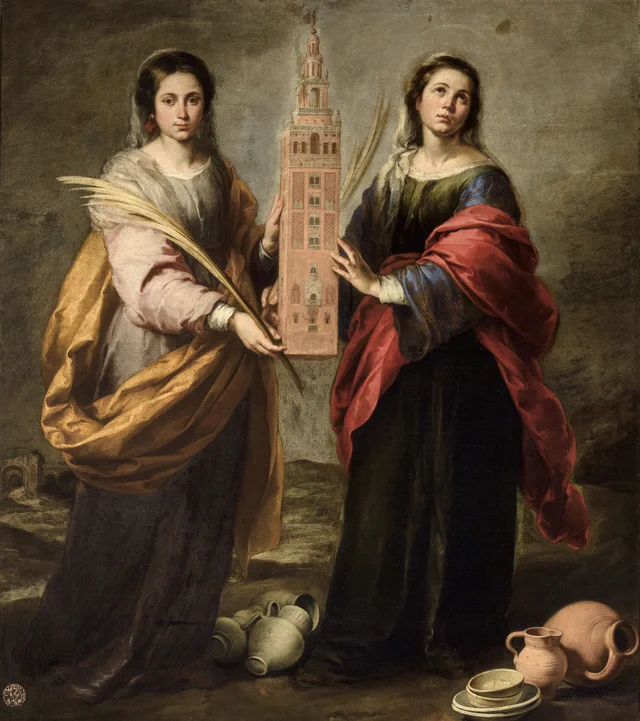 St. Justa and St. RufinaBartolomé Esteban Murillo, 1666
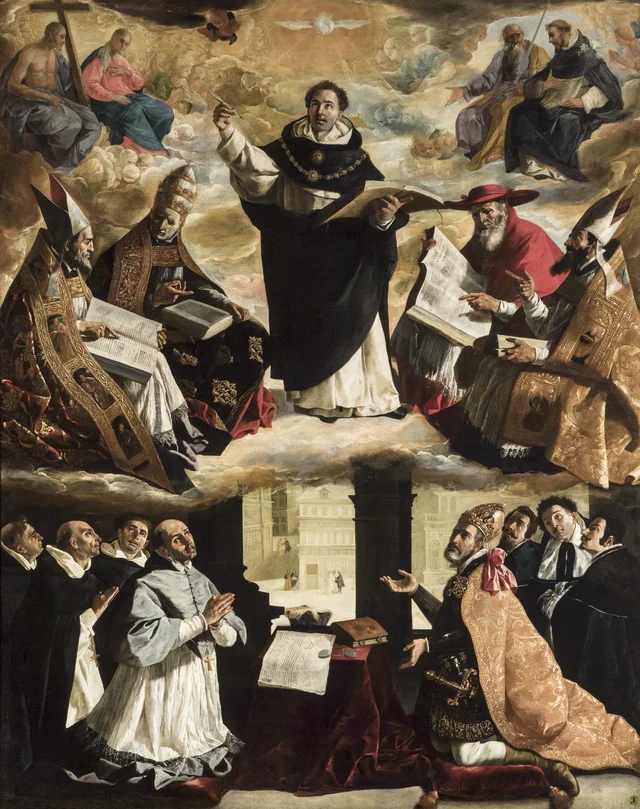 The Apotheosis of St. Thomas of AquinoFrancisco de Zurbarán, 1631
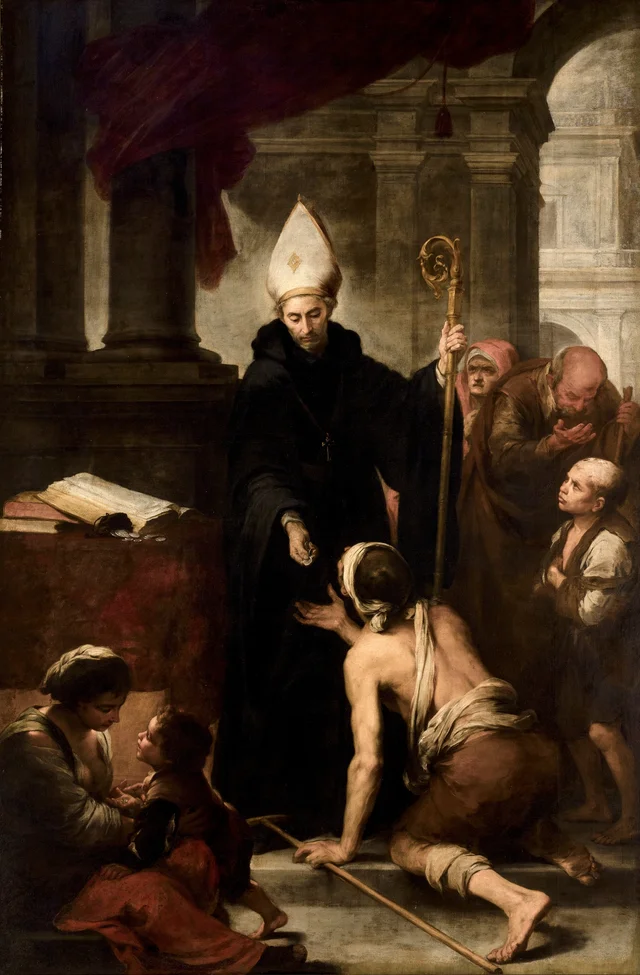 Saint Thomas of Villanueva giving alms to the poorBartolomé Esteban Murillo, 1668
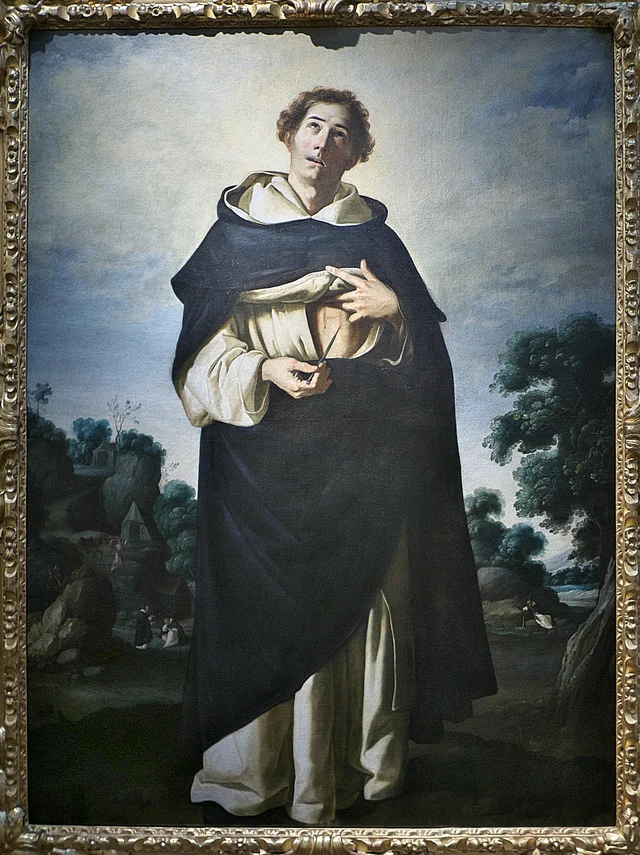 Blessed Henry SusoFrancisco de Zurbarán, 1639
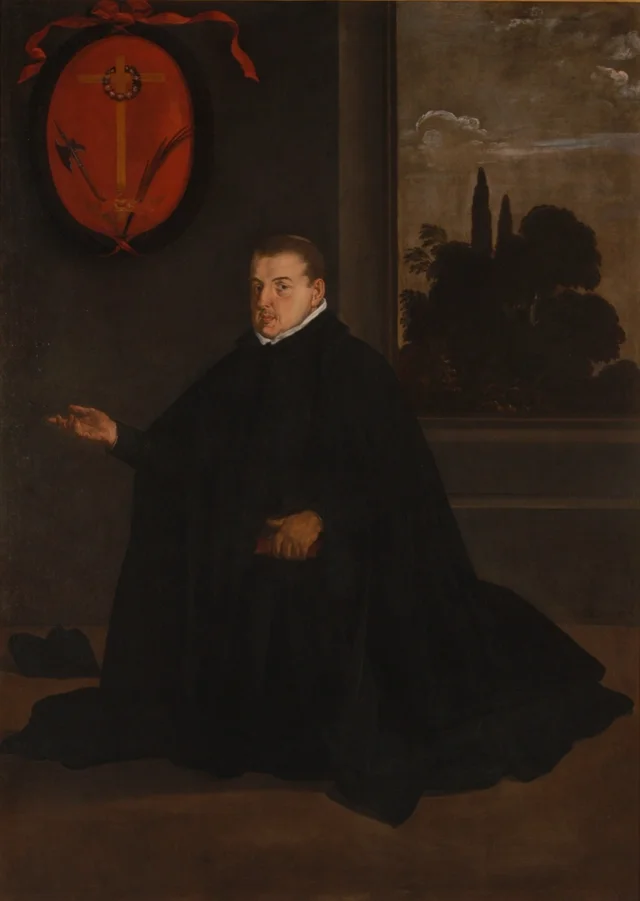 Don Cristóbal Suárez de RiberaDiego Velázquez, 1620
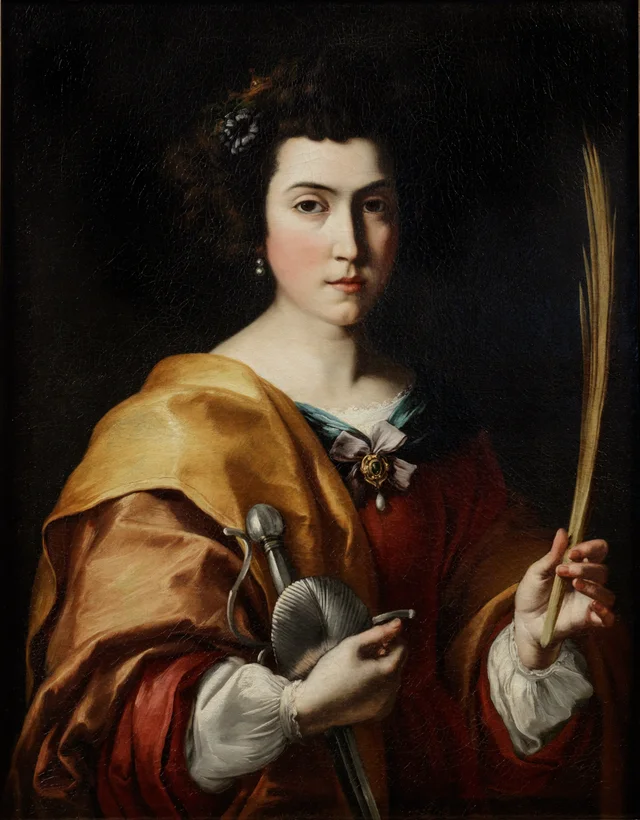 Saint Catherine of AlexandriaBartolomé Esteban Murillo, 1650
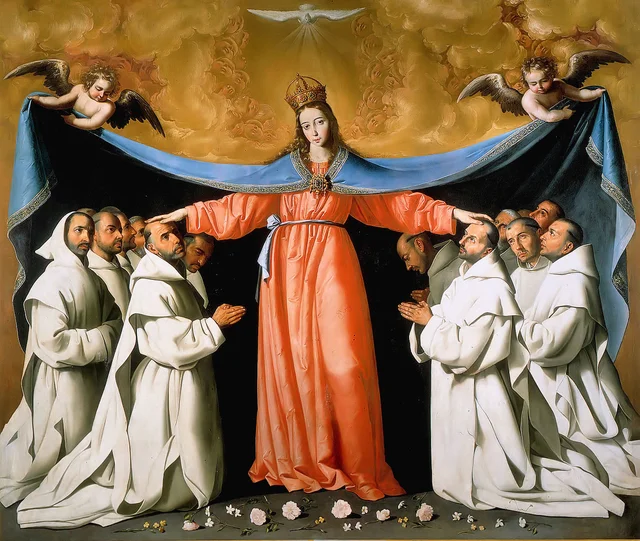 The Virgin of the CavesFrancisco de Zurbarán, 1650
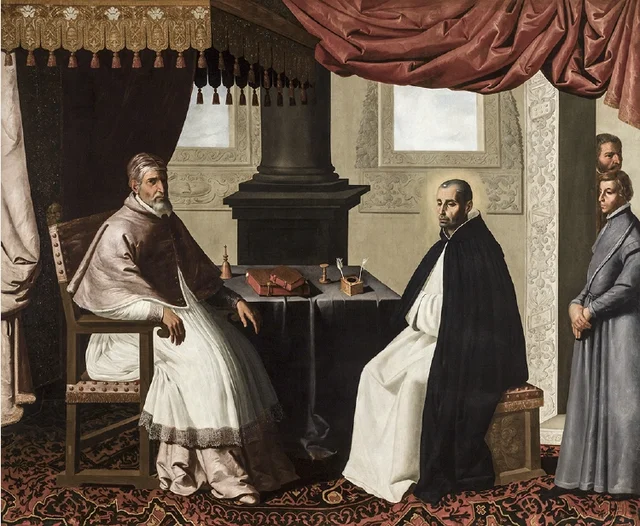 The Visit of Saint Bruno to Urban IIFrancisco de Zurbarán, 1655
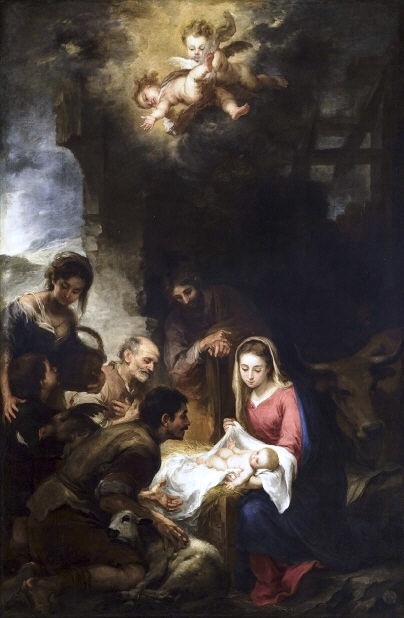 Adoration of the ShepherdsBartolomé Esteban Murillo, 1668
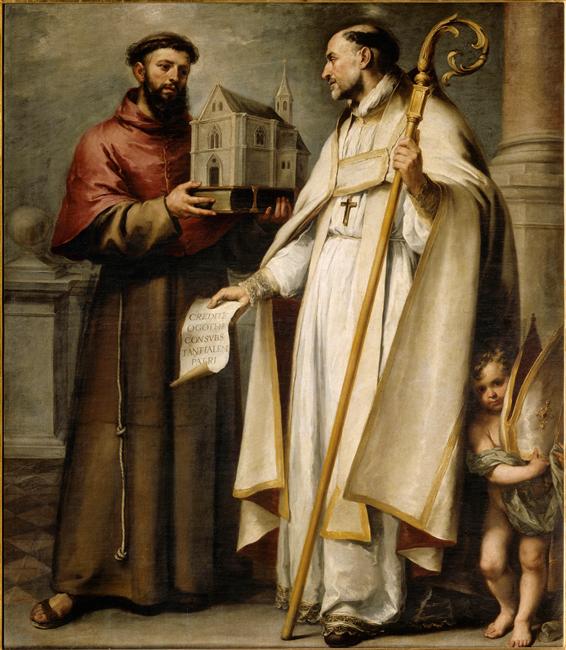 S. Leander and S. BonaventuraBartolomé Esteban Murillo, 1665