The story
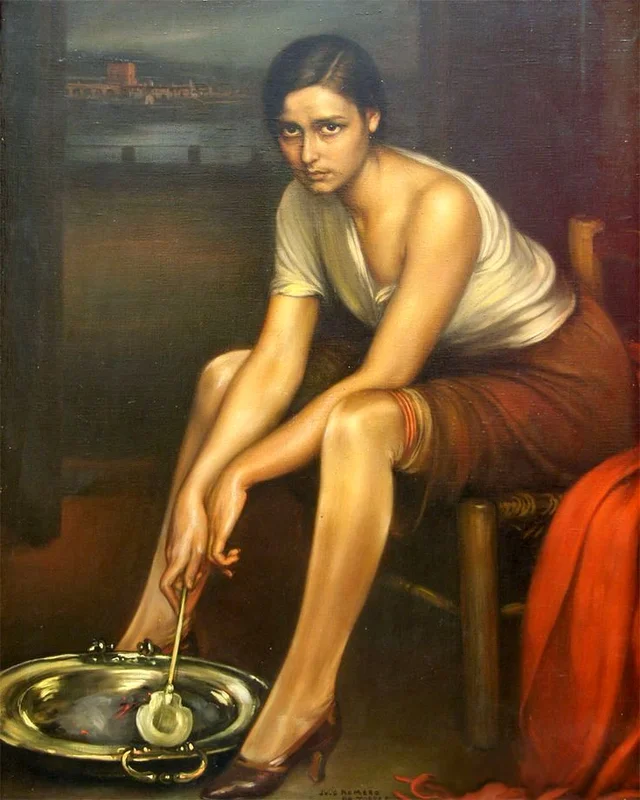
La chiquita piconera was painted in 1930, the year Julio Romero de Torres died, and is often called his pictorial testament. It shows a young girl beside a brazier, the pan in which fine charcoal called picón burned to warm Córdoba homes. It was painted by the artist best known for his dark-eyed Andalusian women. Visitors see it in the building where he was born and where he died.
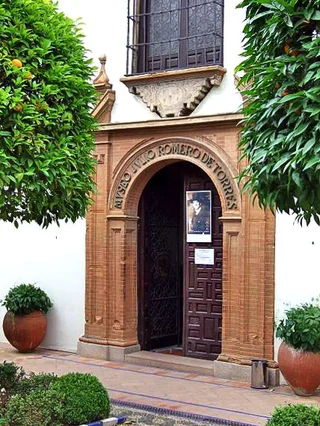
This former Hospital de la Caridad on the Plaza del Potro also houses the city's fine arts museum. The painter's father, Rafael Romero Barros, was its founding director and the family lived on the premises, so Julio was born here in 1874 and died here in May 1930. The next year his widow, Francisca Pellicer, and their children gave his work to the city, and the museum opened in November 1931.
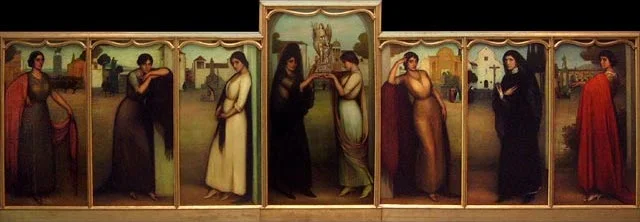
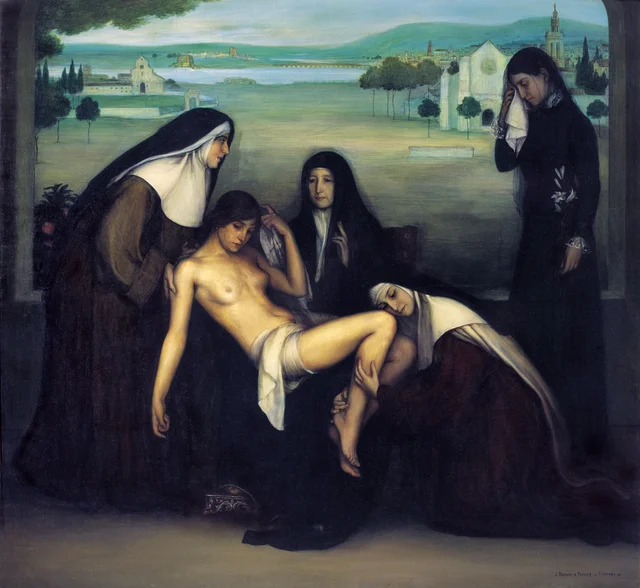
The rooms move from his early posters and family portraits to religious pictures and the large compositions on women and Andalusia. The most ambitious is Poema de Córdoba, from 1913, seven panels in which female figures embody different chapters of the city's history. Three generations of the family lived in the house, the last of them until 1991.