The story
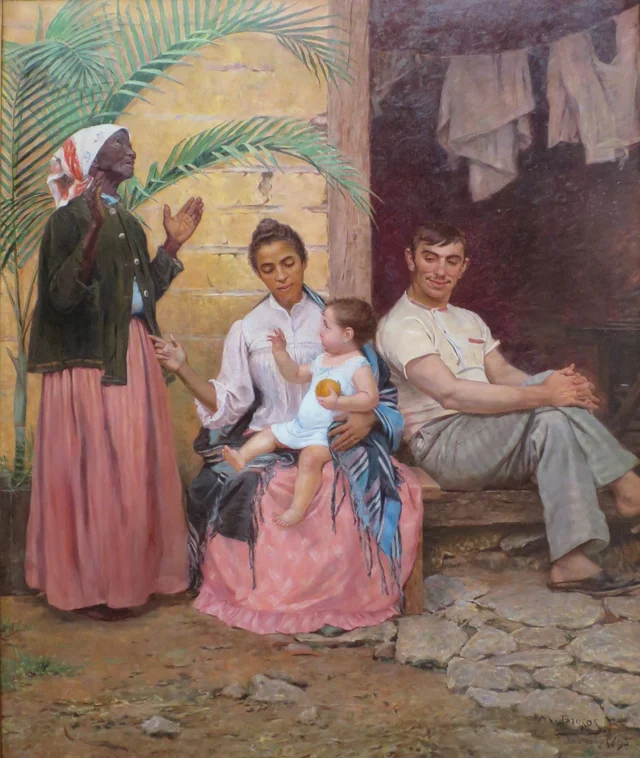
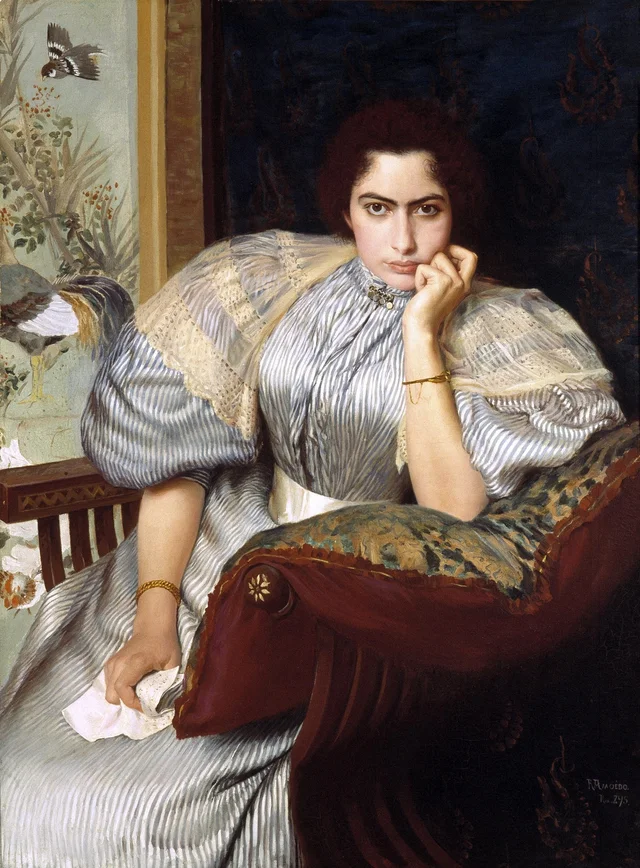
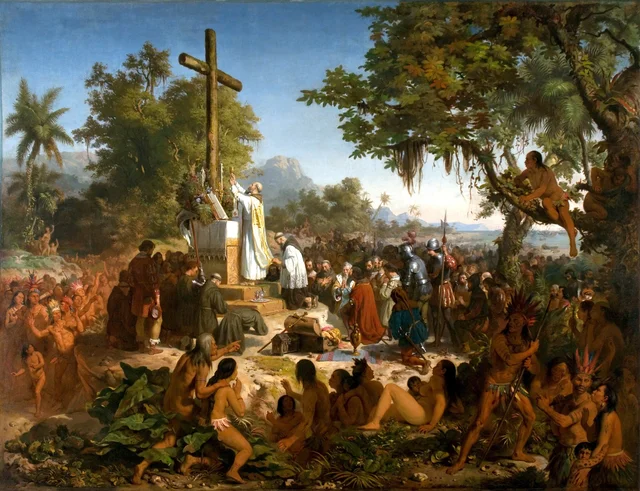
Brazil's national art collection begins with a shipload of French artists. In 1816 King João VI, whose Portuguese court had fled Napoleon and settled in Rio de Janeiro, brought over a French Artistic Mission to found an academy, and the paintings they carried, together with pictures the king left behind when he sailed home, became the seed of this museum.
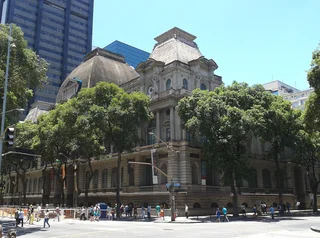
Opened in its present form in 1937, in the former fine-arts academy building downtown, it traces Brazilian art from colonial religious painting to the 19th-century masters. Its showpiece is enormous: Pedro Américo's Battle of Avaí of 1877, a wall-sized scene from the war with Paraguay, among the largest oil paintings in the world. Around it hang European works brought by the mission, including Debret's and Taunay's records of a young Brazil.
For now most of this is out of reach. The museum closed for renovation in 2020, and when it began to reopen in 2026 only the Galeria de Moldagens II, a hall of plaster casts of classical sculpture, came back. Full reopening is planned for the end of 2026.