The story
Leipzig was a prosperous merchant city when a group of its citizens formed an art association in 1837, pooling their means to build a collection the public could see. That association is the root of the Museum der bildenden Künste, and civic ownership still marks it, these pictures gathered by the city itself rather than by a prince or a church.
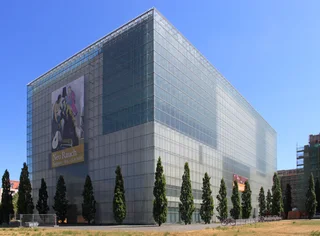
The old museum on Augustusplatz was destroyed by bombing in the Second World War, and the collection spent decades in makeshift quarters before a stark glass cube opened in the centre of Leipzig in 2004, letting daylight fall through its high halls. Inside, look for Caspar David Friedrich's The Stages of Life, painted around 1835, a small shoreline scene with ships at different distances that stands quietly for the ages of a family.
Old masters hang here too, Frans Hals and Cranach among them. But the other great draw is a local one: Max Klinger, born in Leipzig, whose seated marble-and-bronze Beethoven of 1902 shows the composer enthroned almost like a god, and whose sculpture and prints the museum holds in depth.
Collection
11 works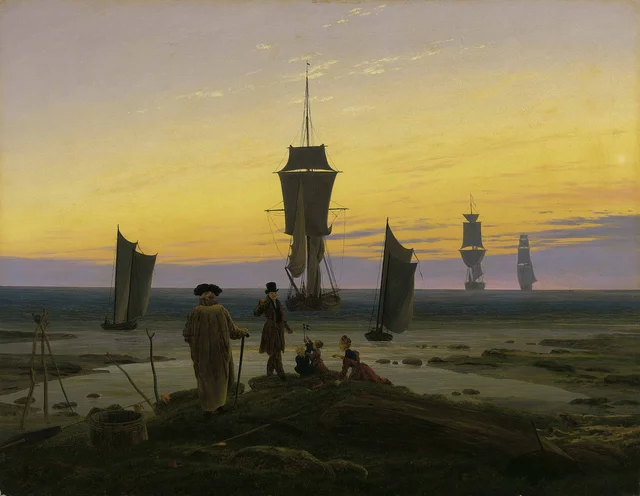 Life stagesCaspar David Friedrich, 1834
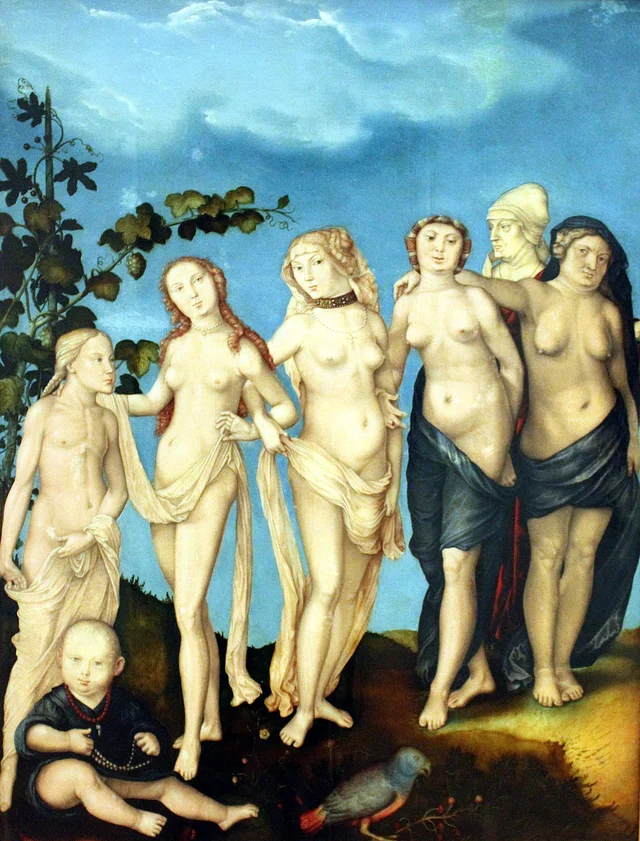 The Seven Ages of WomanHans Baldung Grien, 1544
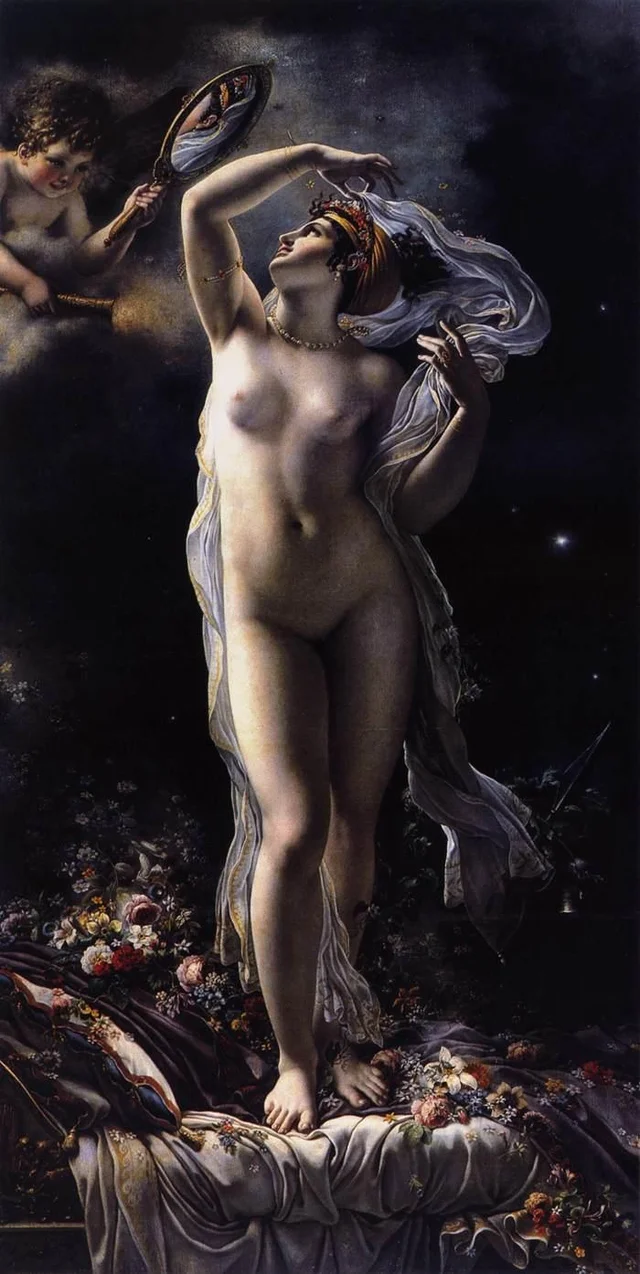 DanaëAnne-Louis Girodet, 1798
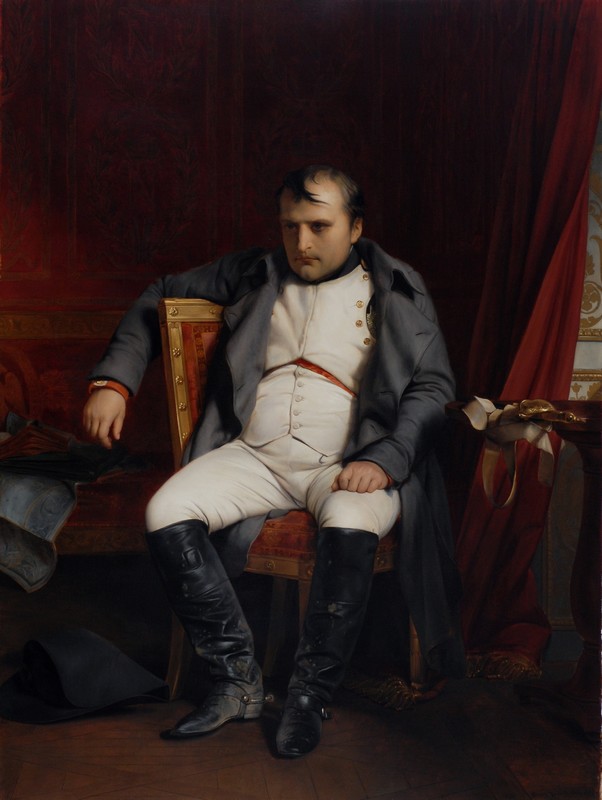 Napoléon Bonaparte abdicated in FontainebleauPaul Delaroche, 1845
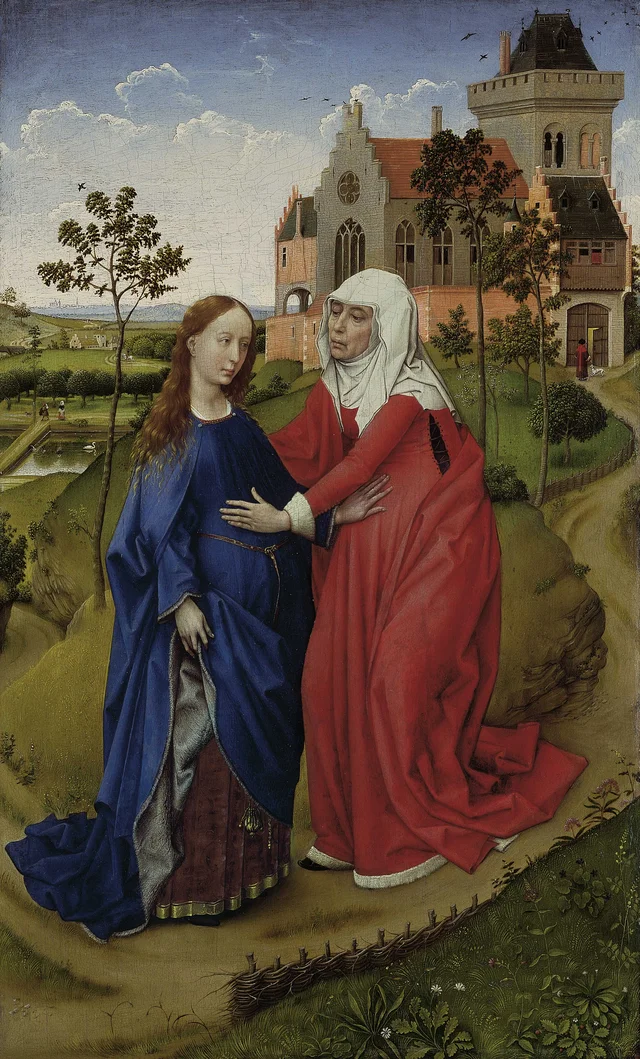 VisitationRogier van der Weyden, 1437
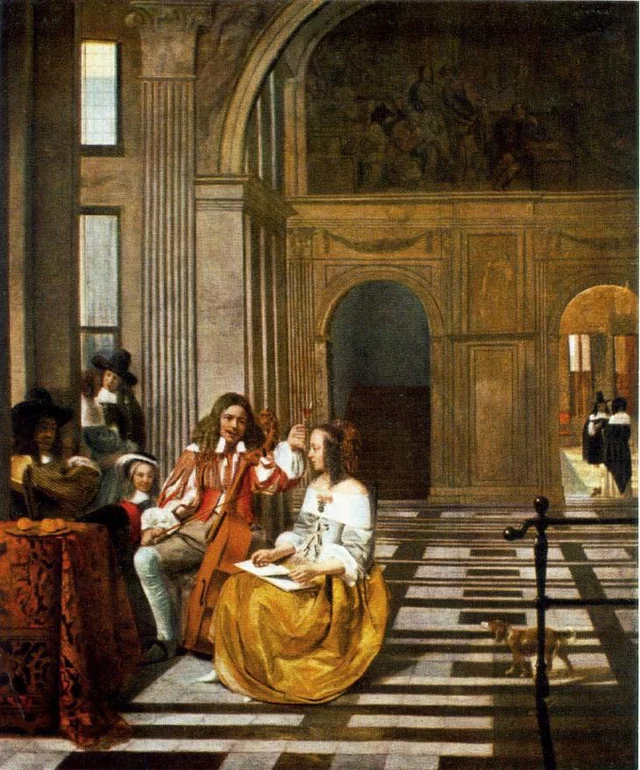 Musical Party in a HallPieter de Hooch, 1664
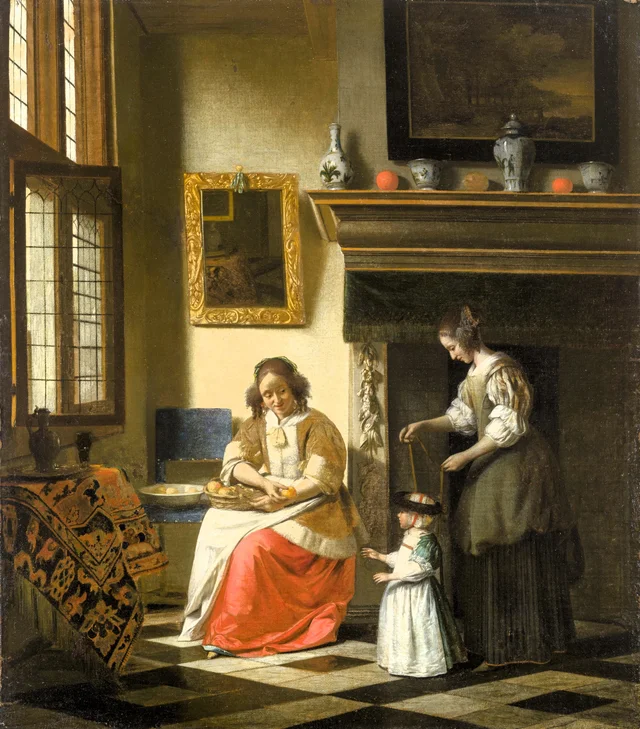 Teaching a Child to WalkPieter de Hooch, 1670
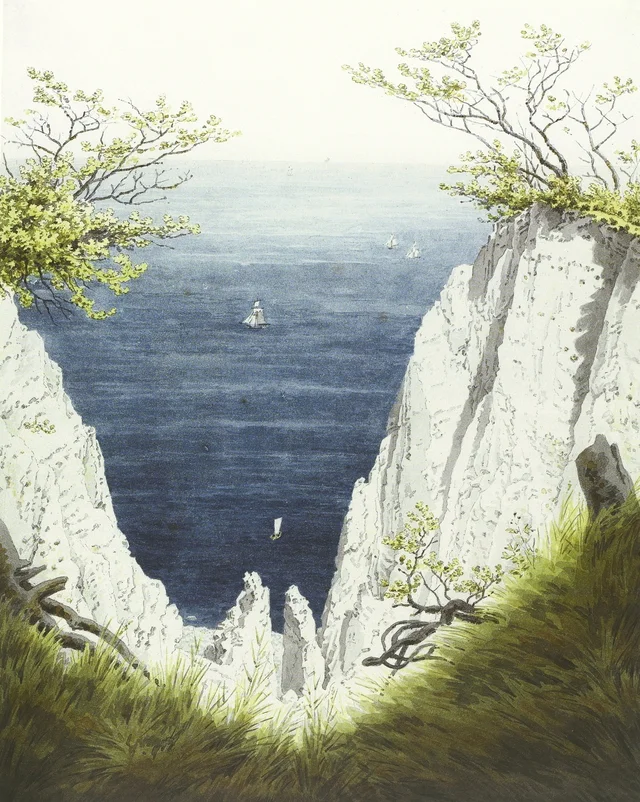 Chalk Cliffs at RuegenCaspar David Friedrich, 1820
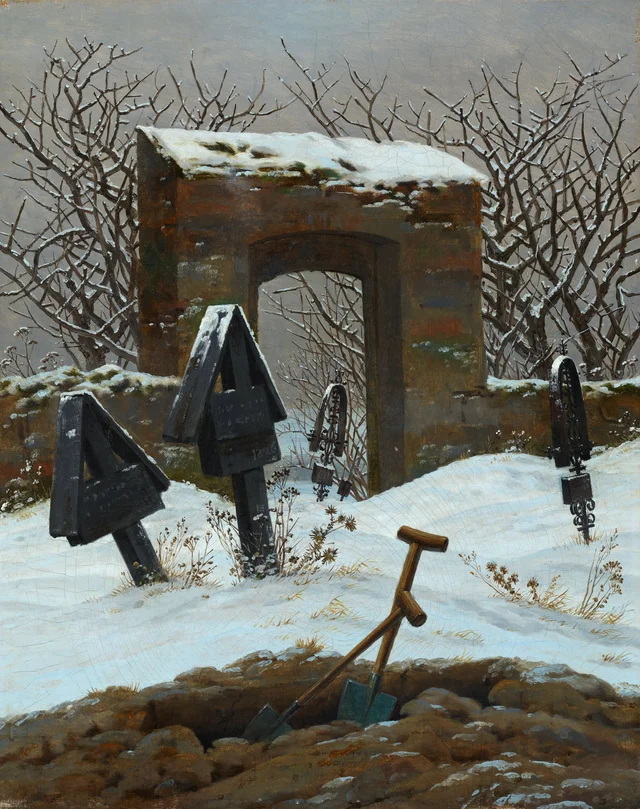 Graveyard under SnowCaspar David Friedrich, 1826
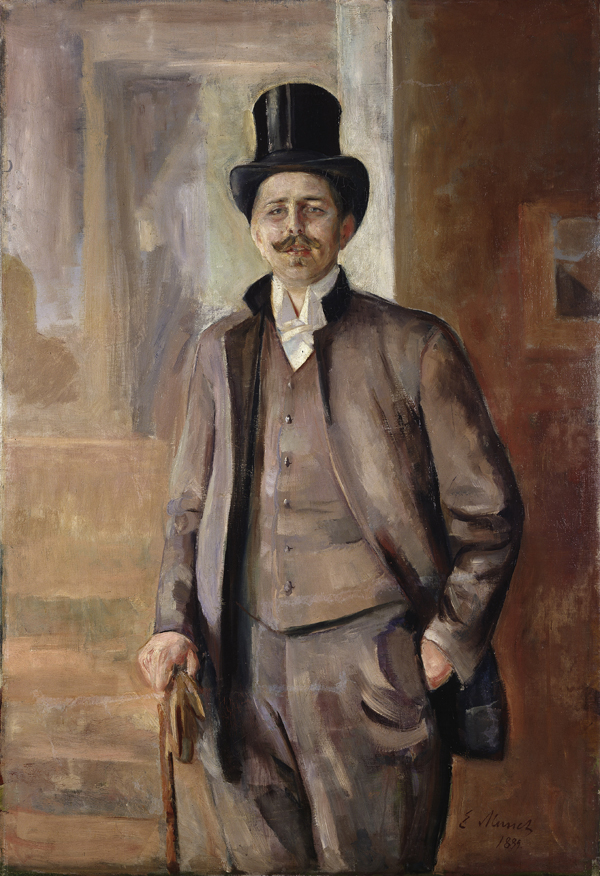 Karl DørnbergerEdvard Munch, 1889
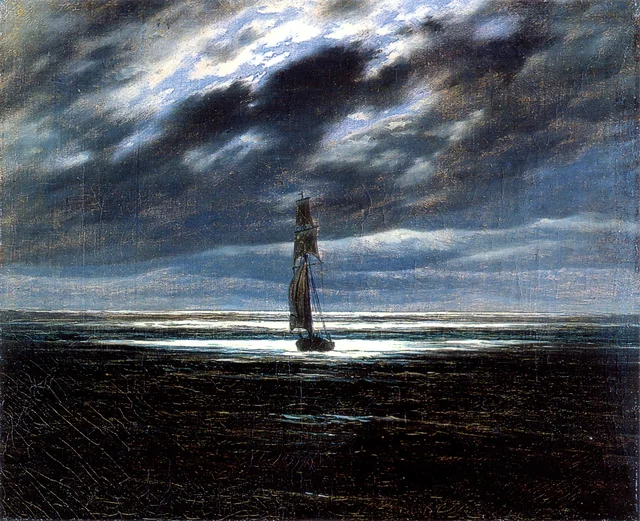 Seapiece by MoonlightCaspar David Friedrich, 1827