The story
In 1887, workers digging at the Cádiz shipyards uncovered a carved stone coffin shaped like a man, a Phoenician sarcophagus well over 2,000 years old. It became the founding object of the city's archaeology collection, and the museum still keeps it. Nearly a century later a matching female sarcophagus turned up, and the pair now lie side by side, a rare survival from the Phoenician trading city that stood here long before Spain existed.
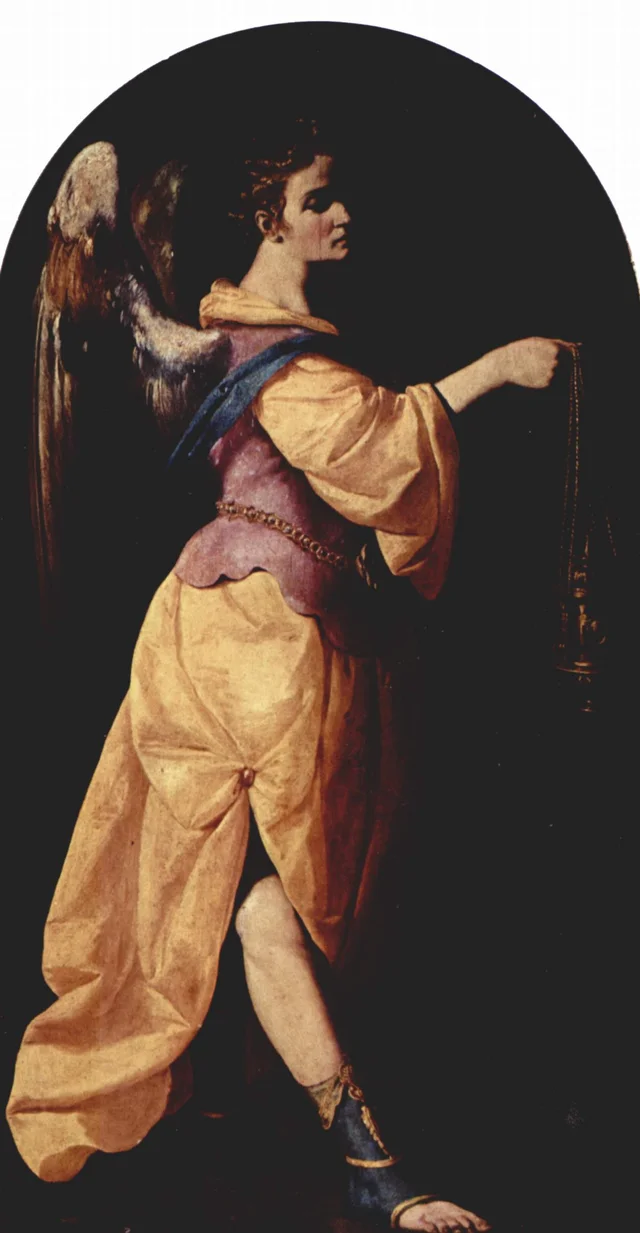
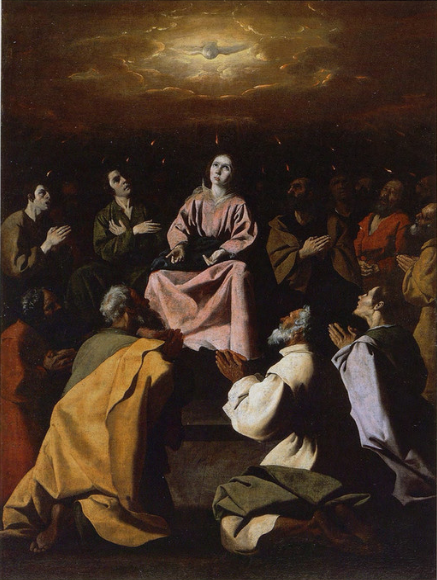
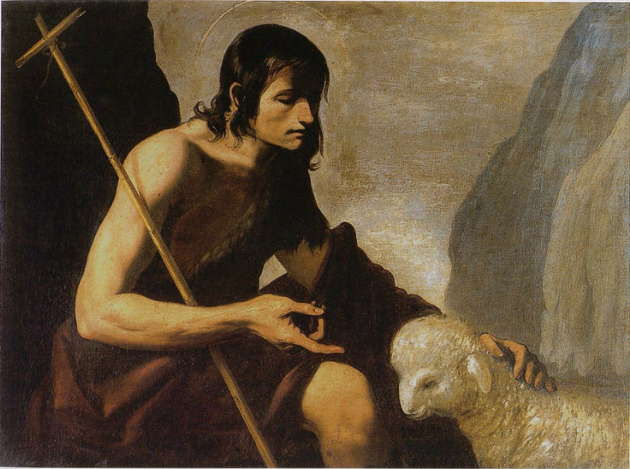
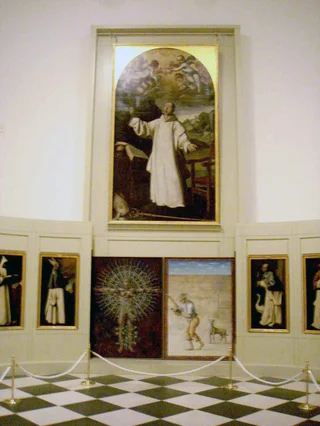
The Museum of Cádiz, in a former Franciscan convent, brings that archaeology together with a fine-art floor upstairs. Its best paintings are a group by Francisco de Zurbarán, monks in white habits, that came from a charterhouse near Jerez when Spanish monasteries were dissolved in the 1830s. A third section is given over to the old marionettes of the Cádiz puppet tradition. The two sarcophagi remain the thing most visitors come to stand in front of.