The story
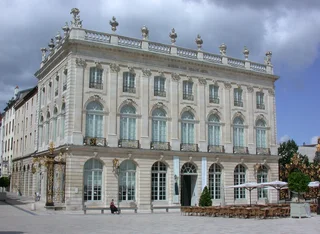
The Musée des Beaux-Arts of Nancy occupies an eighteenth-century pavilion on the Place Stanislas, the gilded square that a deposed Polish king, Stanislas, laid out as duke of Lorraine, now one of the most admired squares in Europe. It is among the oldest museums in France, its collection begun soon after the Revolution.
Its outstanding painting is Caravaggio's Annunciation, sent to Nancy around 1608, a dark canvas where the angel plunges toward a kneeling Mary out of near-total shadow. Around it hang Rubens, Perugino and a strong run of French painting.
Then the museum turns a corner. Down in the cellars, among the excavated remains of the city's medieval fortifications, it shows the glass of Daum, the Nancy firm that made the town a capital of Art Nouveau, hundreds of glowing coloured vases lit against the old stone walls.
Collection
17 works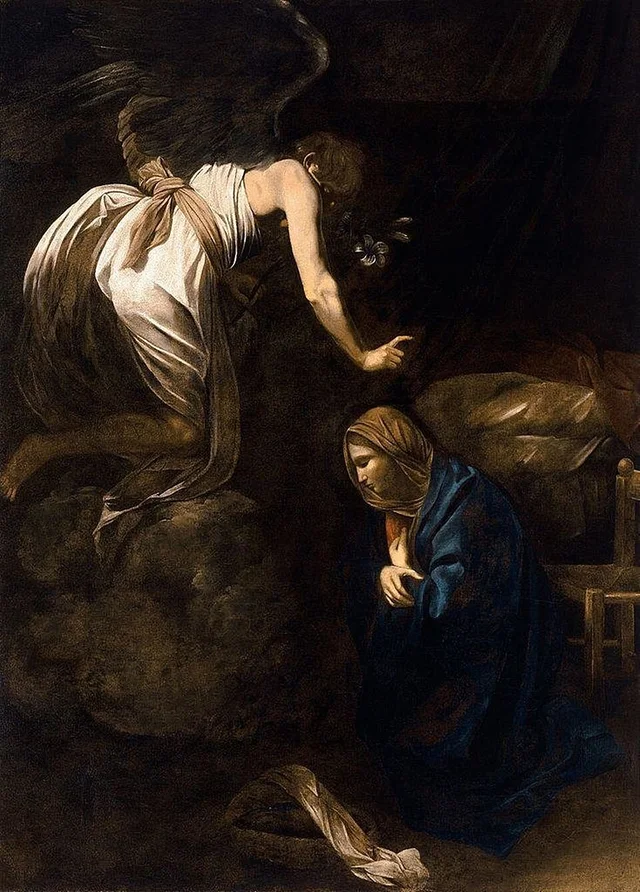 AnnunciationCaravaggio, 1609
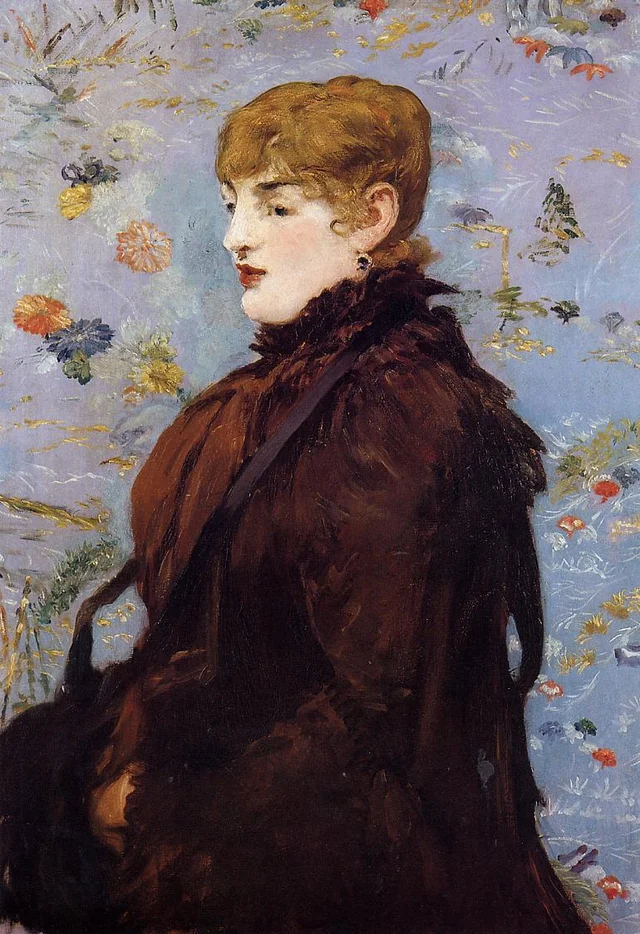 AutumnÉdouard Manet, 1882
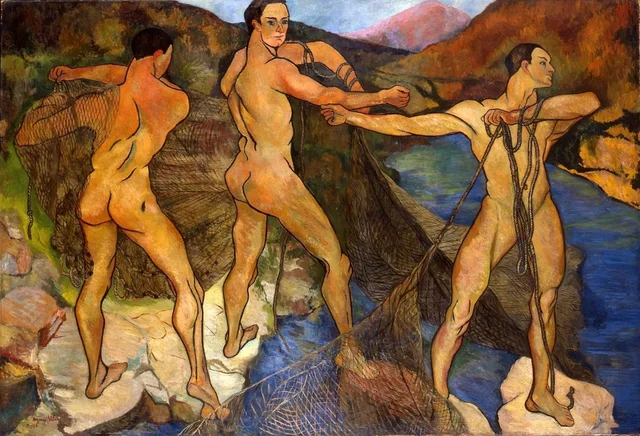 Casting the NetSuzanne Valadon, 1914
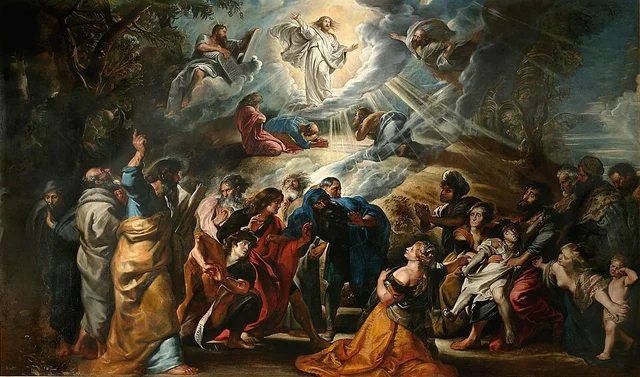 The TransfigurationPeter Paul Rubens, 1605
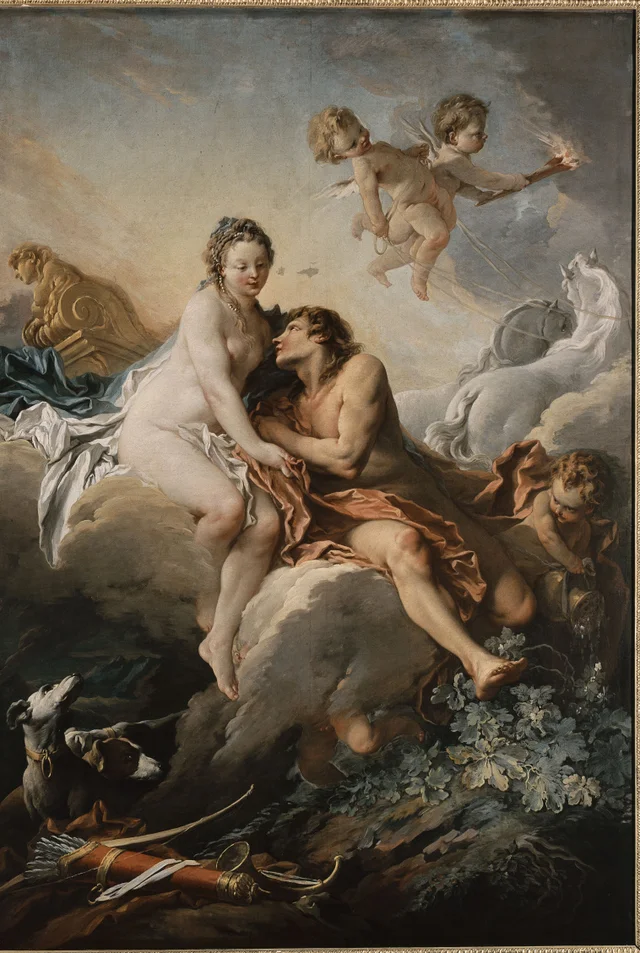 Aurora and CephalusFrançois Boucher, 1733
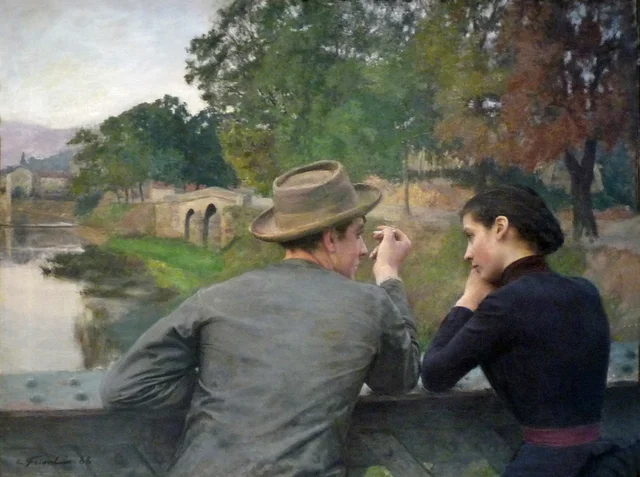 The Lovers (Autumn Evening)Émile Friant, 1888
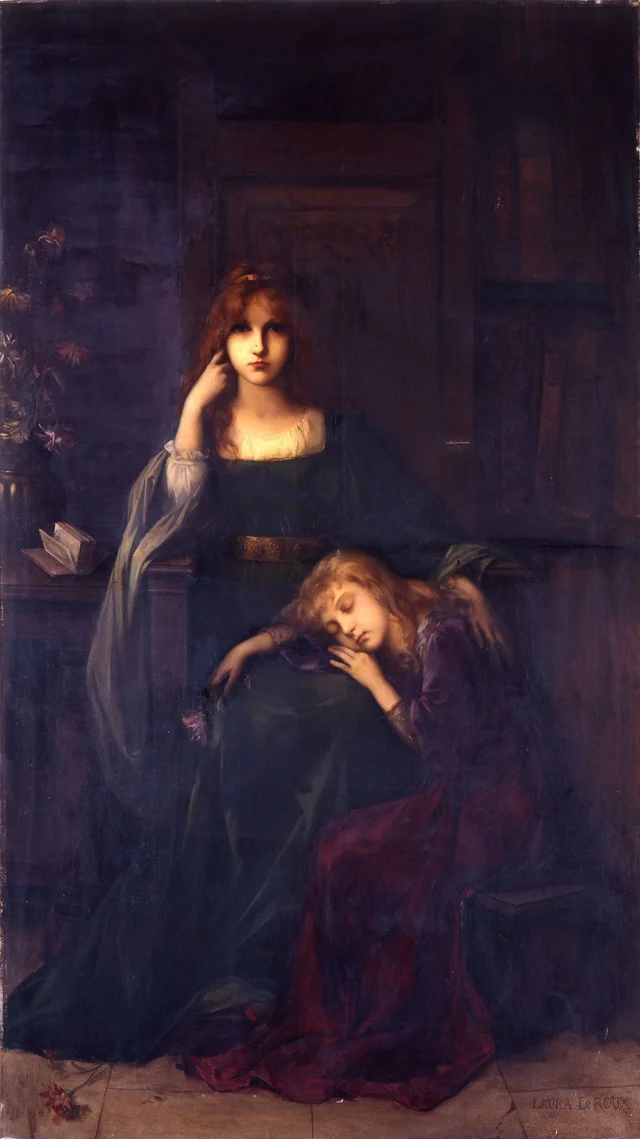 Anne and JehanneLaura Leroux-Revault, 1894
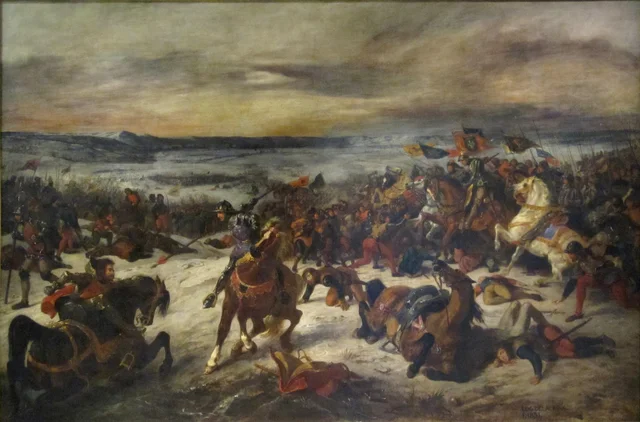 Battle of Nancy (1477)Eugène Delacroix, 1831
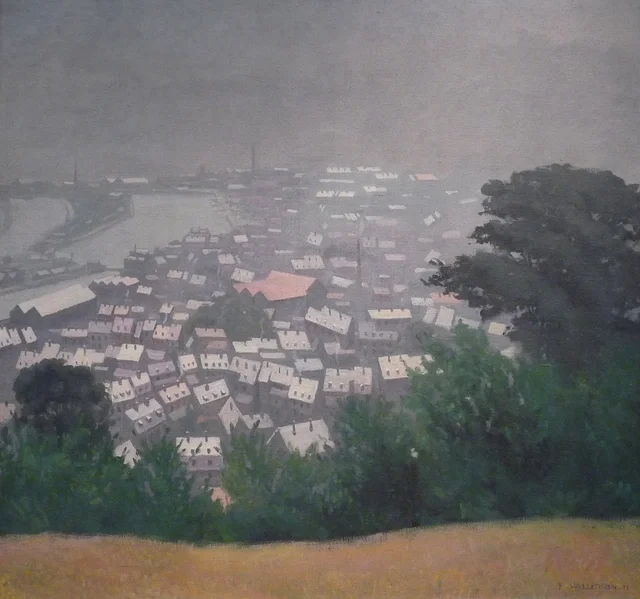 Honfleur in FogFélix Vallotton, 1911
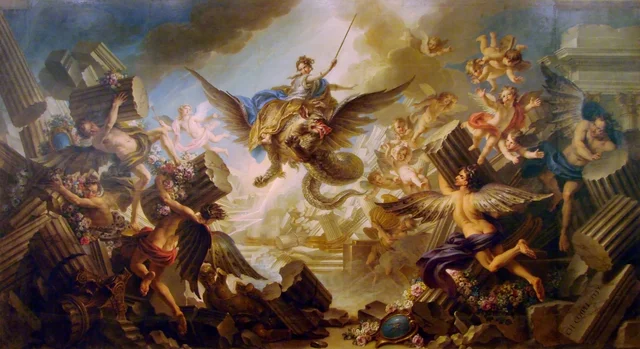 The Destruction of Armida's PalaceCharles-Antoine Coypel, 1737
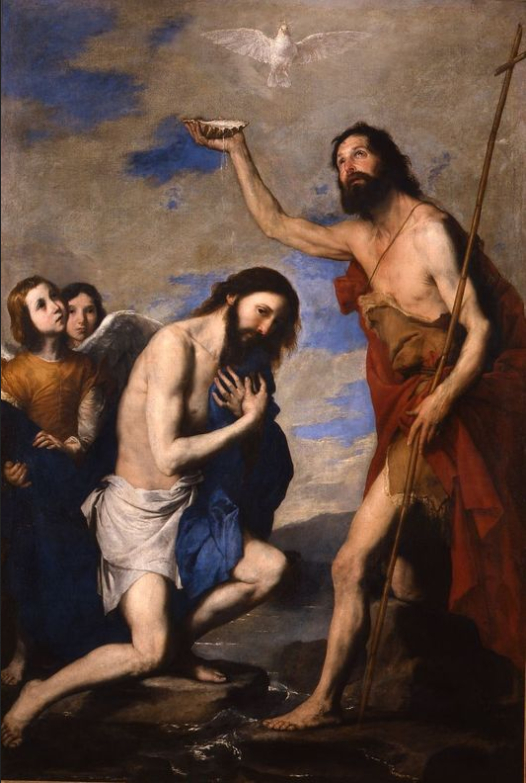 Baptism of ChristJusepe de Ribera, 1643
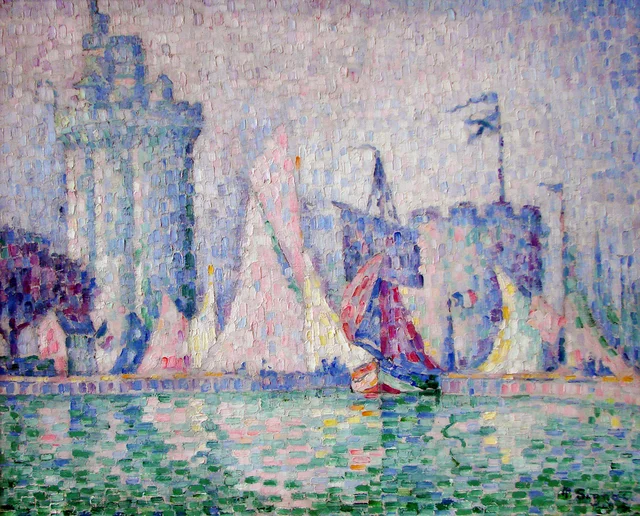 Port of La RochellePaul Signac, 1915
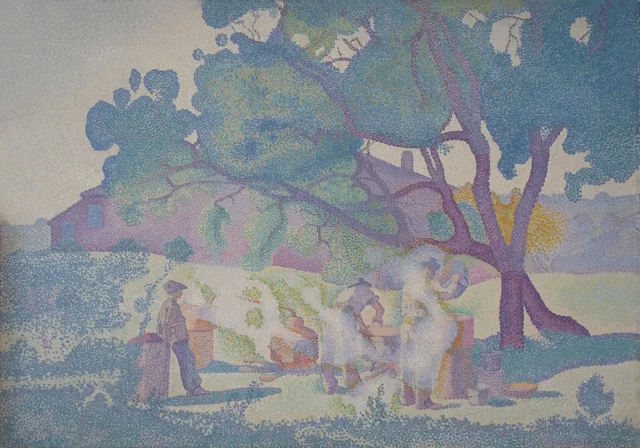 The Farm, MorningHenri-Edmond Cross, 1893
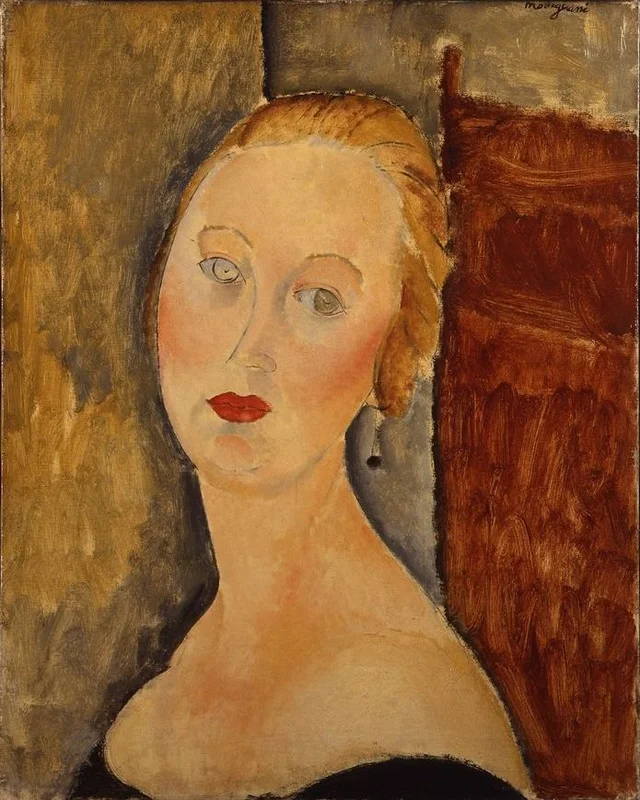 Germaine Survage with EarringsAmedeo Modigliani, 1918
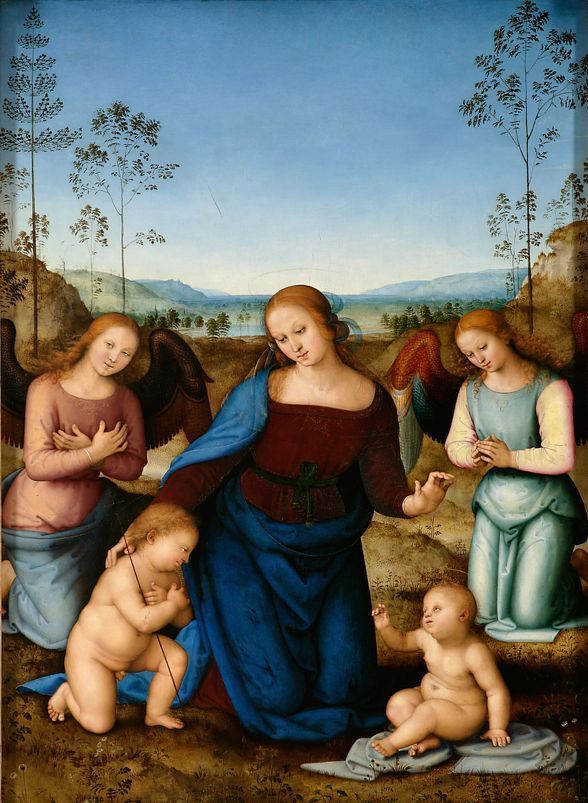 Madonna and Child with the Infant Saint John and Two AngelsPietro Perugino, 1505
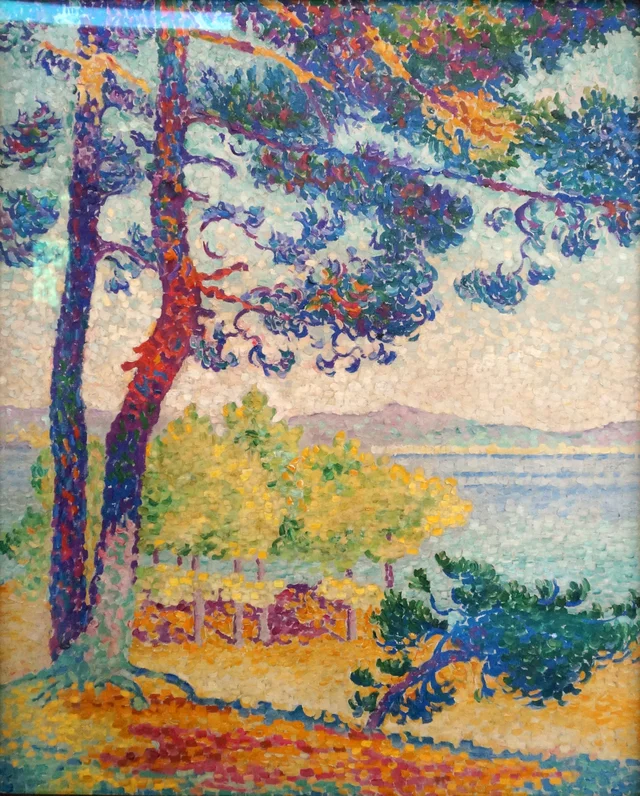 Afternoon in PardigonHenri-Edmond Cross, 1907
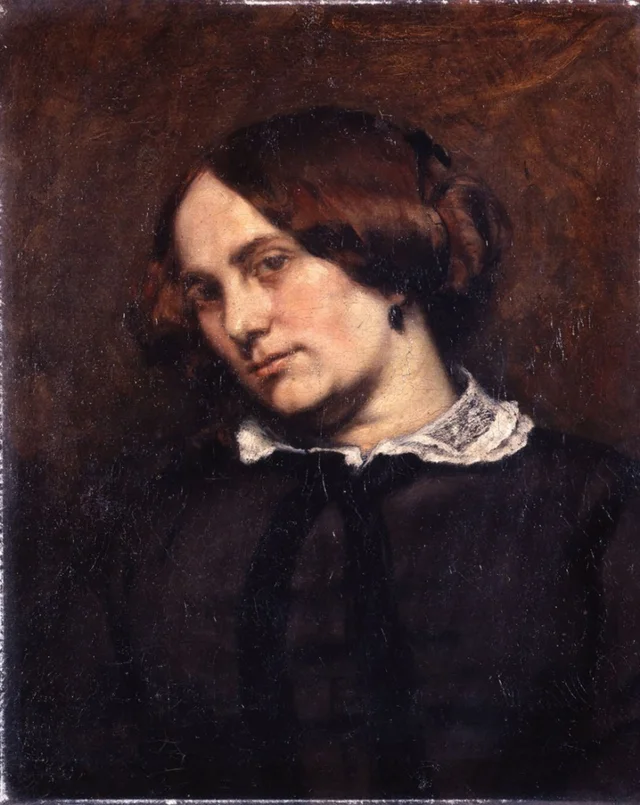 Portrait of Zelie CourbetGustave Courbet, 1853