The story
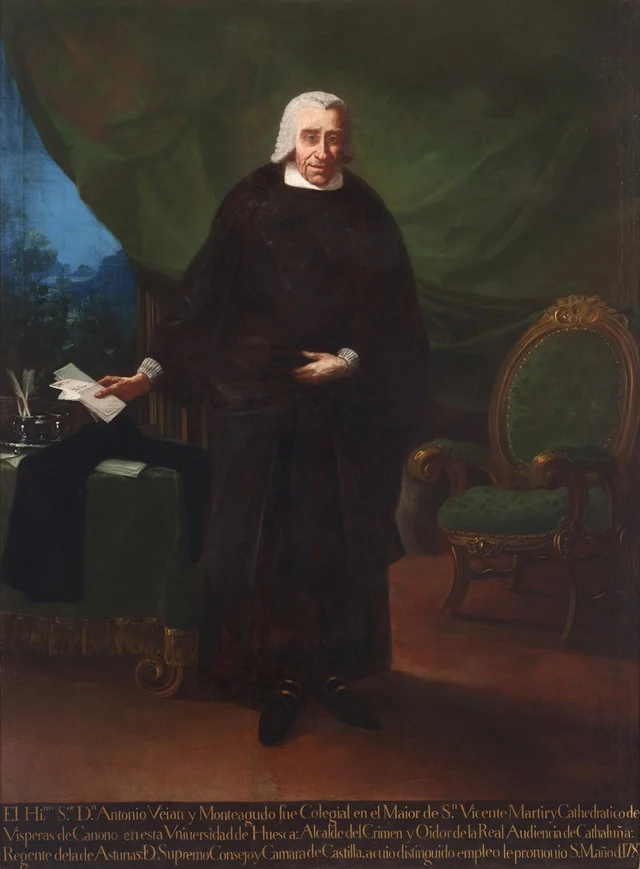
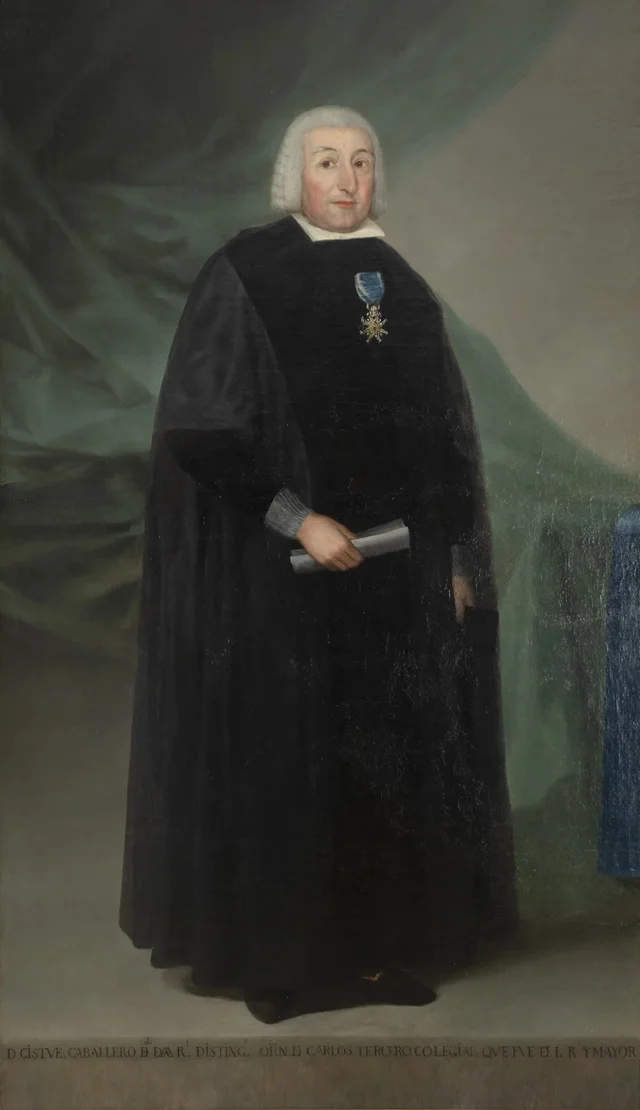
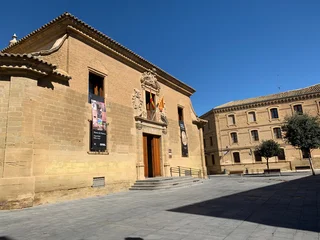
In 1782 and again in 1788 the University of Huesca, known as the Sertoriana, paid Francisco Goya for portraits of two eminent men to hang in its own halls. Antonio Veián y Monteagudo, newly named to the Council of Castile, came first, then José de Cistué y Coll. The two canvases are exactly the same size and were probably meant to hang side by side. Both are now back in the university's old building, which is the Museum of Huesca. The Cistué portrait had passed to the sitter's family after the university closed, and the Government of Aragon bought it in January 2025 for 3.6 million euros and deposited it here.
The building is a late 17th-century octagon around a courtyard, designed by the local architect Francisco Antonio de Artiga, joined to what survives of the palace of the kings of Aragon from the end of the 12th century. One vaulted room there is called the Room of the Bell, after the legend of Ramiro II, the monk-king said to have beheaded rebellious nobles.
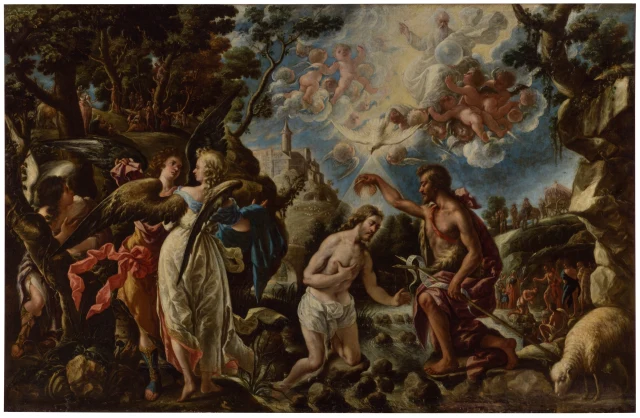
Among the older paintings is a Baptism of Christ from 1667 by Juan de Pareja, who was enslaved in Velázquez's workshop before he became a painter in his own right, and whose rich colour here owes more to Venice than to his master.