The story
Around the year 1005, ivory carvers in Córdoba, the capital of Muslim Spain, made a small casket for Abd al-Malik, son of Almanzor, the powerful chief minister of the caliphate. Covered with hunters, musicians and animals, it later held the relics of two martyred sisters at the monastery of Leyre, east of Pamplona. Today the Leyre casket is one of the objects people come to the Museum of Navarre to see.
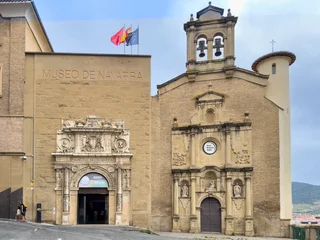
The museum opened in 1956 on the site of Pamplona's 16th-century Hospital of Our Lady of Mercy. Only the hospital's Renaissance doorway and its chapel survive, and the galleries were built around them. The rooms run in order through time, from Roman mosaics found in Navarre to Romanesque capitals carved for the cloister of Pamplona Cathedral and Gothic wall paintings taken down from churches across the region.
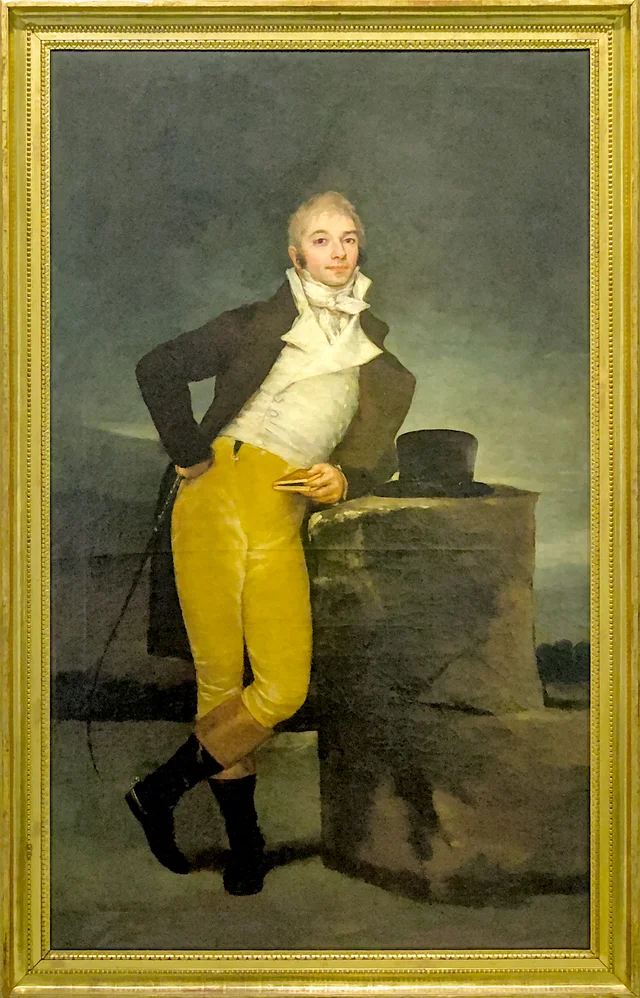
In the painting rooms hangs Francisco Goya's portrait of the Marquis of San Adrián, a nobleman from Tudela in southern Navarre, painted in 1804. Goya shows him in fashionable riding dress against an open landscape.