The story
In a small glass case in Madrid lies a pistol that the Museum of Romanticism keeps as the one with which the satirist Mariano José de Larra shot himself in 1837, at the age of 27. Larra became the model of the Spanish Romantic hero, and the room around the case is given over to him, with his portrait and his writings.
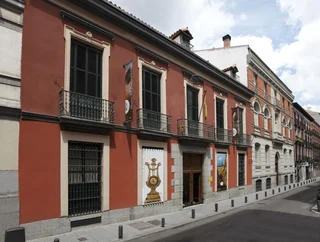
The museum was the project of the Marquis of Vega-Inclán, a collector and early promoter of tourism in Spain, who opened it in 1924 as the Romantic Museum in a late 18th-century palace on Calle de San Mateo. The state bought the building three years later, and after a long renovation the museum reopened in 2009 under its present name. Its rooms are furnished as the home of a well-off Madrid family of the 19th century, with a dining room, a billiard room and a ballroom.
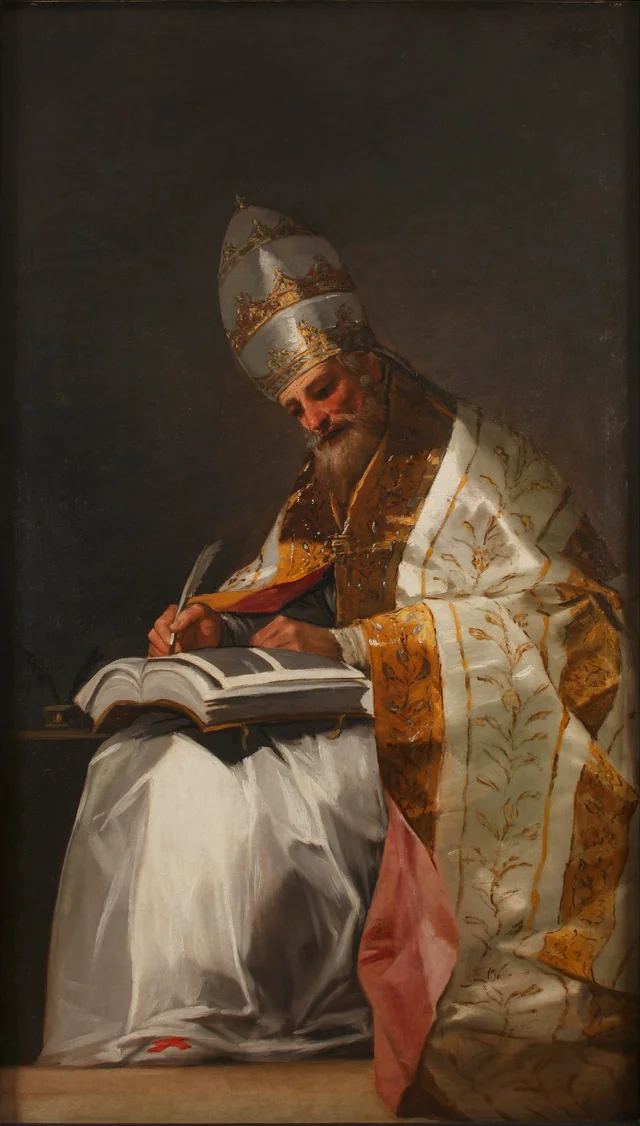
The paintings include portraits by Federico de Madrazo, the leading court portraitist under Queen Isabella II, and satires by Leonardo Alenza mocking the Romantic fashion for suicide. The best-known picture is older than the movement itself, Saint Gregory the Great, which Francisco de Goya painted in the late 1790s.