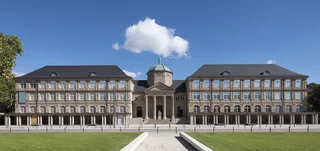
The story
Museum Wiesbaden does something few museums attempt: it puts art and the natural world under one roof and asks you to look at both the same way, with wings of paintings on one side and rooms of minerals, birds and butterflies arranged for their shape and colour on the other.
Its art heart is the Russian-born painter Alexej von Jawlensky, who spent his last 20 years in the spa town. Over the decades the museum has built up more than 100 of his works, glowing portraits and near-abstract faces built from stripes of colour, one of the most important Jawlensky collections anywhere. Since 2019 a second permanent draw has been a large gift of Art Nouveau, more than 500 pieces of the swirling decorative style of around 1900.
The museum itself grew from the collection of Johann Isaac von Gerning, a Frankfurt collector, which the Duchy of Nassau took on in 1824 in return for a lifelong annuity.
Collection
7 works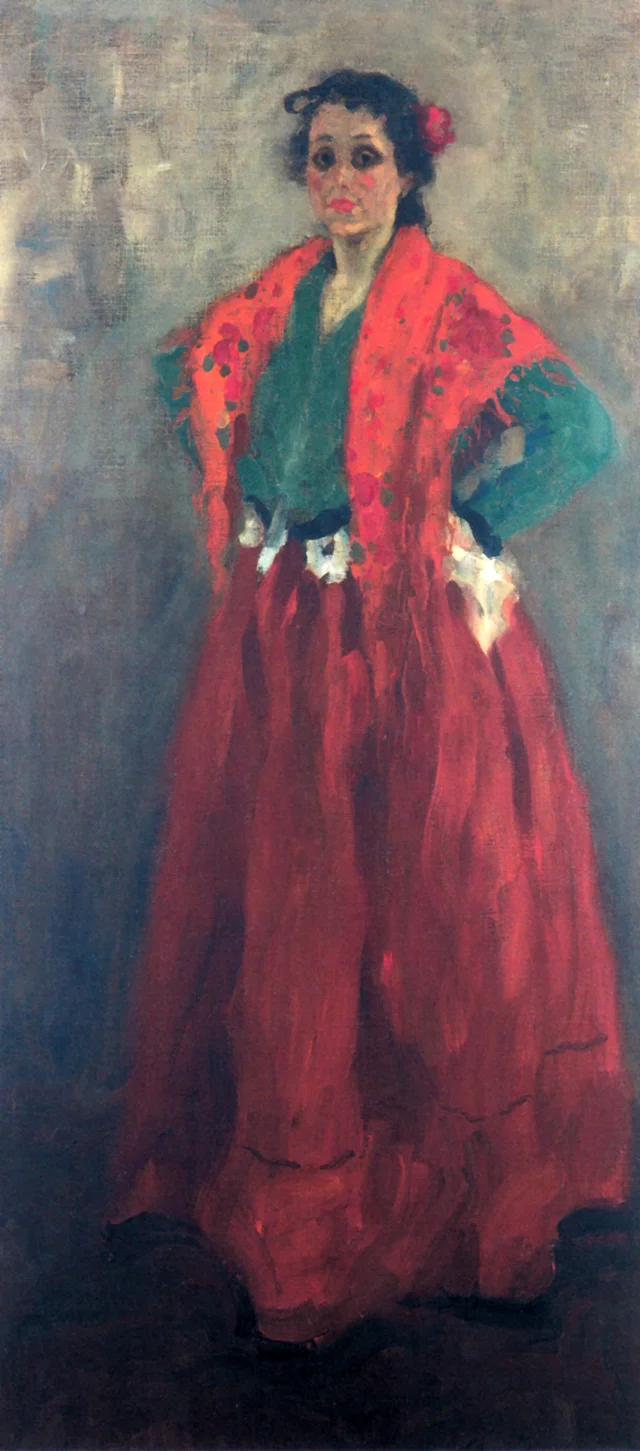 Helene in Spanish CostumeAlexej von Jawlensky, 1901
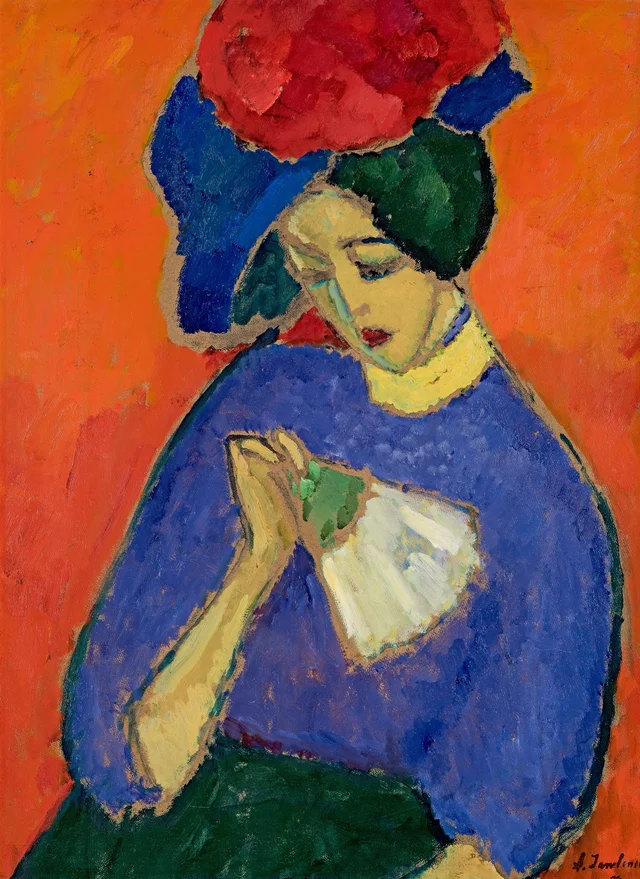 Lady with fanAlexej von Jawlensky, 1909
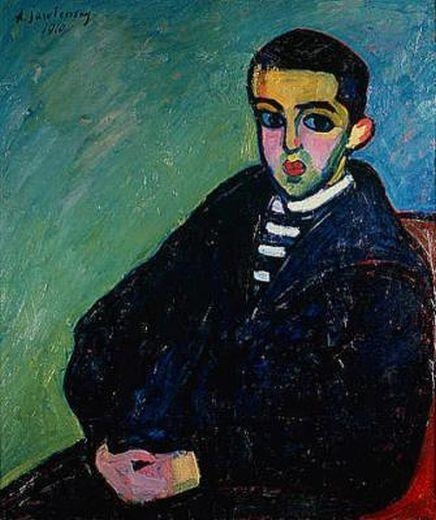 NikitaAlexej von Jawlensky, 1910
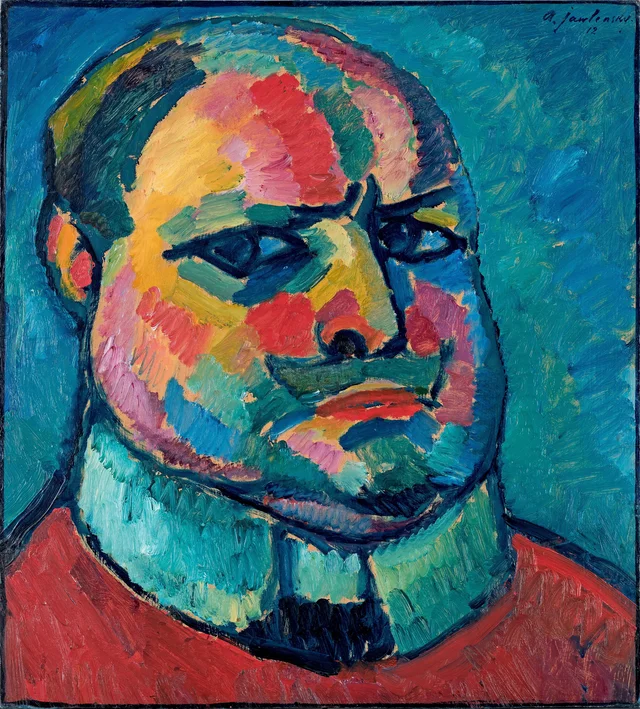 Self-portraitAlexej von Jawlensky, 1912
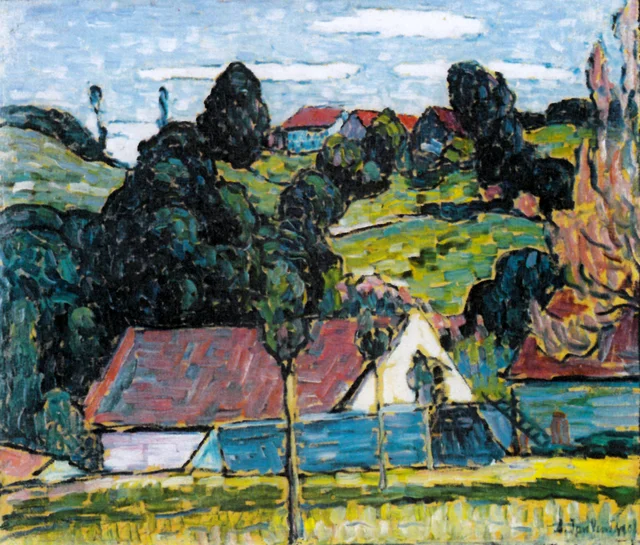 Sommertag, 1907Alexej von Jawlensky, 1907
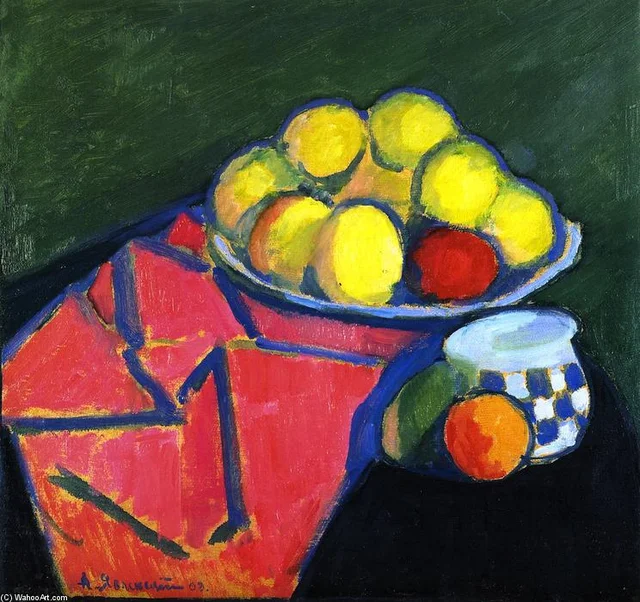 Still life with applesAlexej von Jawlensky, 1908
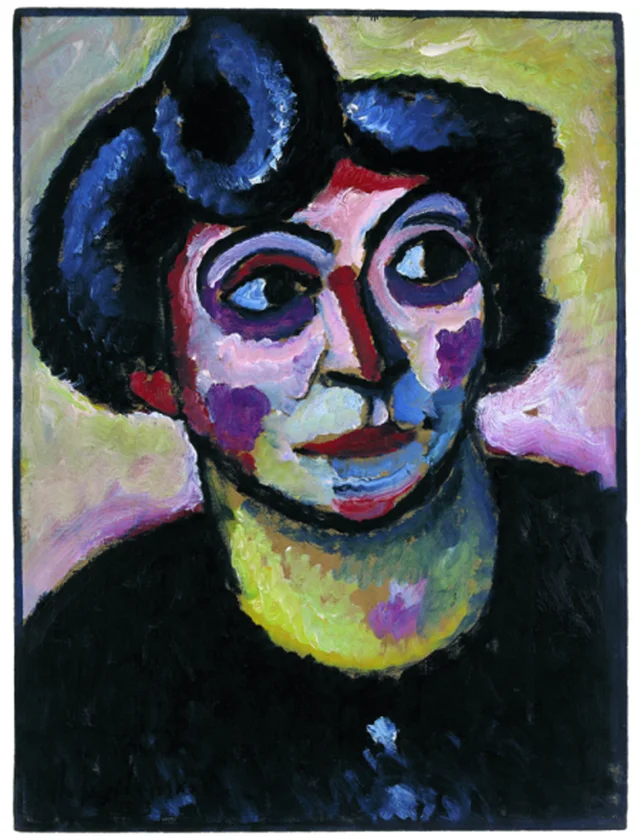 Woman with a Curl on Her ForeheadAlexej von Jawlensky, 1913