The story
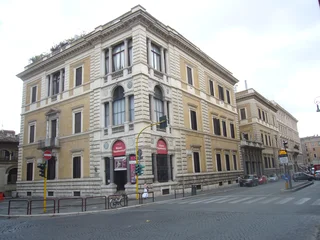
The Bonapartes in this museum are mostly the ones who ended up in Rome. Napoleon's brother Lucien settled there in 1804 after quarrelling with the emperor, and after Napoleon's fall his mother and several of his siblings found refuge in the city under Pope Pius VII. Count Giuseppe Primoli, a writer and photographer descended from Lucien through his mother, gathered their portraits, keepsakes and gifts from his relatives. In 1927, the year he died, he gave the collection to the city of Rome together with the ground-floor rooms of his palace by the Tiber, where it is still shown.
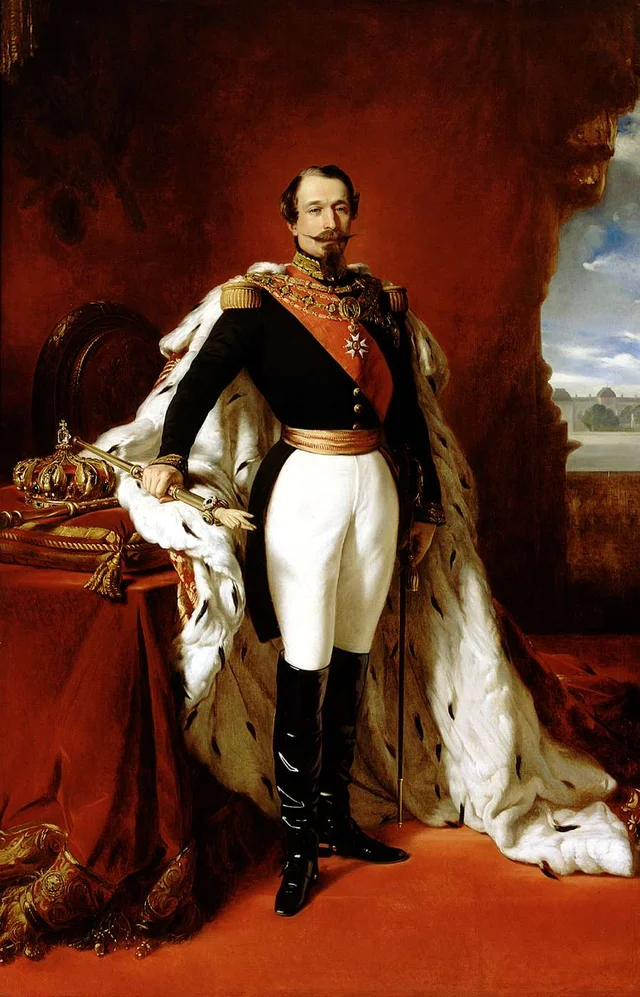
The rooms follow the family through the First Empire, the years of Roman exile and the Second Empire of Napoleon III. There hangs the official portrait of Napoleon III in full dress uniform beside the imperial crown, commissioned from Franz Xaver Winterhalter, the favourite portraitist of Europe's royal courts, soon after the emperor was proclaimed in December 1852, with its companion portrait of Empress Eugénie. Another room holds one of two copies that Jacques-Louis David painted of his double portrait of Joseph Bonaparte's daughters, Zénaïde and Charlotte, reading a letter from their exiled father in Philadelphia. The original is at the Getty Museum in Los Angeles.
The room for Napoleon's sister Pauline, who lived in Rome from 1816 to 1825, keeps her dressing set by the goldsmith Biennais and a plaster cast of her breast linked to Antonio Canova's marble statue of her as Venus, which is across the city in the Galleria Borghese.