The story
The skeleton of Marengo, the grey stallion Napoleon is said to have ridden on many campaigns, stands in the galleries of the National Army Museum in Chelsea. British soldiers took him at Waterloo in 1815 and brought him to England. Close by lies William Siborne's vast model of the Waterloo battlefield, built in the 1830s by a British officer who wrote to surviving officers to get the positions right, and peopled with tens of thousands of tiny figures.
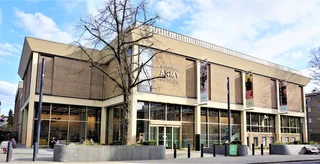
It is primarily a museum of the British Army and the people who served in it, told through uniforms, weapons, medals, letters and personal objects. A royal charter founded it in 1960, and it first opened that year in the old riding school at Sandhurst, the officer academy. In 1971 it moved to a purpose-built home on Royal Hospital Road, next to the Royal Hospital Chelsea, the home for veteran soldiers, and after three years of rebuilding it reopened in March 2017.
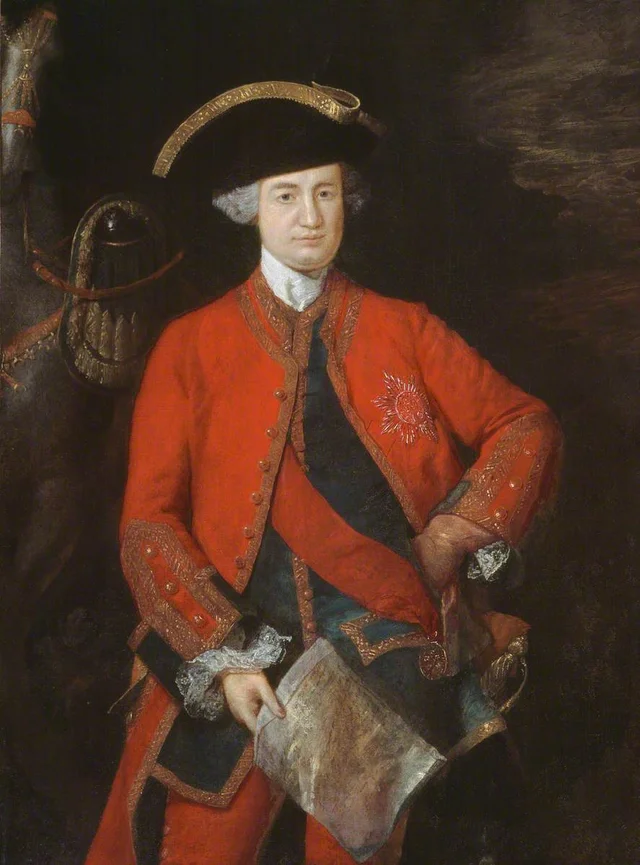
It is also home to 18th-century portraits of commanders by the leading painters of their day, among them Joshua Reynolds's likeness of Field Marshal Jean Louis Ligonier and Thomas Gainsborough's portrait of Robert Clive, the East India Company general, painted in his general officer's uniform.