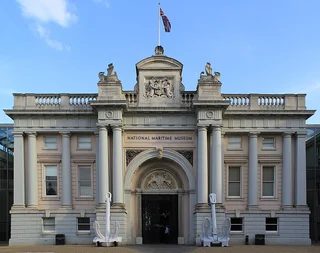
The story
The National Maritime Museum sits in Greenwich, on the Thames downstream of London, in a complex that includes the Queen's House, a white classical villa designed by Inigo Jones in the 1610s and reckoned the first truly classical building in England. It is a museum of the sea, of Britain's ships, navigators and naval wars.
Art-seekers come for two things above all. One is Turner's largest painting, The Battle of Trafalgar, a churning wall-sized picture of Nelson's victory of 1805 that the artist packed with more masts and smoke than any single moment could hold. The other is the Armada Portrait of Elizabeth I, her hand resting on a globe while the Spanish fleet founders behind her.
Beyond them the walls carry sea battles, storms and portraits of admirals, painting collected as record rather than decoration. The Queen's House itself is free to enter, and its Great Hall is a perfect forty-foot cube.
Collection
10 works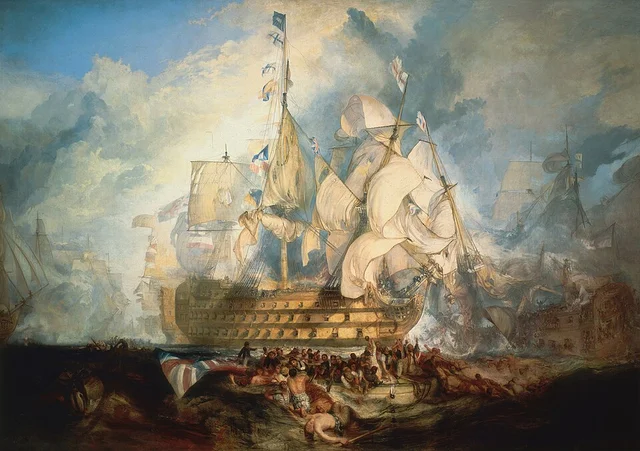 The Battle of TrafalgarJ. M. W. Turner, 1823
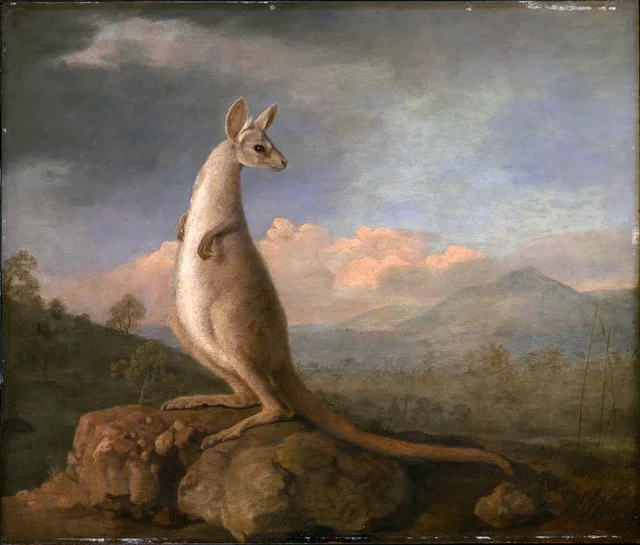 The Kongouro from New HollandGeorge Stubbs, 1772
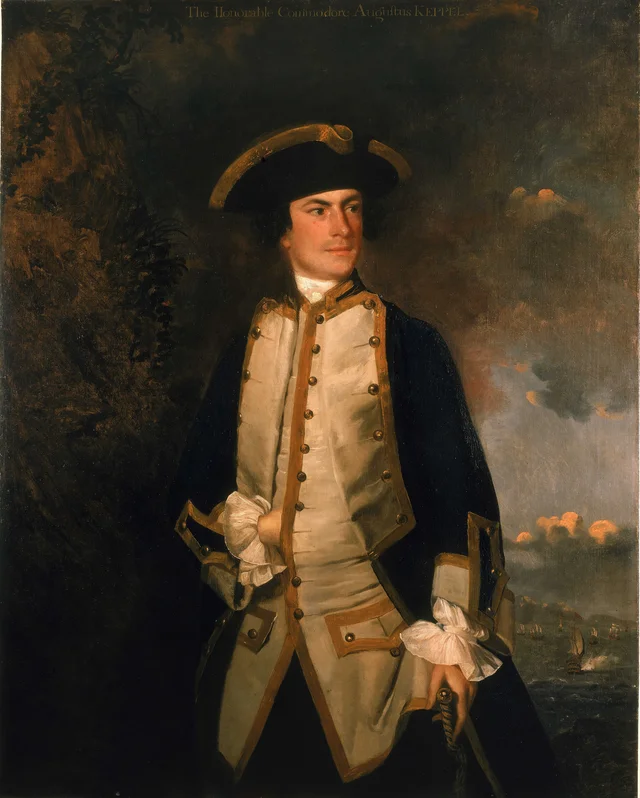 Commodore the Honourable Augustus KeppelJoshua Reynolds, 1749
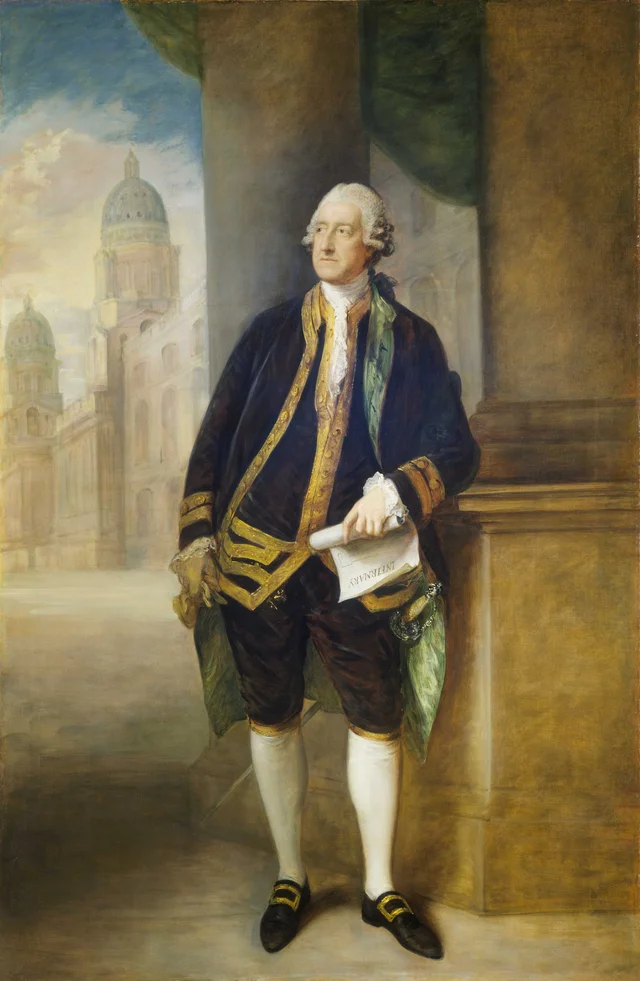 John Montagu, 1718-92, 4th Earl of Sandwich, 1st Lord of the AdmiraltyThomas Gainsborough, 1783
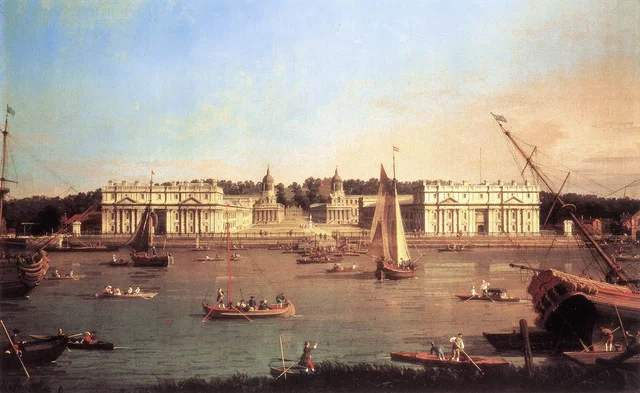 London: Greenwich Hospital from the North Bank of the ThamesCanaletto, 1753
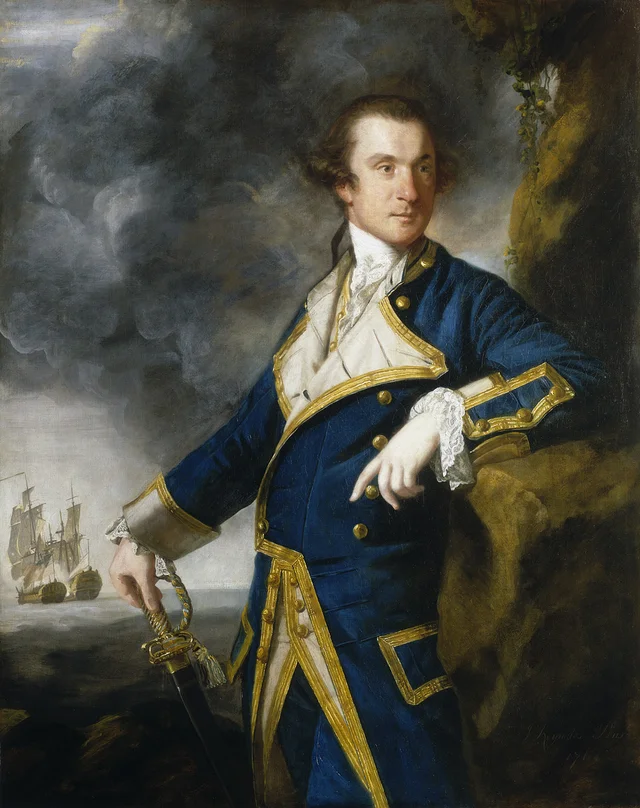 Captain Alexander Hood, 1726-1814Joshua Reynolds, 1763
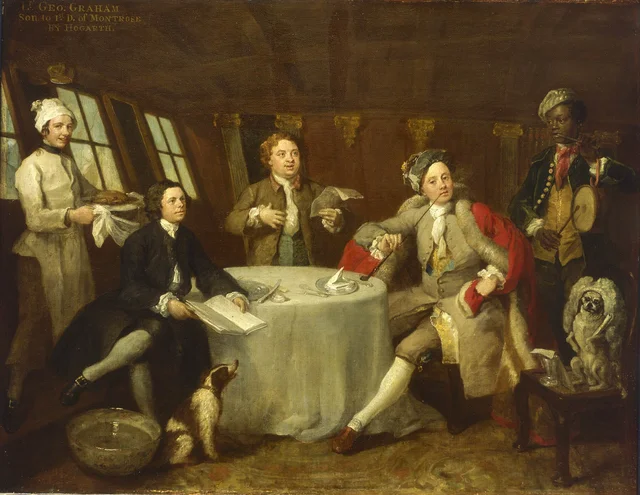 Captain Lord George Graham in his CabinWilliam Hogarth, 1745
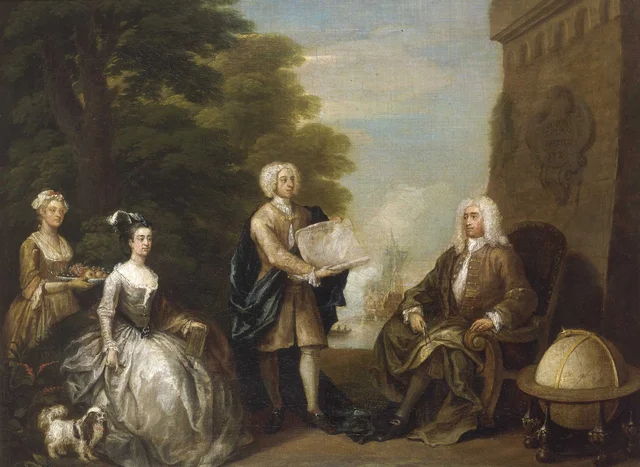 Woodes Rogers and his FamilyWilliam Hogarth, 1729
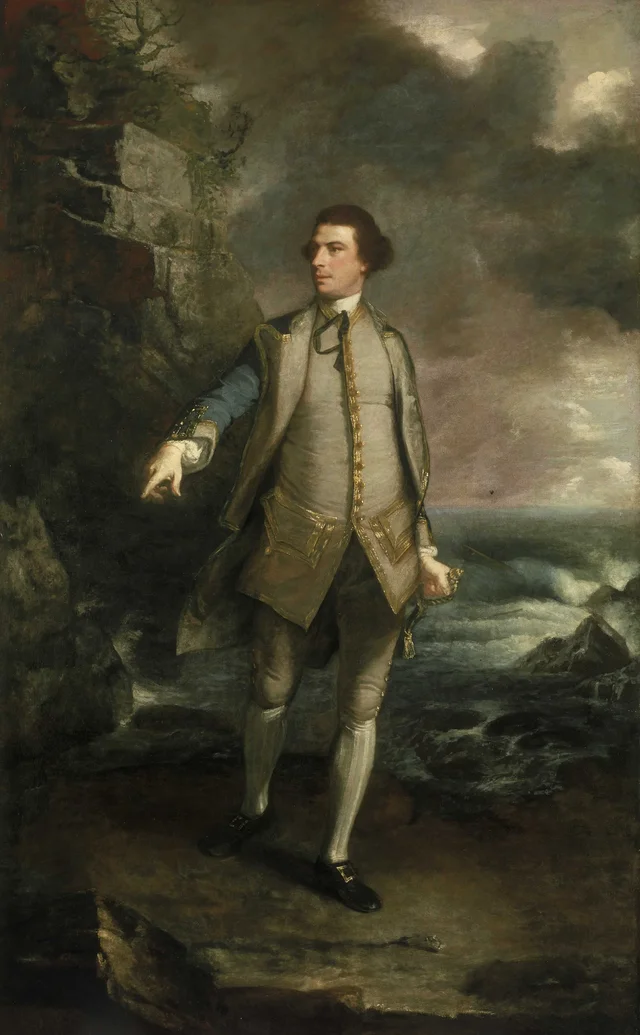 Captain the Honourable Augustus Keppel, 1725-86Joshua Reynolds, 1753
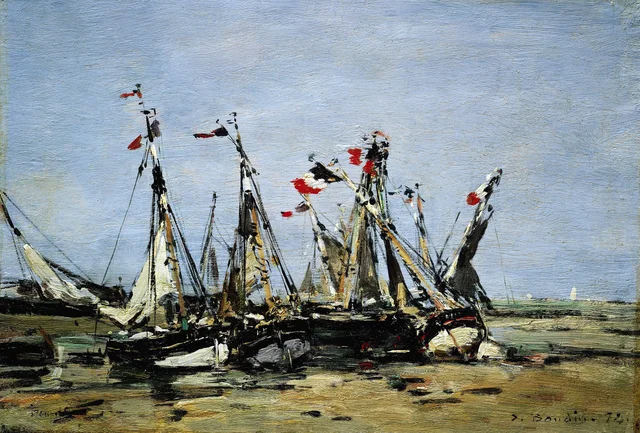 Trouville, awaiting the tideEugène Louis Boudin, 1874