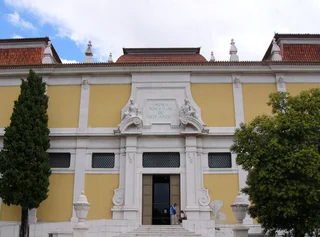
The story
Portugal's national gallery grew out of the convents dissolved in the 1830s, when religious houses were closed and their paintings and gold gathered into state hands. It opened to the public in 1884 in a former palace above the Lisbon riverfront, and is known today as the Museu Nacional de Arte Antiga.
Two works pull visitors in. One is the Saint Vincent Panels, painted around 1470 by Nuno Gonçalves, six crowded panels in which some sixty Portuguese faces, from the king to fishermen, gather around the country's patron saint. The other is Hieronymus Bosch's Temptation of Saint Anthony, a triptych swarming with demons and hybrid creatures, which came from one of those suppressed convents.
Because Lisbon traded early with Asia and Africa, the collection also holds Namban screens showing the arrival of Portuguese ships in Japan, painted by Japanese artists who had never seen a European.
Collection
10 works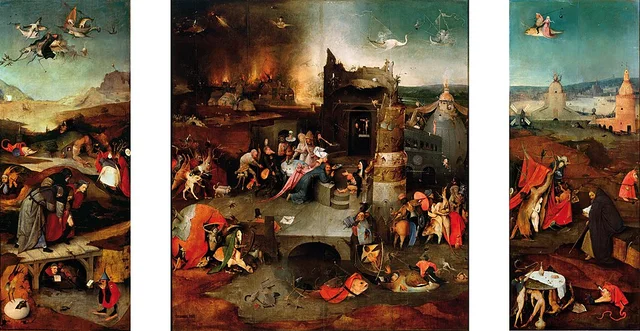 Temptation of Saint AnthonyHieronymus Bosch, 1501
 Saint Jerome in His StudyAlbrecht Dürer, 1521
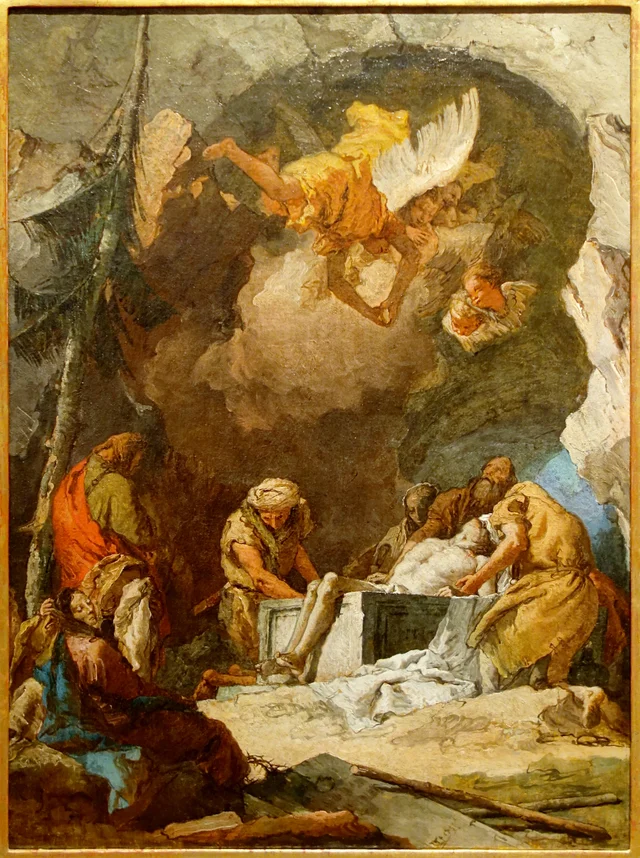 DepositionGiovanni Battista Tiepolo, 1767
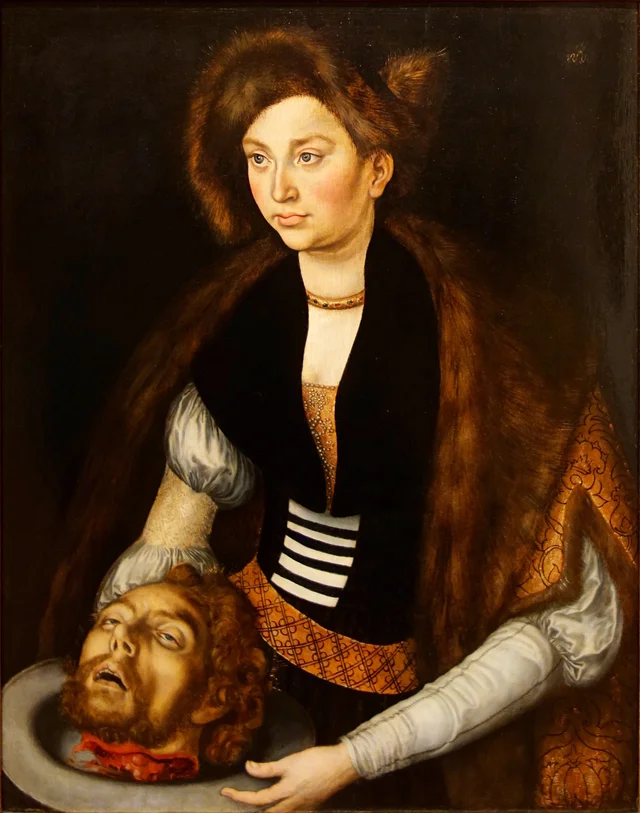 Salome with the head of Saint John the BaptistLucas Cranach the Elder, 1510
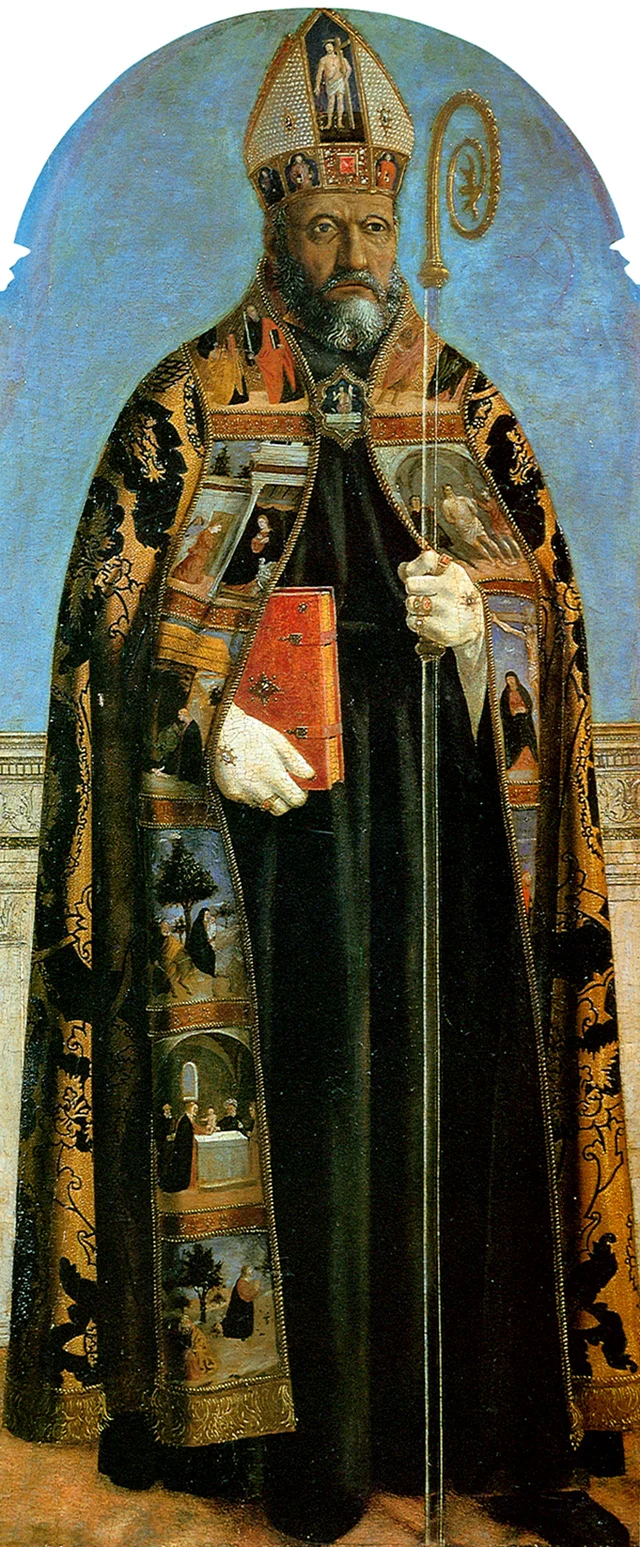 Saint AugustinPiero della Francesca, 1454
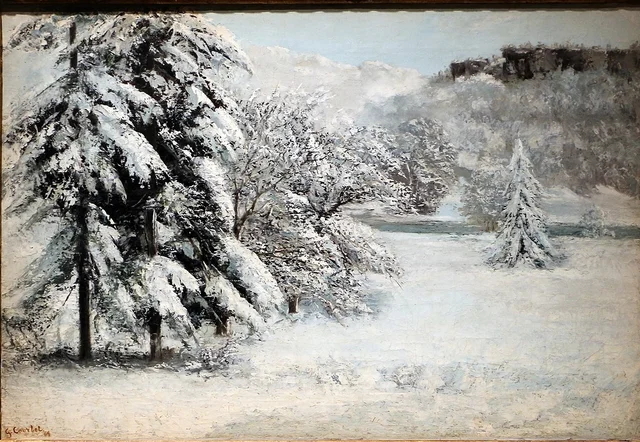 Landscape in WinterGustave Courbet, 1868
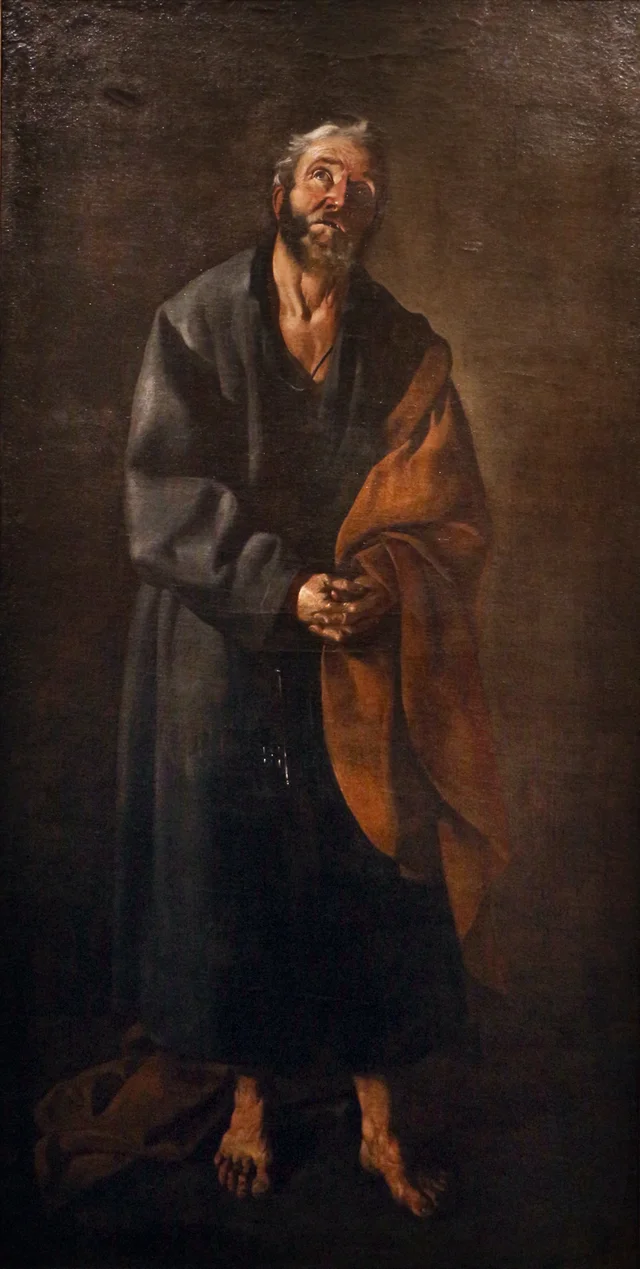 Saint PeterFrancisco de Zurbarán, 1633
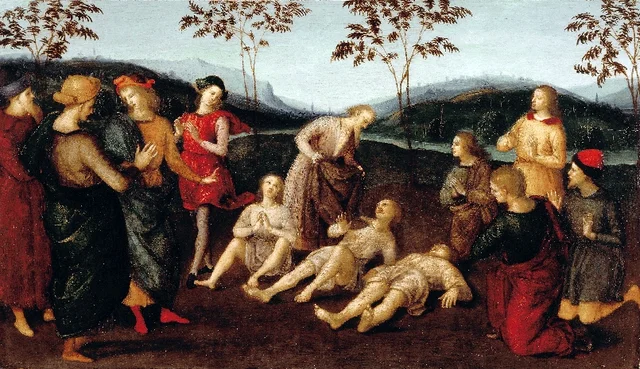 St. Eusebius Resurrecting Three PeopleRaphael, 1502
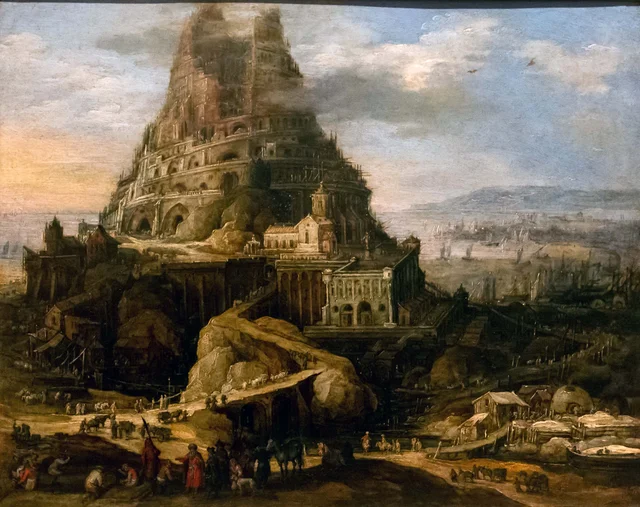 The Tower of BabelJoos de Momper the Younger, 1595
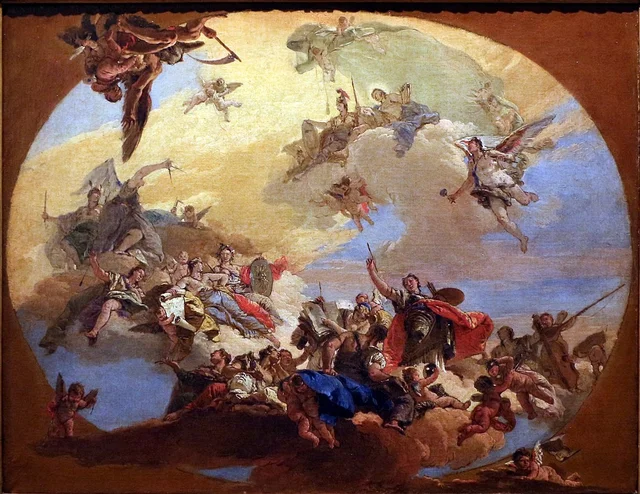 Triumph of the ArtsGiovanni Battista Tiepolo, 1729