The story
In January 2025 the Gemäldegalerie in Berlin opened an exhibition of some 60 paintings from Odesa, many of them in plain new wooden frames because they had travelled without their own. They belong to the Odesa Museum of Western and Eastern Art. Soon after Russia's full-scale invasion in 2022, its staff took the pictures down and hid them in western Ukraine. In July 2023 a Russian missile strike damaged the museum building, and that September 74 works went to Berlin for conservation and safekeeping. Part of the group later moved on to an exhibition in Heidelberg.
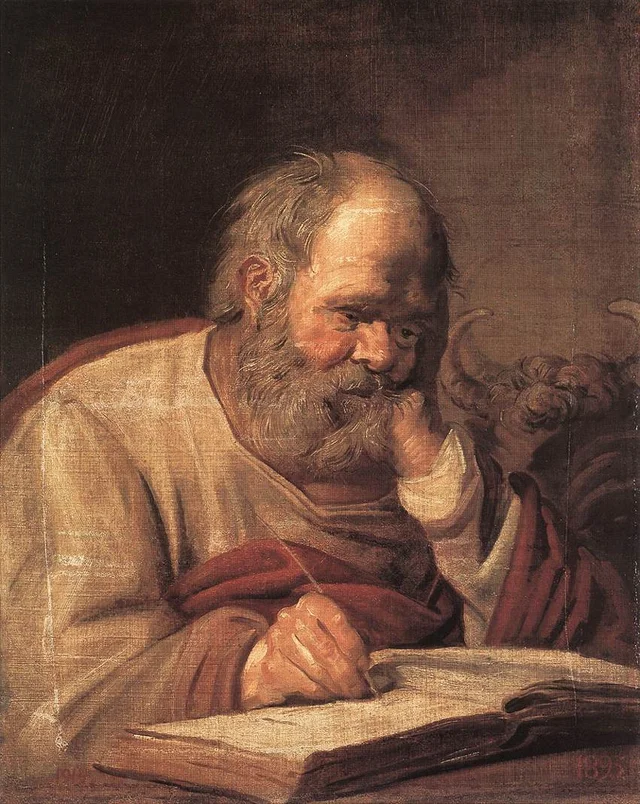
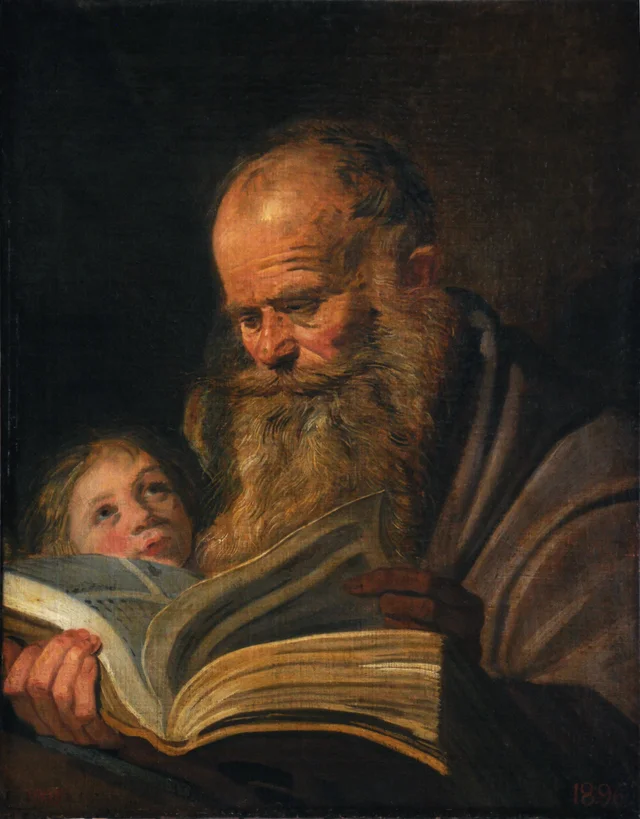
The best-known pictures on that journey were two canvases by Frans Hals, the Haarlem portraitist, showing Saint Luke and Saint Matthew. They come from a set of four Evangelists that Catherine the Great acquired in 1771. Sent south from St Petersburg in 1812, the pair later surfaced in Odesa catalogued as anonymous 19th-century work, until the Hermitage curator Irina Linnik recognised them as Hals in 1958. That find led to the other two Evangelists being traced.
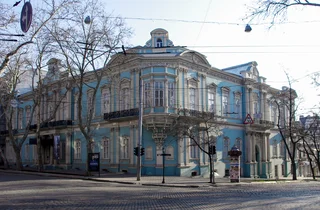
At home the museum occupies a palace built in the 1850s in Odesa's old town, with European painting from the Renaissance onwards in some rooms and Chinese, Japanese and Indian art in others. Before the war its most famous episode was a theft. In 2008 thieves cut its Taking of Christ, a version of a Caravaggio composition whose authorship scholars still debate, out of the frame, and police recovered it in Berlin in 2010.