The story
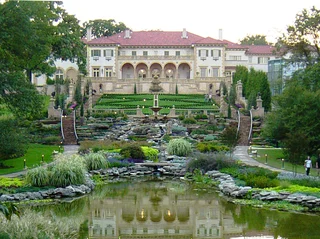
Philbrook was built as a home. In 1926 the Oklahoma oilman Waite Phillips and his wife Genevieve commissioned Edward Buehler Delk, a Kansas City architect, to design an Italian-style villa in Tulsa. Villa Philbrook was finished the following year, with 72 rooms on 23 acres, and its formal gardens were modelled on Villa Lante, a 16th-century Renaissance estate north of Rome.
The family did not stay long. In 1938 the Phillipses gave the house and grounds to the city for cultural use, and Philbrook opened as a museum in October 1939. Visitors still move through what were once living rooms, while a large wing added in 1990 holds much of the gallery space. The gardens, renewed in 2004 with native Oklahoma plants, are part of the visit.
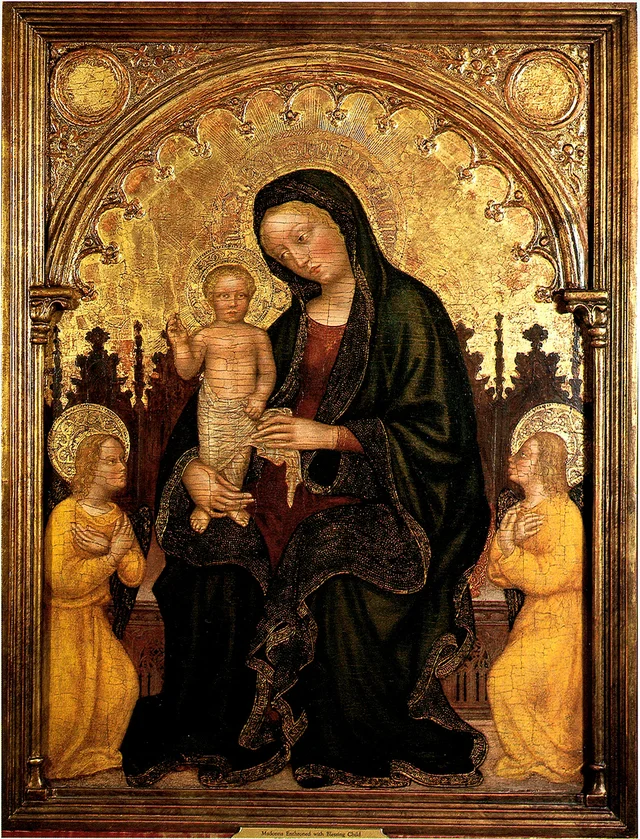
Native American art has been a cornerstone of the collection, with pottery, basketry and jewellery, including work by the Pueblo potter Maria Martinez. In 1961 the Samuel H. Kress Foundation gave Italian Renaissance and Baroque paintings, among them an Enthroned Madonna and Child with Two Angels by Gentile da Fabriano, painted around 1410. It had briefly belonged to the National Gallery of Art in Washington before the foundation sent it to Tulsa.
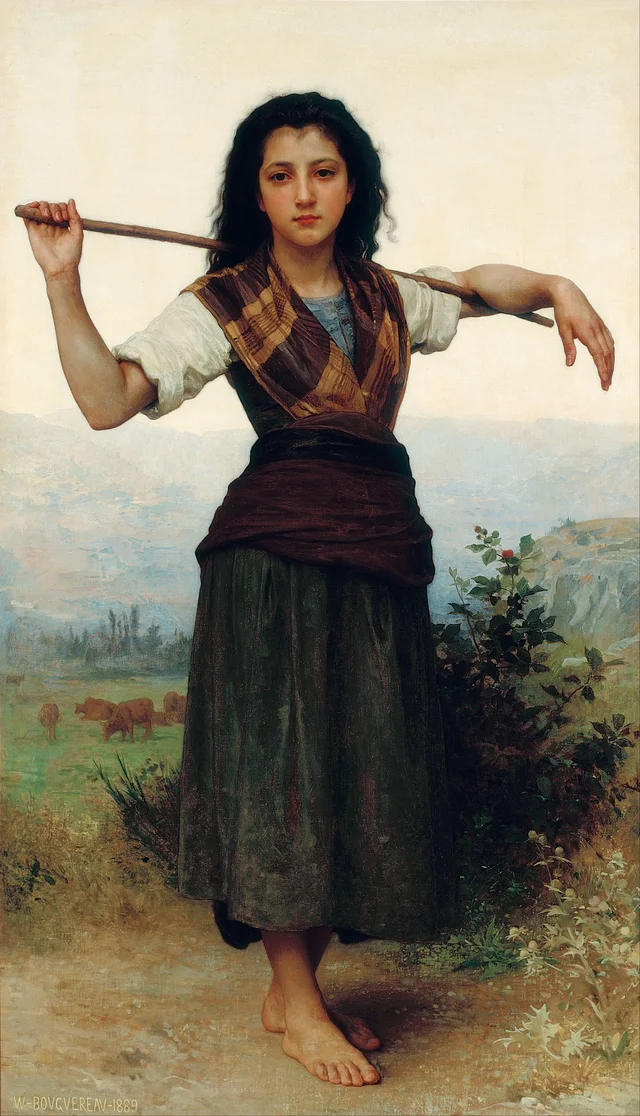
The museum's signature image is French. The Shepherdess by William-Adolphe Bouguereau, the Paris Salon painter, dated 1889, shows a young peasant woman standing barefoot in the foreground, a stick balanced across her shoulders, with oxen grazing behind her.