The story
In the archaeological rooms of Palazzo Farnese lies a bronze model of a sheep's liver, small enough to rest in one hand. A farmer turned it up in a field near Gossolengo, outside Piacenza, in 1877. It is Etruscan, from around the late 2nd century BC, and its surface is divided into compartments engraved with about 40 inscriptions, many of them names of gods. Priests who read the future in the livers of sacrificed animals seem to have used it as a guide.
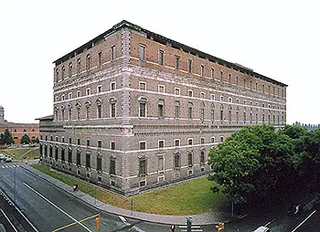
The palace that holds it was itself never finished. Work began in 1558 for Margaret of Austria, daughter of the emperor Charles V and wife of Duke Ottavio Farnese, and the architect Jacopo Barozzi da Vignola took charge the following year. The great brick block you see is only part of what was planned.
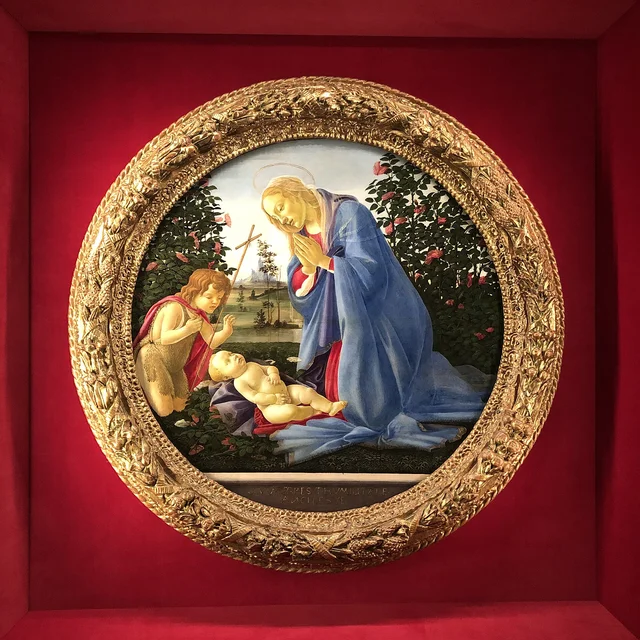
Today its rooms house the city's civic museums, with a picture gallery, a carriage museum and a museum of the Risorgimento, Italy's 19th-century unification. Upstairs in the gallery hangs a round painting by Sandro Botticelli, the Florentine master, showing the Madonna adoring the Christ Child with the young Saint John the Baptist.