The story
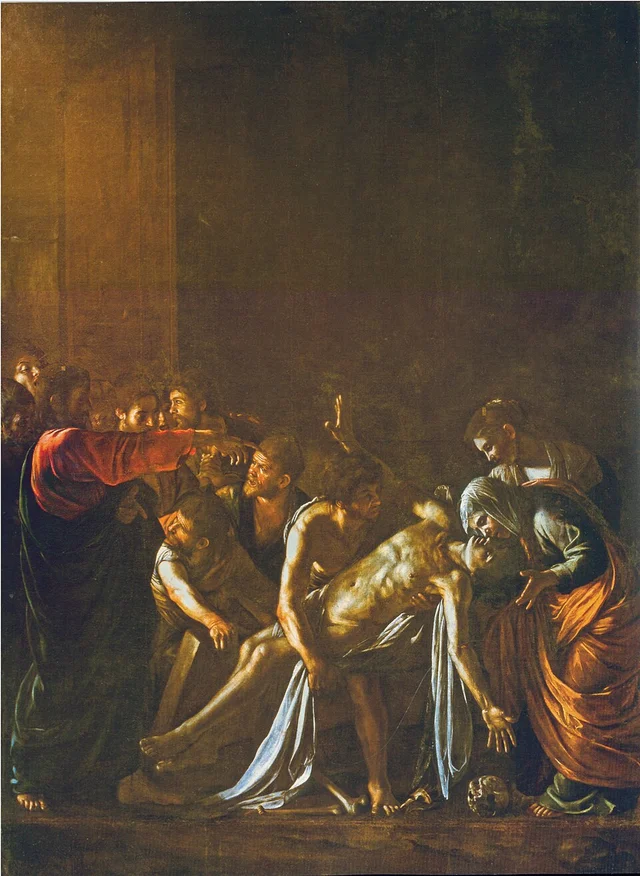
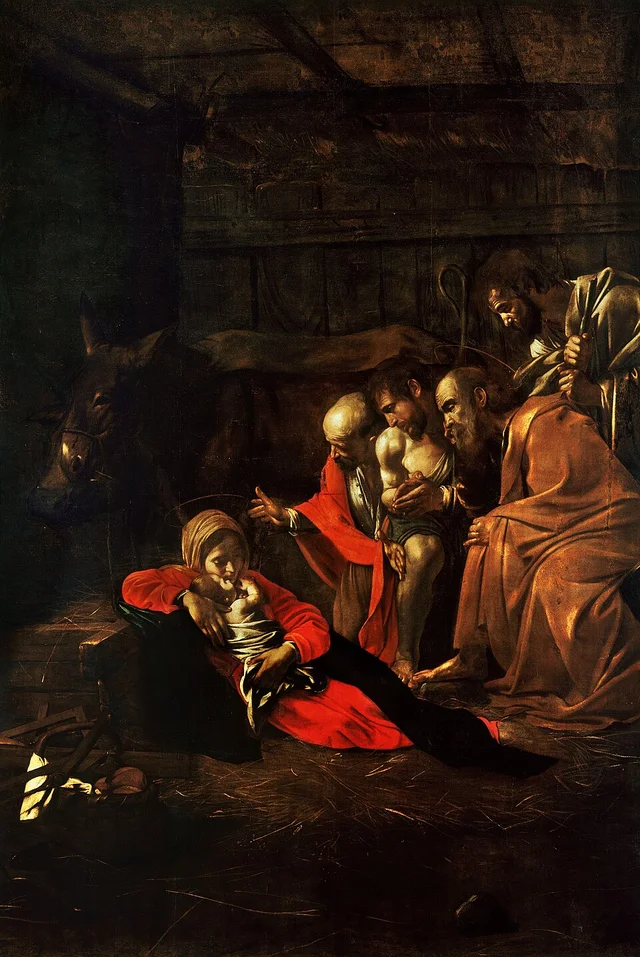
In 1609 Caravaggio was in Messina as a fugitive. He had escaped from prison in Malta the year before, and within months this Sicilian port city gave him two large commissions. Both canvases hang in this museum. The Raising of Lazarus was paid for by a Genoese merchant, Giovanni Battista de' Lazzari, for his family chapel, the saint's name echoing his own. The Adoration of the Shepherds was ordered by the city Senate for the Capuchin friars, with Mary lying on the straw of a bare stable.
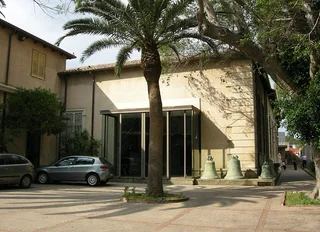
That these pictures survive at all goes back to 1908. On 28 December an earthquake and tsunami flattened Messina, and over the next years paintings and sculptures were pulled from the rubble of its churches. They were gathered in a former silk mill, which opened as the museum in 1922. Since 2017 the collection has filled a new building nearby, and the museum is now known as MuMe.
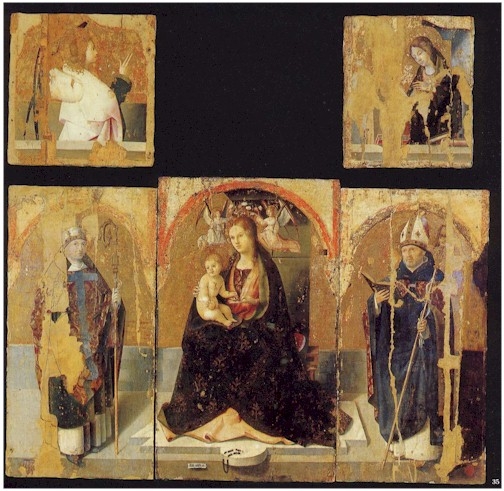
Its other treasure is by the city's own painter, Antonello da Messina. His polyptych of 1473, made for the convent of San Gregorio, lost much of the Virgin's mantle when the 1908 quake left it exposed to rain. On 15 August 2026, during the city's Assumption procession, thieves broke into the galleries and took its panels along with a small double-sided Madonna by Antonello. The panels of Saint Gregory and Saint Benedict were found dumped by the museum fence a few hours later. As of autumn 2026, the other three and the double-sided panel were still missing.